




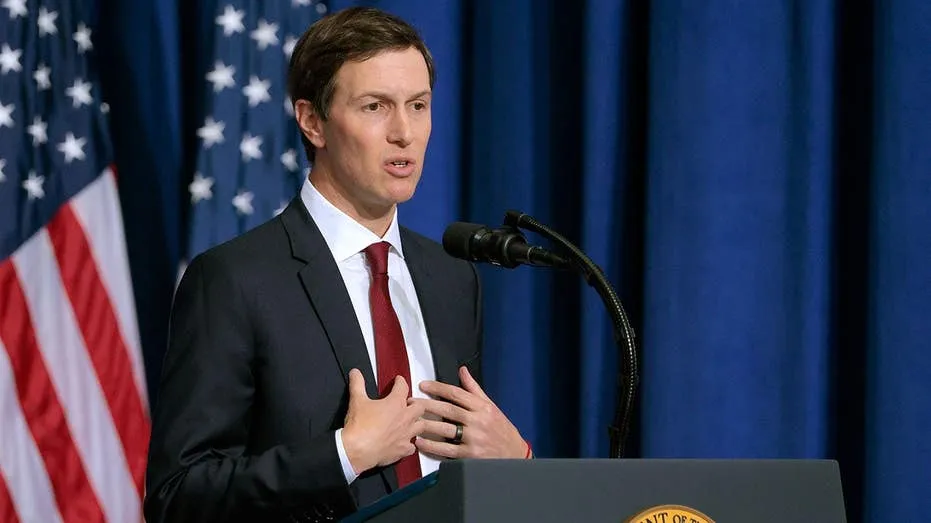
Senior advisor Jared Kushner has asserted that communication channels between the United States and Iran are more active than at any prior point, even as Tehran has refuted claims of a direct, secret line of communication between President Donald Trump and Iran’s Islamic Revolutionary Guard Corps (IRGC). Kushner’s remarks came during an interview following a series of Middle Eastern diplomatic engagements focused on the future of Gaza and Iran.
Robust Communications and Persistent Roadblocks
Kushner underscored President Trump’s persistent desire to forge a deal with Iran, but acknowledged significant obstacles remain. He suggested that Iranian officials have not yet approached negotiations with sufficient seriousness, alleging attempts to mislead the U.S. through superficial concessions and by withholding crucial information. The exact nature and participants of the alleged backchannel with the IRGC remain indistinct. The IRGC, known for its hardline stance within the Iranian government, has a history of disrupting negotiations, including through actions like attacks on vessels in the Strait of Hormuz.
Historically, discussions have involved members of Iran’s civilian administration, such as Foreign Minister Abbas Araghchi and representatives of President Masoud Pezeshkian. However, indications from within Iran suggest the IRGC wields considerable influence, potentially complicating diplomatic efforts. Earlier this year, Secretary of State Marco Rubio commented on this dynamic, noting the protracted process involved in securing approvals for concessions from Iranian negotiators. He described a system where responses could take days as proposals navigate through various levels of government, ultimately requiring approval from the supreme leader.
Economic Potential vs. Regional Instability
Kushner reiterated that Trump is amenable to an economic agreement that could foster Iran’s prosperity, provided the nation abandons its pursuit of nuclear weapons. “They have to want to be a real country,” Kushner stated. He highlighted Iran’s potential for wealth and development, citing its “incredible people” and “incredible history.” He urged Iran to focus on realizing this potential rather than engaging in activities that spread revolution and destabilize the region and the world.
However, the prospect of a deal appeared distant as of Tuesday, with the Memorandum of Understanding between the U.S. and Iran having expired. Adding to the tensions, Iran has continued its maritime activities in the Strait of Hormuz, and officials have reportedly issued threats against President Trump’s life.
Abraham Accords and Future Diplomacy
Kushner referenced the ongoing efforts to expand the Abraham Accords as a potential pathway toward lasting regional change. He indicated that the administration remains committed to this initiative, engaging in active discussions with various countries. Kushner expressed optimism that progress on the Gaza situation could help de-escalate regional tensions. He also suggested that more substantive talks with Iran might be deferred until after upcoming Israeli elections, indicating a strategic patience in the diplomatic process.
“I think, as we said, we continue to have communications, and when the deal is ready, the deal will be ready. Deals are hard. I mean, it’s funny, President Trump is always aiming for the impossible deals,” Kushner remarked, underscoring the challenging nature of the negotiations.
The situation underscores a complex dynamic where diplomatic overtures are met with denials and continued regional provocations. While the U.S. maintains that lines of communication remain open and robust, the path toward any concrete agreement is fraught with challenges, including internal power structures within Iran and ongoing security concerns in the Middle East.


