




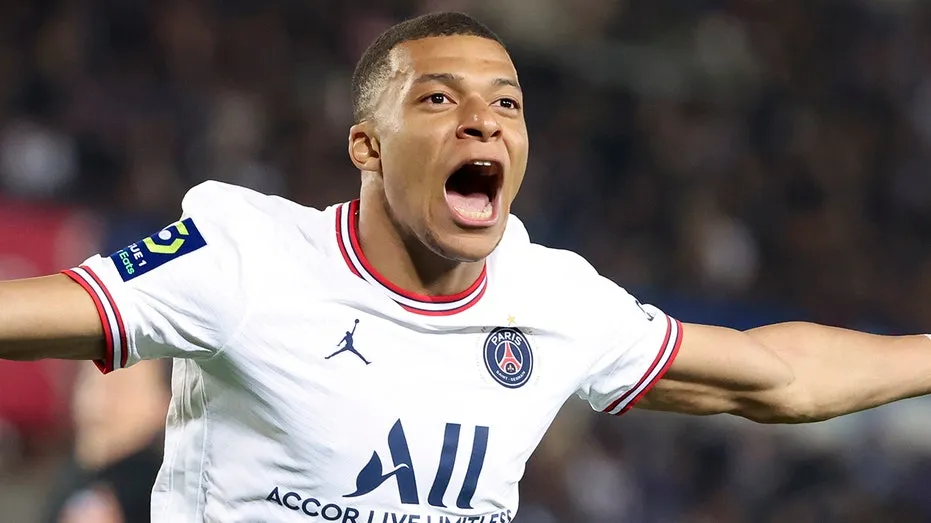
Global football icon Kylian Mbappé has publicly denounced a Paraguayan senator for what he described as “despicable” and “brazen” racist remarks made following France’s victory over Paraguay in a recent World Cup match. The controversy erupted after Senator Celeste Amarilla, a member of Paraguay’s Liberal Radical Party, posted a series of offensive comments about the French star on social media.
The Incident and Social Media Firestorm
The friction began on July 4th in Philadelphia, where Mbappé scored a crucial 70th-minute penalty, securing a 1-0 win for France against Paraguay. A photograph capturing the moment of celebration, with Mbappé in front of Paraguayan goalkeeper Orlando Gill, quickly circulated online. It was in the wake of this image that Senator Amarilla launched her tirade.
On the social media platform X, formerly known as Twitter, Amarilla reportedly referred to Mbappé as a “brute.” She made disparaging claims about his upbringing, suggesting he consumed “coconuts” instead of milk and that the most intelligent creatures he knew were chimpanzees. Adding to the vitriol, she suggested Gill should have reacted disrespectfully to Mbappé, noting that she herself engages in similar behavior in the Paraguayan senate without consequence.
Further comments surfaced on Instagram, where Amarilla allegedly labeled Mbappé a “colonized Cameroonian pretending to be French.” She characterized him with negative traits such as resentment, newfound wealth, arrogance, and unattractiveness. Amarilla also expressed disappointment that Paraguayan players did not physically confront Mbappé after the match.
Mbappé’s Powerful Rebuttal
Mbappé, known for his composure both on and off the field, did not let the remarks slide. He responded on X, directly addressing Senator Amarilla. He unequivocally called her a “despicable woman” and stated she was unfit for her public office. Mbappé passionately defended the Paraguayan national team, emphasizing their display of “passion and honor” throughout the competition.
The French superstar argued that Amarilla’s “recklessness and brazen racism” had overshadowed Paraguay’s commendable World Cup performance. He accused her of presenting the worst possible image of her country and being an “incompetent woman.” Mbappé vowed that individuals like her would not be allowed to propagate hatred unchecked, signaling a firm stance against such discriminatory language.
Official Condemnation and Legal Action
The French Football Federation swiftly condemned Senator Amarilla’s statements. Federation President Philippe Diallo described the comments as “vile, criminal and reprehensible.” The organization affirmed its complete support for its captain and announced that it had lodged a formal complaint with prosecutors. The federation is seeking a hate crime investigation into Amarilla’s social media posts, underscoring the seriousness with which the incident is being treated by official sporting bodies.
Broader Implications and Context
This incident highlights the persistent issue of racism in sports and the powerful platform that social media provides for both connection and controversy. Mbappé, a prominent figure of Cameroonian descent who represents France, has often been a target of racist abuse. His response, however, not only defended himself but also championed the integrity of the Paraguayan team and condemned the senator’s divisive rhetoric.
The senator’s remarks have drawn widespread criticism, not just from the French Football Federation but also from football fans and observers globally who advocate for respect and inclusivity in sports. The case raises questions about accountability for public figures who use their platforms to spread hate speech, particularly when targeting individuals based on their race or origin.
Looking Ahead
As the French Football Federation pursues legal action, the outcome of the hate crime investigation will be closely watched. This situation serves as a stark reminder of the ongoing battle against racism and the importance of using one’s voice responsibly, especially for those in positions of public trust. Mbappé’s firm response underscores the growing expectation for athletes and public figures to speak out against prejudice wherever it appears.


