




The recent apology from ESPN’s Stephen A. Smith to Dallas Mavericks star Kyrie Irving for his stance on COVID-19 vaccination during the pandemic has sparked a conversation about accountability in sports media. Smith’s acknowledgment of Irving’s situation, which led to significant financial losses for the player, has been seen by some as a rare moment of media introspection. This has prompted a look at other athletes who, like Irving, faced intense media scrutiny and criticism for their personal health decisions during the highly polarized COVID-19 era, and who may also be deserving of similar retractions.
Novak Djokovic: A Tennis Icon Under Fire
Few athletes became as central to the vaccine debate as tennis legend Novak Djokovic. While consistently asserting his right to medical autonomy and freedom of choice, rather than being outright “anti-vaccine,” Djokovic found himself portrayed by much of the media as a pariah. He famously stated in 2020, “I am opposed to vaccination if someone is forcing me to take a vaccine in order to travel.” Following his deportation from Australia before the 2022 Australian Open, he reiterated his position: “I was never against vaccination, but I’ve always supported the freedom to choose what you put in your body.”
Despite these clarifications, publications like “Time” magazine ran headlines such as “Why Australians Are Furious About Anti-Vaxxer Novak Djokovic,” suggesting the entire controversy could have been avoided had he simply been vaccinated. “Vanity Fair” and “Axios” also published pieces framing the situation negatively. The consequences were severe; Djokovic was barred from the Australian Open and, due to U.S. travel restrictions, missed major tournaments like Indian Wells, the Miami Open, and the 2022 U.S. Open. These professional and financial setbacks, potentially costing him millions and impacting his career record, have yet to be met with a widespread apology from the tennis and mainstream media that once condemned him.
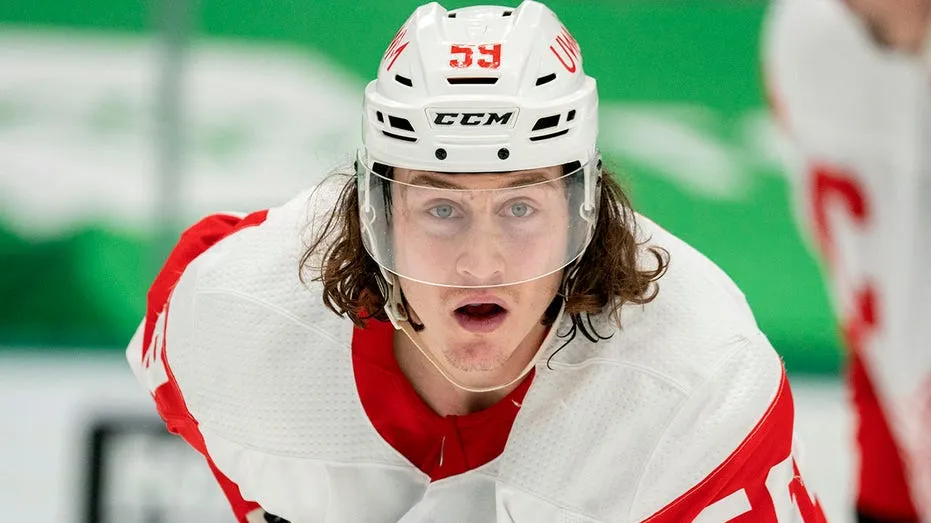
Tyler Bertuzzi: A Canadian Hockey Player’s Stand
In the NHL, then-Detroit Red Wings forward Tyler Bertuzzi stood out as one of the few unvaccinated players. While many eventually complied with mandates or policies, Bertuzzi maintained his position, stating, “It’s a personal choice, freedom of choice, and life choice.” His Canadian nationality added a significant layer to his situation, as Canada’s border policies at the time prevented unvaccinated foreign nationals from entering the country. Consequently, Bertuzzi missed all regular-season games played in Canada during the 2021-22 season, forfeiting the salary for those games. This decision reportedly cost him around half a million dollars.
Despite the NHL not mandating vaccines, Bertuzzi faced media criticism, with some outlets labeling his decision as “short-sighted and selfish.” To date, the hockey media landscape has largely remained silent, offering no public apologies for the way Bertuzzi was characterized during that period.
Cole Beasley: The Vocal NFL Critic
Former Buffalo Bills wide receiver Cole Beasley became one of the NFL’s most vocal critics of vaccine mandates, alongside figures like Aaron Rodgers. Unlike many peers who kept their vaccination status private, Beasley openly questioned league policies and championed the right to personal medical decision-making. His public statements, such as “I’ll be out in public. If you’re scared of me, then steer clear,” and “I’ll live my one life like I want to,” attracted considerable media attention.
Outlets frequently covered Beasley’s comments, with some criticizing his stance or arguing he sent a detrimental message to fans. While the NFL didn’t mandate vaccines, it imposed stricter protocols for unvaccinated players, including daily testing, masking, travel restrictions, and quarantine after exposure. Beasley pointed out perceived double standards, noting after he was held out for testing positive, “vaxxed players are playing with COVID every week now because they (NFL) don’t test.” He argued these protocols created undue pressure to get vaccinated. Despite his outspokenness and the challenges he faced, no prominent media member or outlet has issued an apology to Beasley.
Jonathan Isaac: An NBA Voice for Individual Choice
Orlando Magic forward Jonathan Isaac emerged as a prominent voice advocating for individual choice in the NBA, particularly after becoming a focal point for his decision not to kneel during the national anthem. At the NBA’s 2021 Media Day, Isaac clarified his position: “I am not anti-vax. I’m not anti-medicine.” He further explained his perspective, stating, “I don’t think being unvaccinated means infected or infectious,” and noted his belief in natural immunity after recovering from COVID-19. His press conference garnered significant attention, with many critics in the media labeling him “anti-science,” “selfish,” and a purveyor of “right-wing propaganda.”
Publications like “Rolling Stone,” which had previously characterized Kyrie Irving as a conspiracy theorist, also targeted Isaac. A “Rolling Stone” report suggested Isaac refused the vaccine after watching then-President Trump’s press conferences, a claim Isaac strongly refuted, stating he was “badly misrepresented.” While the NBA itself did not implement a league-wide vaccine mandate, local government regulations, such as New York City’s requirement, impacted players like Kyrie Irving. Isaac, playing in Florida where no such local mandate existed, was not barred from playing due to his vaccination status, though he remained subject to NBA protocols for unvaccinated individuals. Despite not facing the same financial penalties as Irving, Isaac endured considerable media criticism for his vocal stance, and like the others, has yet to receive a public apology.
Media Accountability and Lingering Questions
These athletes—Djokovic, Bertuzzi, Beasley, and Isaac—each became subjects of intense public debate and significant media criticism. Many faced substantial financial losses or professional hurdles due to their adherence to personal health choices, which they consistently framed as matters of individual liberty. Their experiences highlight the complex intersection of sports, public health, politics, and personal freedom during a uniquely divisive period.
While Stephen A. Smith’s apology to Kyrie Irving represents a step toward acknowledging the pressures and consequences faced by these athletes, it remains an outlier. The broader media landscape has largely moved on without offering similar retractions or acknowledging the potential mischaracterizations and harsh judgments levied against athletes who prioritized personal choice during the pandemic. The hope for widespread media accountability persists, though expectations remain tempered.


