




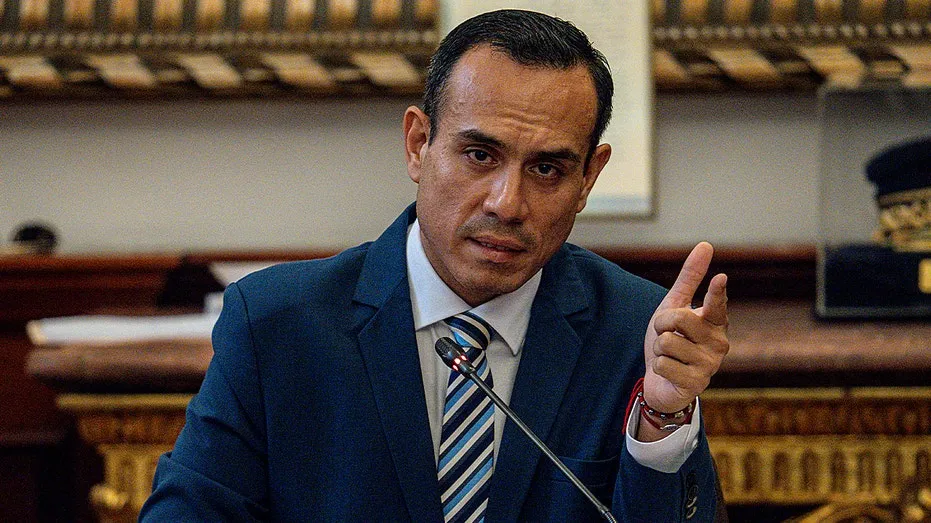
Latin America is experiencing a significant political realignment, with a discernible shift towards right-wing, center-right, and security-focused governments across the region. This transformation is reshaping the political landscape, influencing the United States’ strategic posture in its neighboring hemisphere. Countries like Argentina, Chile, Paraguay, Peru, Colombia, Honduras, El Salvador, Ecuador, and the Dominican Republic now find themselves under leadership broadly aligned with Washington’s evolving strategic priorities. While Mexico, Brazil, and Uruguay, among a few others, currently stand apart from this trend, the broader movement towards the right is undeniable. Meanwhile, Cuba and Nicaragua remain entrenched authoritarian states, and Venezuela serves as a stark cautionary tale of left-wing regimes losing both public trust and external support.
The Receding Pink Tide and the Rise of Security Politics
The era often referred to as the “pink tide,” characterized by a wave of left-leaning governments, appears to have receded. In its wake, a more assertive, security-driven right has emerged. This shift is not merely about electoral victories; it’s about understanding the underlying reasons for this change. A key factor has been the United States’ recalibrated approach to Latin America, moving from diplomatic engagement to a more forceful stance, amplified by actions concerning Cuba and the Iran war. This demonstrated that hostile regimes could indeed face pressure, destabilization, or even removal, utilizing a combination of economic leverage, sanctions, and military influence. This strategic pivot signaled that the hemisphere would be treated less as a secondary concern and more as a critical security perimeter.
This evolving dynamic altered the political calculations for leaders, voters, business communities, and security forces throughout the region. The fall of Nicolás Maduro’s government in Venezuela, the fuel crisis in Cuba, and the Iran war’s impact on global energy prices and shipping routes all contributed to this seismic shift. These interconnected events reshaped electoral priorities, pushing issues like energy security and economic stability to the forefront from Chile to Colombia. The cumulative effect was a rewriting of the incentives and perceived risks for all actors within the hemisphere.
Beyond Ideology: A Revolt Against Vulnerability
The current rightward movement in Latin America is not a traditional conservative resurgence focused solely on market economics or tax cuts. Instead, it appears to be a potent revolt against perceived state vulnerability. Voters, it seems, are increasingly prioritizing security and stability over ideological purity. When citizens feel that the state is unable to protect their families, businesses, daily commutes, borders, or future prospects, they tend to abandon abstract ideals in favor of decisive action and perceived strength. This sentiment fuels a demand for leaders who project an image of control and a willingness to employ force.
The new right understands this deeply. Their campaigns often center on “punishment” – addressing the perceived humiliation of the state by gangs, cartels, corrupt elites, and ineffective governance. The message is that the state must be reasserted, not through lengthy reforms, but through decisive, often forceful, action. This has led to the rise of “Bukele-style” politics, named after El Salvador’s president, Nayib Bukele, whose approach to security has become a prominent export across the hemisphere. Bukele’s strategy, characterized by emergency powers, mass arrests, and a visible military presence, has been presented as a spectacle of state authority triumphing over criminal elements. While the methods are controversial and potentially dangerous, their appeal is undeniable in societies grappling with pervasive extortion, violence, and impunity. This approach offers a visual representation of competence and decisive leadership, resonating with electorates weary of institutional paralysis.
The Spread of Security-First Governance
The “visual grammar of power” pioneered by leaders like Bukele is now influencing politics elsewhere. In Colombia, figures like Abelardo de la Espriella gained traction amid legislative gridlock, challenges in implementing peace policies, rural violence, and corruption allegations. His appeal was rooted in a perceived ruthlessness and a willingness to act decisively where institutions had faltered. This rise was further accelerated by the regional context, particularly Washington’s demonstrated willingness to exert pressure on anti-U.S. regimes and its increased focus on the hemisphere as a security zone. De la Espriella’s hardline, pro-U.S. stance resonated within this new geopolitical framework.
Similarly, in Peru, Keiko Fujimori’s electoral success was propelled by a nation disillusioned by political instability, recurring crises, and rising crime rates. Her advantage lay not in ideological novelty but in a familiar security-first platform, offered within a system that voters had lost faith in. These victories, in both Colombia and Peru, were not overwhelming mandates but razor-thin wins in deeply divided societies. They reflect not consensus, but a profound institutional fracture, with voters seeking order amidst perceived drift. While factors like crime, weak economic growth, and institutional failures fueled this demand, the United States’ strategic reorientation provided a geopolitical structure to the shift.
A New Geopolitical Calculus
The United States is now viewing Latin America through the lens of a security zone rather than solely as a development or diplomatic challenge. Issues such as drug cartels, migration, Chinese infrastructure investments, energy security, and the influence of authoritarian regimes are increasingly seen as interconnected components of a broader contest for power in America’s immediate neighborhood. This perspective makes alignment with Washington more strategically valuable.
Governments that align with the U.S. may find themselves with greater access to support, signaling seriousness and stability to investors and security forces alike. For voters, such alignment can represent a rejection of influence from capitals like Havana, Caracas, or Beijing. Furthermore, in an era of potential energy shocks and geopolitical instability, proximity to American power offers a perceived advantage in managing these disruptions. The U.S.’s “maximum pressure” approach towards certain regimes makes alignment more attractive and isolation more costly, positioning the right as the seemingly more pragmatic choice for external backing.
Governing in the New Era
The stakes for the United States are considerable. A more aligned Latin America could enhance cooperation on counternarcotics, mitigate migration pressures, counter Chinese influence, and restore American leverage in a region that has been historically neglected. However, the challenge lies in distinguishing between a hemisphere of U.S.-aligned strongmen and one composed of robust democratic partners. The true test for Latin America’s new right-wing governments will be their ability to move beyond the performance of power and focus on strengthening institutions. This means reinforcing police, judicial systems, prosecutorial offices, correctional facilities, and border controls to ensure that the law is credible and applied consistently, not merely a tool of a single leader. While forceful measures might produce temporary order and instill fear, the lasting legacy will depend on whether these governments build resilient institutions or leave behind systems overly dependent on the charisma and authority of one individual.
These leaders have correctly identified the public’s demand for order, the exhaustion with the previous political order, and the strategic importance of aligning with a United States that is once again prioritizing the hemisphere. The critical question now is whether they can translate this understanding into effective, sustainable governance that strengthens their nations for the long term.


