




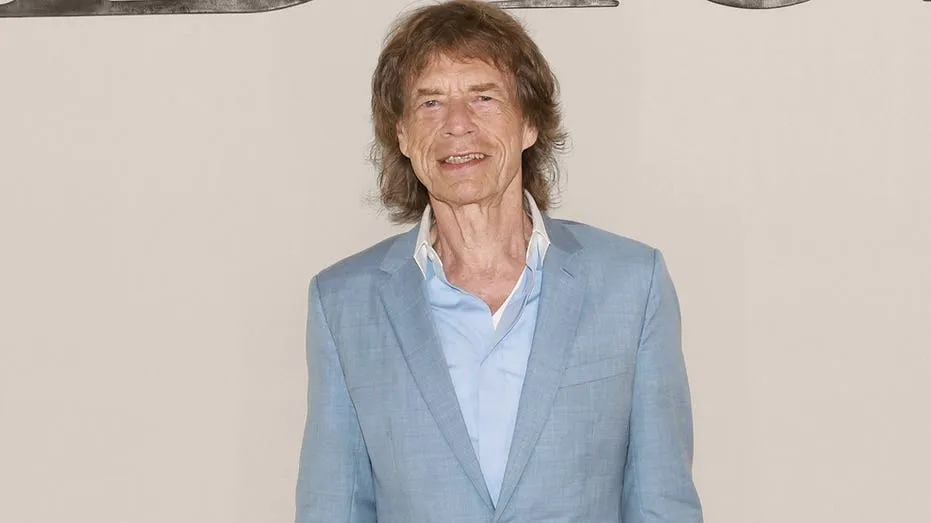
Mick Jagger, the enduring frontman of The Rolling Stones, has shared his philosophy on his role as a performer, emphasizing that his primary objective is to provide an escape and ensure his audience has an unforgettable experience. At 82 years old, Jagger believes his duty on stage is not to impart lessons or deliver political sermons, but rather to create a space where fans can momentarily shed their worries and revel in the music.
The Core of Live Performance: Pure Escapism
Speaking on The New York Times podcast “The Interview,” Jagger articulated his view that the essence of live music performance lies in facilitating pure enjoyment. “The bottom line of my thing is really that my job in the live music world is just those people that come to have the best time they possibly can,” he explained to interviewer David Marchese. He elaborated on this, stating that for the duration of a show, typically a couple of hours, attendees should be able to forget about their personal troubles, financial burdens, and the wider issues plaguing the world.
Jagger drew a parallel between attending a rock concert and a sporting event, noting the shared element of intense focus on the present spectacle. “It’s similar to going to a sports event, really, because everything else is shouted out,” he observed. “You’re just watching who’s going to win. You’re not worrying about everything else.” This comparison highlights his belief that the concert environment should be an immersive experience, distinct from the daily grind.
Balancing Entertainment with Social Commentary
While Jagger is adamant about not wanting to “lecture” his audience during concerts, he acknowledges that social and political commentary finds its way into his songwriting. He described a deliberate approach to incorporating such themes into his lyrics, often weaving them into songs that might otherwise focus on personal relationships. “I’ve also got into this habit of doing songs that are about personal relationships, and then I throw a verse about politics in there,” he revealed.
This technique, he suggested, is a learned craft inspired by other songwriters. “I think that’s a trick that I’ve learned from other songwriters, or I’ve listened to others, because nobody wants to hear a whole song about politics or…social comment, of any kind,” Jagger stated. This approach allows him to address topical issues without alienating listeners who are primarily seeking entertainment and a break from the news cycle.
A Brush with Louisiana Politics
Despite his preference for keeping the stage focused on entertainment, Jagger’s views occasionally intersect with the political sphere, sometimes leading to public exchanges. A notable instance occurred in May 2024 during a performance at the New Orleans Jazz & Heritage Festival. While on stage in the vibrant city, Jagger made a pointed remark directed at Louisiana Governor Jeff Landry.
Addressing the crowd, Jagger asked, “We’re a welcoming crowd, aren’t we? I hope Mr. Landry is enjoying the show. He’s real inclusive you know. He’s trying to take us back to the Stone Age.” The comment appeared to be a response to recent legislation and political rhetoric in the state. The Rolling Stones frontman’s remarks quickly drew a reaction from the Republican governor.
Governor Landry responded via social media platform X (formerly Twitter), referencing a famous Rolling Stones lyric. “You can’t always get what you want,” he posted, adding a playful jab: “The only person who might remember the Stone Age is Mick Jagger. Love you buddy, you’re always welcome in Louisiana! #LoveMyCountryMusic.” The exchange highlighted the sometimes-blurred lines between artistic expression and political discourse, even for artists who aim to keep their performances purely about the music.
The Enduring Appeal of the Rock Icon
Jagger’s reflections underscore a long-standing understanding of the power of live music to transport audiences. For decades, The Rolling Stones have built a reputation for delivering electrifying performances that offer a temporary respite from everyday life. Jagger’s commitment to this principle, even as he navigates his eighties, continues to resonate with fans worldwide who look to his concerts not for instruction, but for exhilaration and a chance to simply “have the best time.” His approach suggests a keen awareness of what audiences seek from a live rock show: energy, connection, and a memorable escape.


