




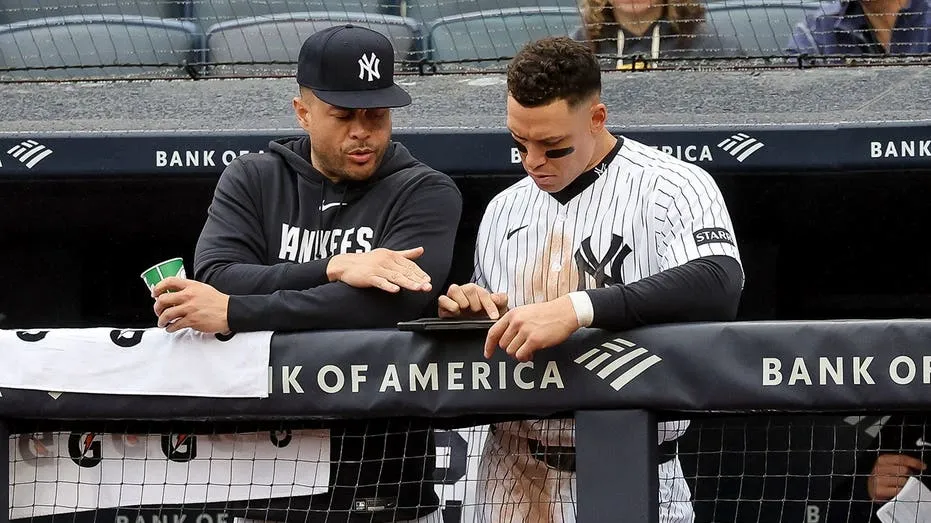
Major League Baseball has effectively drawn a line in the sand, prohibiting the use of artificial intelligence tools on team iPads during games. This move aims to curb the use of AI for shaping in-game strategy, such as recommending player substitutions, pitch calling, and other tactical decisions traditionally handled by human players and coaches.
League Memo Signals Shift Away from AI Assistance
A memo circulated by the commissioner’s office on June 11 detailed the new restrictions, which went into full effect just before teams returned to play following the All-Star break. The directive specifically targets custom applications teams had developed for their iPads, which were reportedly pushing the boundaries of existing technology guidelines. These apps were being utilized for purposes extending beyond the originally intended scope of the devices.
According to reports, as many as one-third of MLB teams were leveraging these iPads for strategic insights that went beyond their intended use. Despite the league’s scrutiny, the review found that no teams had violated existing rules concerning sign stealing or the misuse of electronic devices. However, the league’s action signals a clear intent to ensure that human judgment remains paramount in critical in-game decisions.
Understanding the iPad Setup and New Restrictions
MLB-issued iPads typically feature three distinct tabs for team use. The first provides access to Statcast data and various video replays, while the second is dedicated to information related to the automated ball-strike (ABS) system. The third tab, however, was the area where teams integrated their custom applications, and it is this custom tab that is now effectively off-limits for AI-driven strategic recommendations.
In conjunction with this ban, new rules have been implemented to limit the flow of live information directly into iPads during games. Video feeds will now be available only on a slight delay, and clear regulations have been posted in clubhouses to prevent non-field personnel from entering the dugout area. These measures collectively aim to reinforce the role of on-field personnel and traditional coaching staff.
Ensuring Human Oversight in Baseball Strategy
While the exact number of teams that utilized live, in-game AI information remains undisclosed, the league’s decision underscores a commitment to maintaining human control over strategic decision-making. The ban ensures that all significant calls, from pinch-hitting decisions to pitching changes, will be made by managers, coaches, and players, relying on their experience and real-time observations rather than algorithmic suggestions.
The initial report on these restrictions emerged from The Athletic, highlighting the growing trend of technological integration in baseball and the league’s subsequent response. This development marks a significant moment in how technology is integrated into the professional sport, prioritizing traditional baseball acumen over advanced AI analytics during the heat of competition.
The Evolving Landscape of Baseball Technology
The integration of technology in baseball has been a steadily increasing trend. From advanced scouting reports to sophisticated data analysis for player development, technology has undeniably enhanced many aspects of the game. Statcast, for instance, provides an unprecedented level of detail on player performance and ball trajectory, offering valuable insights for both teams and fans.
However, the line between helpful analytical tools and potentially game-altering AI assistance during live play has become a focal point for MLB. The league’s latest directive suggests a desire to maintain a certain level of traditionalism and human intuition, particularly in high-pressure, in-game situations. This doesn’t necessarily signal a complete rejection of technology but rather a recalibration of its role, ensuring it serves as a support system rather than a primary decision-maker.
The implications of this decision could extend to how teams approach future technological investments. While sophisticated data analysis will likely remain crucial for preparation and long-term strategy, the immediate focus during games will revert to the human element. This ensures that the unpredictable, strategic chess match that defines baseball’s in-game action remains firmly in the hands of its human participants.
Looking Ahead: Balancing Innovation and Tradition
As baseball continues to navigate the complexities of technological advancement, this move by MLB serves as a clear statement on the boundaries of acceptable innovation. The league’s objective appears to be fostering an environment where technology enhances the game without fundamentally altering the human-centric nature of its strategic core. Future technological developments will likely be evaluated through this lens, ensuring that innovation complements, rather than supplants, the skills and judgment of players and coaches.
Ultimately, the decision to restrict AI on in-game iPads reinforces the enduring value of human experience, intuition, and leadership in Major League Baseball. While data and analytics will continue to play a vital role in the sport’s preparation and understanding, the final decisions on the field will remain a testament to the human minds guiding the game.


