




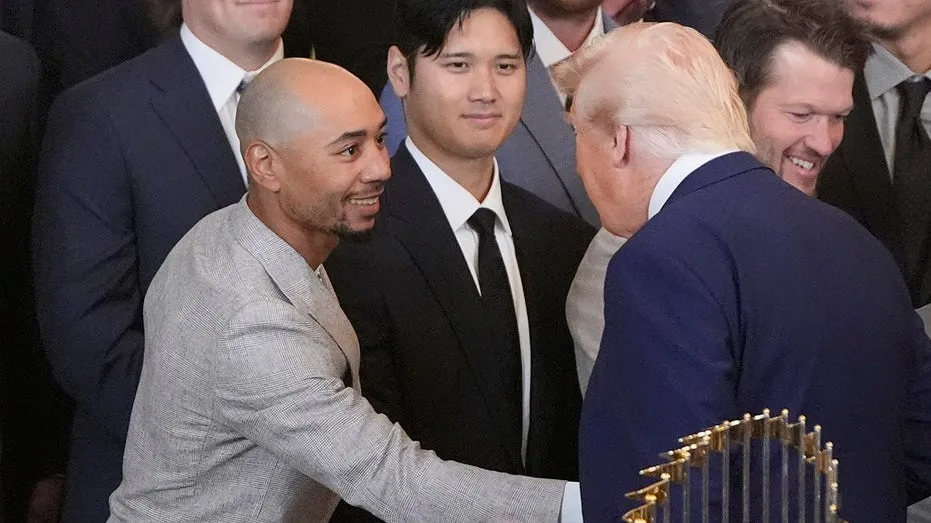
Los Angeles Dodgers star Mookie Betts has announced he will not join his teammates for the team’s upcoming visit to the White House to celebrate their World Series championship. The decision comes amid a flurry of commentary surrounding such visits, which have become increasingly politicized in recent years. Betts, however, insists his absence is purely personal and not a political statement.
Betts Prioritizes Family Over Ceremony
The upcoming trip to Washington D.C. is scheduled for July 23rd. Betts, a prominent figure on the championship-winning Dodgers squad, stated that his primary reason for declining the invitation is to spend time with his newborn child. “We just had a baby. You don’t get many days off,” Betts explained over the weekend, according to reports. “And just want to hang out with the fam. That’s really kind of it.” He acknowledged that his decision might be misinterpreted, adding, “But people are gonna make it a whole bunch of other stuff.”
Betts, 33, expressed his awareness that any choice he makes regarding the White House visit would likely draw scrutiny. “If I do [go], people are gonna hate me. If I don’t, people are gonna hate me,” he told reporters. “So instead of trying to make everyone else happy, I’m gonna think about myself and my family.” He also pointed out that he had visited the White House previously after the team’s 2024 championship, suggesting that this year’s absence is not a reflection of any new political stance.
The Politicization of Championship Visits
The tradition of championship sports teams visiting the White House has, in recent years, become a focal point for political discourse. While the visits are traditionally seen as a ceremonial honor celebrating athletic achievement, they have increasingly been viewed through a political lens, particularly during the Trump administration. Critics have sometimes urged teams to decline invitations, framing it as a stance against administration policies, while others argue that such visits should remain apolitical, celebrating the team’s success regardless of the political climate.
The Dodgers, as a high-profile organization based in a politically diverse region like Los Angeles County, have found themselves at the center of these debates. Despite Los Angeles County leaning Democratic, it also contains a significant Republican population, and the team boasts a national fanbase that spans the ideological spectrum. This has led to public pressure from various groups and commentators, urging the team and its players to align with specific political viewpoints.
Betts’s insistence on keeping his decision personal highlights the delicate balance athletes often face. He noted, “People are gonna try to drag me into politics, just because I am who I am. That’s just the cards I’m dealt.”
Context of the Dodgers’ Schedule
The timing of the White House visit also presents practical considerations for players. The trip requires significant time commitment, often taking up a full day and necessitating formal attire, during a demanding baseball season. Betts’s decision comes shortly after the All-Star break, a period offering a brief respite. However, the demands of travel and upcoming games mean that any off-day is valuable.
Some observers have noted that Betts has attended the White House ceremony multiple times in the past, making the prospect of another trip less novel. This history, combined with the demands of the season and his family situation, provides a context for his choice beyond political motivations.
Other Players’ Stances
Betts is not the only Dodgers player to express reservations about the visit. Kike Hernandez indicated that he also likely would not attend. While his potential absence is complicated by a scheduled rehab assignment that might place him on the East Coast during the team’s visit, he suggested that he might have opted out regardless, potentially due to disagreements with the current administration’s policies, particularly concerning immigration.
Manager Dave Roberts has previously emphasized the honor of receiving such an invitation, framing it as a testament to the team’s success. He has often stressed that athletes and coaches are being celebrated for their on-field achievements, not their political affiliations.
Navigating Public Opinion
The recurring discussions around these White House visits underscore the challenges faced by sports figures in navigating public expectations and political pressures. Betts’s approach—focusing on personal reasons and family commitments—reflects an effort to sidestep the politicization that has increasingly enveloped these traditional celebrations of athletic triumph. His statement serves as a reminder that personal circumstances often play a significant role in athletes’ decisions, even when those decisions occur under the bright lights of public and media attention.


