Nevada Top Prosecutor’s Appointment Unlawful, Appeals Court Rules
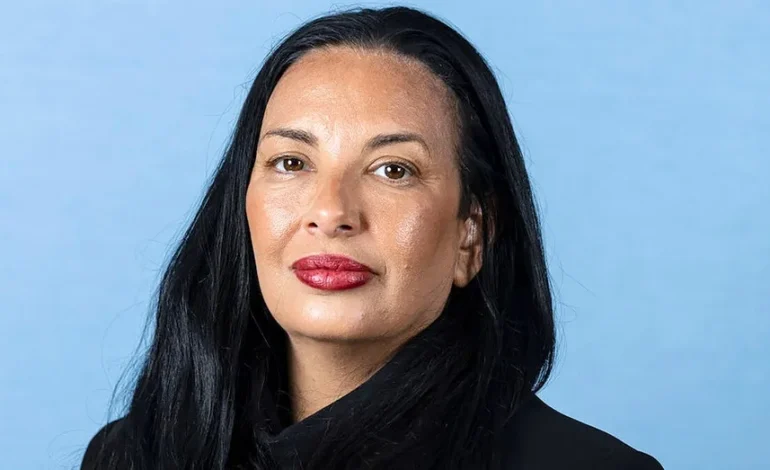

A federal appeals court has determined that the Trump administration unlawfully appointed Sigal Chattah as Nevada’s top federal prosecutor, affirming a lower court’s decision that she was not validly leading the U.S. Attorney’s Office for the District of Nevada. The ruling effectively disqualifies Chattah from overseeing prosecutions in three ongoing criminal cases.
Court Upholds Disqualification of Nevada’s Top Federal Prosecutor
The Ninth U.S. Circuit Court of Appeals, in a unanimous decision by a three-judge panel, upheld a district court’s finding that Sigal Chattah’s tenure as the interim U.S. Attorney for Nevada was invalid. The Justice Department had attempted to keep Chattah in her leadership role through a series of appointments and delegations after her initial 120-day interim term expired. However, the appeals court found these mechanisms insufficient to legitimize her position.
Chattah, who previously served as Nevada’s Republican National Committeewoman, was initially appointed as interim U.S. attorney for a period of up to 120 days, beginning April 1, 2025. As this term neared its end in late July of that year, she resigned from the interim role. Shortly thereafter, then-Attorney General Pam Bondi designated Chattah as first assistant U.S. attorney, the second-highest position in the office. The Justice Department contended that this move, coupled with a special attorney appointment, allowed Chattah to continue serving as acting U.S. attorney under the Federal Vacancies Reform Act, even without Senate confirmation for a permanent role.
Legal Challenge to Chattah’s Authority
The authority of Chattah’s office was challenged by federal public defenders in Nevada. They argued in multiple criminal cases that her appointment was unlawful and that the cases should be dismissed due to her lack of legitimate standing. U.S. District Judge David Campbell initially sided with the public defenders in September, leading the Trump administration to appeal the decision.
The appeals court panel, however, found that the specific provision of the Federal Vacancies Reform Act the Justice Department relied upon did not automatically empower a first assistant to assume the role of acting U.S. attorney unless they already held that position when the vacancy occurred. The court also rejected the argument that the Attorney General could effectively create an acting U.S. attorney by delegating all of the office’s functions to another individual.
Key Arguments and Court’s Rejection
The Justice Department presented two main arguments to support Chattah’s continued role:
- The designation as first assistant U.S. attorney automatically permitted her to serve as acting U.S. attorney under the Federal Vacancies Reform Act.
- The Attorney General possessed the authority to delegate the functions of the U.S. attorney to Chattah.
The Ninth Circuit panel, including U.S. Circuit Judge Eric Miller (a Trump appointee), U.S. District Judge Stanley Blumenfeld Jr. (also a Trump appointee), and U.S. Circuit Judge Sidney Thomas, found both arguments unconvincing. Judge Miller, writing for the unanimous panel, stated, “Nor can the Attorney General create a de facto Acting U.S. Attorney by delegating all of the functions and duties of the U.S. Attorney to someone else.”
Broader Implications for Temporary Appointments
This ruling represents another legal setback for the administration’s strategy of keeping temporary appointees in key federal prosecutor roles without undergoing the Senate confirmation process. The dispute arises amidst ongoing discussions surrounding the Senate Judiciary Committee’s “blue slip” tradition, a practice that can allow home-state senators to significantly influence or block nominations for U.S. attorney positions.
Notably, Donald Trump did not nominate Chattah for the permanent U.S. attorney position in Nevada. Instead, George Kelesis was nominated for the role in February 2026. This case echoes a similar decision in December from the Third U.S. Circuit Court of Appeals, which found that Alina Habba, a former personal attorney for Trump, was not lawfully serving as acting U.S. attorney in New Jersey and disqualified her from overseeing cases there.
Conclusion
The Ninth Circuit’s decision reinforces the legal requirements for appointing acting U.S. attorneys, emphasizing that interim leadership must adhere strictly to the provisions outlined in the Federal Vacancies Reform Act. The ruling underscores the importance of proper appointment procedures and Senate confirmation for high-level legal positions, impacting the administration’s ability to maintain temporary leadership in federal prosecutor offices across the country.