


New York Bans Local Police-ICE Partnerships, Citing Focus on Local Crime
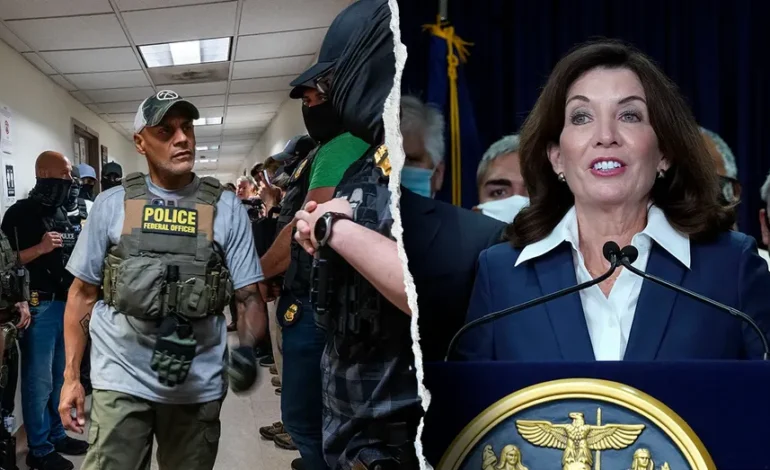

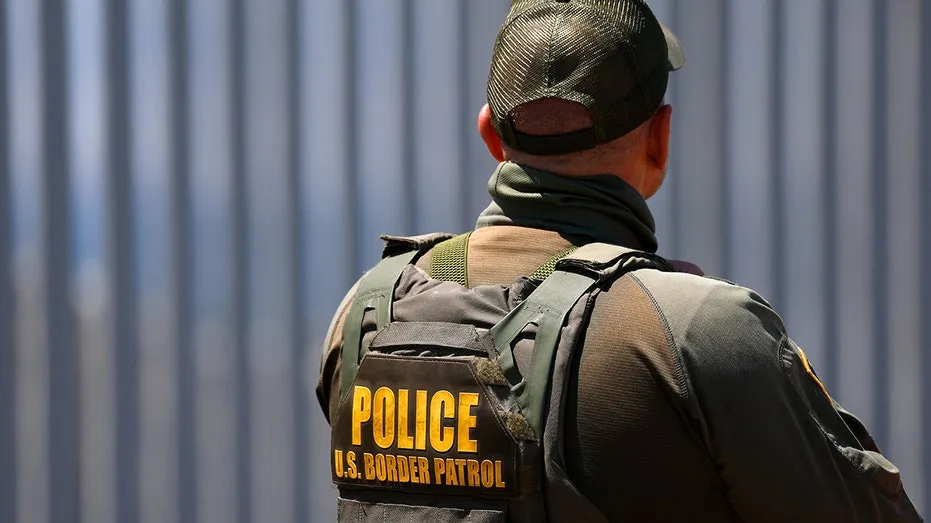
New York Governor Kathy Hochul has officially outlawed formal agreements between local law enforcement agencies and Immigration and Customs Enforcement (ICE), a move she asserts will allow police to concentrate more effectively on combating local crime. The ban, enacted through the “Local Cops, Local Crimes Act,” took effect this week, prohibiting state and local entities from participating in so-called 287(g) agreements. These agreements previously allowed trained local personnel to carry out specific federal civil immigration enforcement duties under ICE supervision.
Hochul, speaking on the “Morning Joe” program, declared, “I just banned it.” She emphasized that the new law makes it illegal for such partnerships to exist within the state. Her administration argues that leveraging local police for civil immigration enforcement detracts from their primary role and can unfairly target families and individuals. A spokesperson for the governor stated, “Governor Hochul has been clear: You don’t make New York State safer by co-opting local law enforcement to conduct civil immigration enforcement that targets families, children and hardworking individuals.” The spokesperson also noted that a federal court had previously upheld the state’s legislation.
However, the Department of Homeland Security (DHS) has voiced strong opposition, suggesting the ban will necessitate a greater federal presence in communities to apprehend individuals who might otherwise be released from local custody. A DHS spokesperson told Fox News Digital that when local law enforcement cannot collaborate with ICE, federal agents must step in more visibly to find and detain criminals. The department pointed to a correlation between cities that cooperate with ICE and lower crime rates, citing seven of the top 10 safest cities in the U.S. as examples. “Instead of working with us, Governor Hochul and Attorney General James are choosing to RELEASE violent criminals from their jails directly back into our communities to perpetrate more crimes and create more victims,” the DHS spokesperson contended.
DHS Cites Cases of Released Individuals
The DHS highlighted five specific cases in New York involving noncitizens who, according to the department, remained at large or were released despite ICE detainers following arrests or convictions for serious offenses. These charges included attempted murder, rape, assault, weapons possession, and child endangerment. ICE eventually took all five individuals into custody, and one was subsequently deported to Mexico, the department reported. This situation underscores the federal agency’s concern that the ban could impede their ability to track and detain individuals with potential immigration violations who have also committed crimes.
Legal Challenges and State’s Position
The new law faces a significant challenge in federal court. Fifteen county sheriffs have filed a lawsuit, led by Rensselaer County Sheriff Kyle Bourgault, arguing that the ban infringes upon the authority of independently elected sheriffs and interferes with federally sanctioned agreements. The state’s legal team, however, maintains that the law is valid and that New York will continue to collaborate with federal and local authorities on violent crime suppression while upholding community safety and enforcing laws. Hochul’s office clarified that the law does not prohibit jails from informing ICE about potentially deportable individuals in custody or from transferring individuals lawfully detained to federal custody, provided local laws are followed. Furthermore, existing state corrections law mandates notification to federal immigration authorities when a noncitizen is taken into custody.
In a related legal development, New York Attorney General Letitia James initiated legal action against Rensselaer County and Sheriff Bourgault, seeking to terminate the 287(g) agreement. This move was the first by the state’s newly established Office of Immigrant Trust. Meanwhile, a federal judge recently denied the Justice Department’s request for a preliminary injunction against the 287(g) ban in a separate case, allowing the Tuesday deadline for compliance to proceed. That litigation is ongoing, and the group of 15 sheriffs is pursuing emergency relief in their own federal lawsuit.
Focus on Local Crimes, Not Civil Enforcement
Governor Hochul’s administration reiterated its stance that the primary duty of local law enforcement should be addressing local criminal activity. The “Local Cops, Local Crimes Act” aims to ensure that police resources are dedicated to investigating and preventing crimes that directly impact New York communities, rather than engaging in civil immigration enforcement. This distinction is central to the governor’s argument that the ban enhances public safety by keeping local police focused on their core mission.
The 287(g) program, which the new law targets, has been a point of contention for years, with critics arguing it can lead to racial profiling and strain community relations. Supporters, however, view it as a crucial tool for national security and immigration enforcement. The legislative action in New York represents a significant shift in how the state approaches the intersection of local policing and federal immigration duties, prioritizing local concerns while federal agencies express apprehension about potential impacts on their enforcement capabilities.
While the legal battles continue, the ban on these specific ICE partnerships is now in effect, reshaping the landscape of law enforcement collaboration in New York State. The outcome of the ongoing litigation could have broader implications for similar agreements in other states grappling with the complexities of immigration enforcement and local policing.