




Democrats Divided on Meaning of New York Primary Victories
A wave of progressive candidates, backed by the Democratic Socialists of America, secured significant victories in New York’s recent primary elections, prompting a stark divergence of opinions among House Democrats regarding the party’s future direction. The outcomes have ignited a spirited debate over whether these explicitly socialist platforms represent a blueprint for broader Democratic success or are confined to specific regional political landscapes.
Interpreting the Progressive Surge
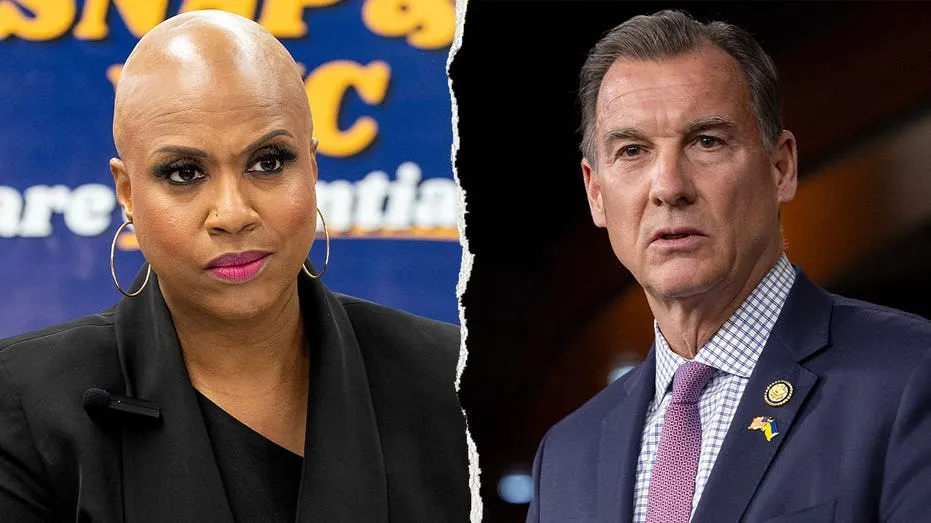
Some lawmakers see the New York results as a clear signal of a growing movement within the party. Representative Ayanna Pressley of Massachusetts commented on the trend, noting, “It’s sort of dismissed as a fluke or an outlier, but whenever more moderate Democrats win, people say that that’s a blueprint for Democrats to continue winning.” She urged colleagues to “take heed,” suggesting the victories carry significant weight for the party’s trajectory.
Progressive Democrat Representative Pramila Jayapal of Washington echoed this sentiment, describing the New York results as having “fabulous energy, momentum, a giant repudiation of special interests.” She highlighted “real energy for us to continue to turn out young people and make sure that we’re getting everyone voting and committed to a government that actually works for working people.”
Calls for Moderation and Capitalism
Conversely, other Democrats have actively distanced themselves from the socialist label, emphasizing their commitment to capitalism and traditional Democratic values. Representative Thomas Suozzi of New York explicitly stated, “I’m a capitalist, not a socialist. And I believe in safety, not lawlessness. And I’m proud of America. I’m not ashamed of America.”
Representative Gregory Meeks of New York aligned with this view, saying, “I believe in capitalism, so I’m not a socialist. So I don’t know whether that’s an issue or not.”
A New York Phenomenon or National Trend?
The debate intensified as New York City Mayor Zohran Mamdani, a prominent socialist, endorsed three candidates – Darializa Avila Chevalier, Brad Lander, and Claire Valdez – who successfully unseated establishment incumbents by championing a socialist agenda. This further fueled discussions about the influence of such platforms.
Some Democrats suggest the victories are largely a product of New York’s unique political environment. Representative Joseph Morelle of New York remarked, “I think what happens in New York City is sort of just what happens in New York City. I don’t think it’s necessarily an indication of anything outside New York City. Their politics is somewhat unique.”
Bridging Ideological Divides
Representative Suozzi emphasized the need for Democrats to find common ground and address economic anxieties without resorting to systemic dismantling. He articulated, “They’re saying ‘the whole system sucks, let’s tear it down.’ I don’t believe that’s the right answer. I believe that we, those of us who disagree with the DSA and those of us who disagree with MAGA, have to do a better job of saying, ‘Yes, you have reasons to have economic insecurity. We understand that.’” He added, “We have to do a better job of understanding, saying that we understand what people are going through and proposing solutions that will make their lives better.”
Representative Pressley, however, advocated for embracing the energy generated by the progressive wins. She believes voters are looking for leaders who will aggressively pursue their agendas. “What the American people want to see right now and going forward is that we know how to be the fighters in the room and that when we have the power, we’re not afraid to use it,” Pressley stated.
The ongoing discussion within the Democratic Party highlights a broader internal conflict over the party’s ideological future and the potential for progressive campaigns to serve as a viable roadmap for national electoral success.


