




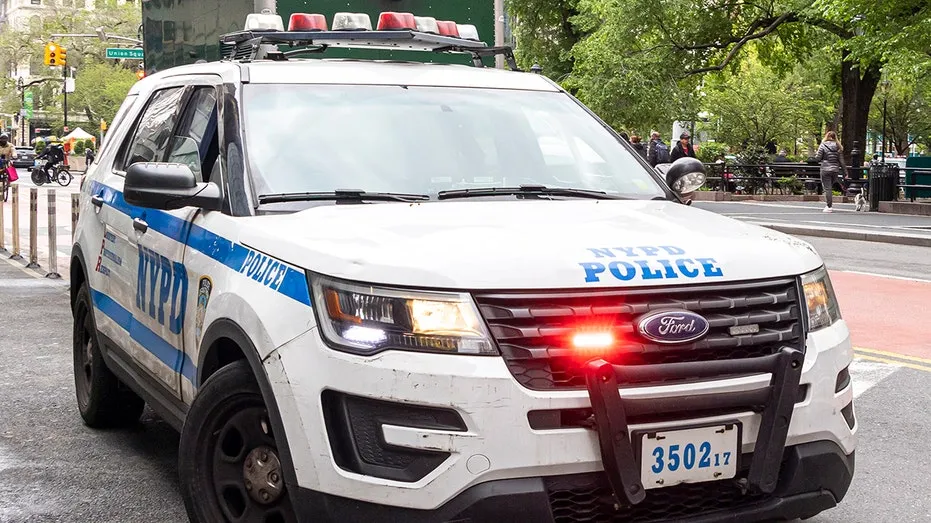
A New York City police officer has been found guilty of using a prohibited chokehold and strangulation, a verdict that marks the first conviction under the city’s 2020 ban on such restraints. The law was enacted in the wake of George Floyd’s murder by Minneapolis police officer Derek Chauvin. Officer Omar Habib was convicted of misdemeanor strangulation and assault, alongside a felony charge of second-degree strangulation. The latter carries a potential prison sentence of up to seven years. Bronx Criminal Supreme Court Judge Cynthia Isales ordered Habib held without bail following the verdict. He had been suspended without pay and was terminated from the force after his conviction, as required by law following a felony conviction. Habib had been with the NYPD since 2007.
Chokehold Incident Details
The conviction stems from an incident on July 28, 2023, when Officer Habib responded to a 911 call at a Bronx catering hall. According to Bronx District Attorney Darcel Clark, a man at the venue was reportedly drunk and disorderly, resisting arrest. Prosecutors presented evidence that Habib applied a chokehold so forcefully that it obstructed the man’s breathing and circulation, leading to unconsciousness. Habib’s defense team contended that other factors, such as the man’s alcohol consumption without adequate food intake, could have contributed to his losing consciousness.
Officer’s Prior Record and Allegations
This conviction is not the first time Officer Habib has faced scrutiny for his conduct. Records indicate a history of substantiated misconduct complaints, including allegations of excessive force and abuse of authority. Notably, the Civilian Complaint Review Board had previously substantiated a claim of chokehold use in a separate 2017 incident. Furthermore, Habib was accused of perjury and evidence tampering in connection with a 2016 gun raid, which led to several defendants withdrawing their guilty pleas in that case.
Chokehold Ban and Legal Challenges
The 2020 city law under which Habib was charged was established after George Floyd’s death ignited widespread protests and calls for police reform and accountability nationwide. This legislation specifically criminalizes chokeholds and certain forms of chest or back pressure that impede breathing during an arrest. While police unions challenged the law, New York state’s highest court upheld its legality in 2023. It’s worth noting that NYPD policy already prohibited most chokeholds prior to the law’s enactment, but officers rarely faced criminal prosecution for violations.
Broader Context of Police Restraint Cases
This case draws parallels to other high-profile incidents involving police restraint tactics. In 2014, Eric Garner died during an arrest in Staten Island after repeatedly stating he could not breathe, following the use of a chokehold by Officer Daniel Pantaleo. While Pantaleo lost his job after a departmental disciplinary review found he used a prohibited chokehold, he did not face criminal charges. The Garner case, like Floyd’s, significantly fueled public outcry and contributed to the momentum for legislative changes regarding police conduct.
Union Reaction and Fair Trial Concerns
Patrick Hendry, president of the Police Benevolent Association of the City of New York, expressed strong disapproval of the verdict. He stated that the conviction serves as further evidence of a challenging reality for officers, where any action on the job could lead to criminal prosecution. Hendry suggested that pervasive anti-police sentiment has made obtaining a fair trial exceedingly difficult for officers. The union’s stance highlights ongoing tensions between law enforcement advocacy groups and those pushing for greater police accountability and reform.
Conclusion
The conviction of Officer Omar Habib represents a significant moment in New York City’s efforts to reform police practices. As the first officer convicted under the city’s 2020 chokehold ban, the ruling underscores a shift towards greater accountability for the use of prohibited restraint techniques. While the legal battles and debates surrounding police conduct continue, this verdict signals a clear legal precedent and reinforces the city’s commitment to enforcing its laws aimed at preventing excessive force.


