


Pete Alonso’s ‘Home Run’ Ruled Foul, Sparking Outrage Among Orioles Fans
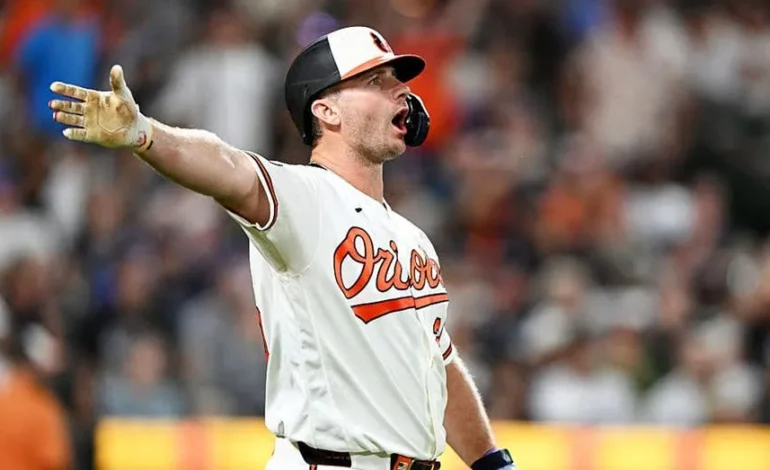

A pivotal moment in Wednesday night’s game between the New York Yankees and the Baltimore Orioles took a controversial turn, leaving fans, players, and broadcasters questioning the accuracy of baseball’s review system. Pete Alonso, playing for the Yankees, hit what appeared to be a go-ahead home run in the seventh inning, but the call on the field was ultimately upheld as foul after an official review, much to the dismay of the Baltimore faithful at Camden Yards.
The Controversial Call
With the score tied at 3 runs apiece, Alonso stepped up to the plate and launched a powerful drive down the left-field line. The ball soared high, seemingly destined for the stands, and Alonso began his trot around the bases, anticipating his 30th home run of the season. However, the home plate umpire immediately signaled foul, a call that sent shockwaves through the stadium and ignited a firestorm of debate.
The Orioles, confident in the trajectory of the ball, challenged the call. An official crew chief review was initiated, utilizing available technology to scrutinize the play. Despite the extensive review, the umpires determined that the call on the field would stand. This decision, often colloquially referred to as ‘the call on the field stands,’ left many feeling that technology had failed to provide a definitive answer, reverting to the initial, disputed judgment.
Reactions and Replays
The decision immediately drew ire from the Orioles’ side. Fans, players, and the broadcast booth expressed disbelief. Even Michael Kay, the Yankees’ play-by-play announcer, acknowledged on the broadcast that the ball appeared to be fair. When a broadcaster for the opposing team concedes the call might have been incorrect, it often signals a significant officiating error.
From many observers’ perspectives, the hit looked like a clear home run. The trajectory and distance suggested it cleared the foul pole and landed in fair territory. The debate hinges on whether the ball curved just enough at the last moment to clip the foul pole or stay to its left, a distinction that replay technology is designed to clarify. However, in this instance, the replay was deemed too close to definitively overturn the initial call.
The Orioles’ dugout, equipped with advanced ball-tracking data on their iPads, was particularly convinced the call was wrong. Manager Craig Albernaz commented on the frustration of having such data at their fingertips, only to see the on-field call upheld. “It’s really tough to have that come back and stand and to have that visual in the dugout. It’s 2026. Technology has advanced pretty good,” Albernaz stated, referencing the advanced analytics now commonplace in baseball. “There’s teams using AI on the iPads. Other sports using ball-tracking data for challengeable calls. I don’t understand why we don’t do it. But, it’s not why we lost the game.”
The Impact on the Game
While Albernaz downplayed the call’s impact on the eventual outcome, the Yankees went on to win the game 5-3, scoring two runs in the eighth inning. The absence of a go-ahead three-run homer in the seventh undoubtedly altered the game’s momentum. Had Alonso’s hit been ruled fair, the Orioles would have entered the eighth inning with a 6-3 lead, a significantly different scenario that could have influenced the game’s final innings.
This incident highlights the ongoing tension between human judgment and technological assistance in professional sports. While replay reviews aim to correct clear errors, close calls like Alonso’s drive continue to fuel debate about the consistency and effectiveness of these systems. For Orioles fans, the memory of what could have been a game-changing home run, ultimately ruled foul, will likely linger as a frustrating ‘what if’ in a closely contested season.
Baseball’s Evolving Technology
The integration of advanced technology, including ball-tracking systems and even AI-powered analytics, has become standard practice for many teams. These tools provide real-time data that can inform strategic decisions and challenge officiating. The debate now centers on whether such data should be more readily incorporated into the review process for calls that have a significant impact on game outcomes.
The current system relies on umpires’ judgment in real-time, with replay serving as a secondary check for obvious errors. However, plays like Alonso’s seventh-inning blast demonstrate that even with advanced technology, the line between fair and foul can be razor-thin, leading to contentious decisions that leave fans and teams searching for definitive answers. The frustration expressed by the Orioles’ camp underscores a broader conversation about the future of officiating in baseball and the role technology should play in ensuring accuracy.