




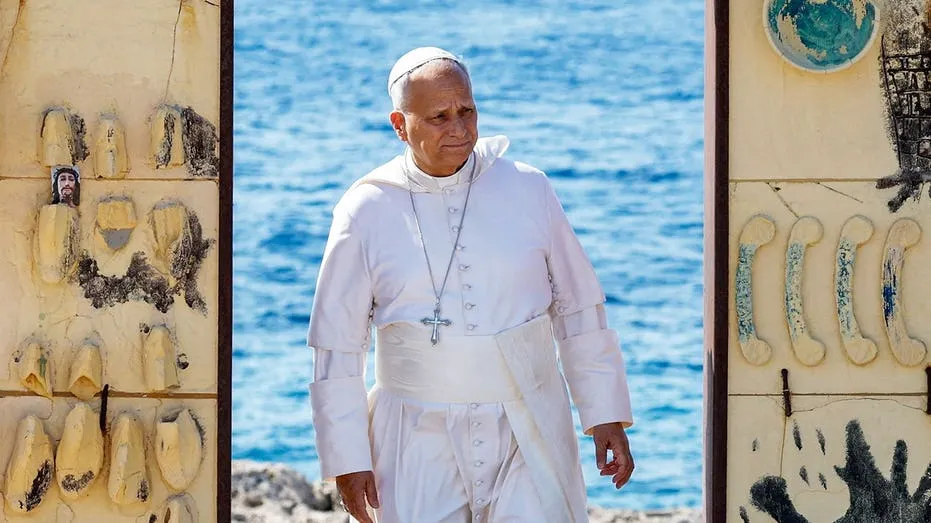
Pope Francis, the first American-born pontiff, has called on the United States to uphold its historical commitment to welcoming immigrants, drawing a direct line from the nation’s founding principles to its ongoing identity. Speaking virtually to the National Constitution Center in Philadelphia on Friday, where he was honored with the 2026 Liberty Medal for his dedication to religious freedom, the Pope emphasized the enduring significance of America’s role as a haven.
America’s Enduring Promise of Freedom
In his address, Pope Francis reflected on the nation’s 250-year journey, stating, “In these past 250 years, for so many peoples throughout the world, it was the firm resolve to achieve the noble vision of the nation’s founders that made America a byword for freedom, as the country opened its doors to successive waves of immigrants, enabling them and their children to play their part in shaping the future of the nation.” He invoked the spirit of the Declaration of Independence, reminding listeners of the self-evident truths that “all men have received fundamental rights from our creator, and they include life, liberty, and the pursuit of happiness.” As a “son of this great country,” he expressed a hope that these foundational ideals would continue to guide America toward unity, justice, and peace in its next 250 years.
The Pope highlighted the upcoming anniversary as a crucial moment for reflection, urging America to remain true to the dream that has cemented its reputation as the “land of the free and home of the brave.” This advocacy for immigrant and migrant rights has been a cornerstone of his papacy since he ascended to the role in 2025. He asserted, “The moral greatness of a nation is manifested, above all, in its capacity to support, protect and cherish the lives of all, especially the most vulnerable and those whose worth is questioned.”
A Plea for Migrants from a Global Hotspot
Following his address from the Vatican, Pope Francis embarked on a journey to Lampedusa, an Italian island situated off the North African coast. This location has become a critical focal point for migrants attempting to reach Europe. On the island, the Pope reiterated his urgent call for greater acceptance of migrants, painting a stark picture of their plight.
“Here you have seen not just one, but thousands of human beings fallen into the hands of robbers who have taken everything from them, beat them brutally and walked away, leaving them half-dead,” he described, referencing the perilous journeys undertaken by those seeking safety. “The sea has claimed the lives of others, those who did not manage to reach their hoped-for destination. Yet we feel their presence, which challenges us no less than that of those who have landed in need of attention and aid.”
The Pope pointed to a complex web of factors contributing to the crisis, including indifference, corruption in countries of origin, a global economic system that breeds poverty, fear that fuels prejudice, and the criminal enterprises that profit from human suffering. He criticized both active decisions and inaction, stating, “Those who have lost their lives in this sea are victims both of decisions that were made and of decisions that were not made.”
Europe’s Capacity and Responsibility
Pope Francis specifically addressed Europe, suggesting that its geographical position and institutional structure equip it to manage the crisis comprehensively. He advocated for a strategy that integrates immediate humanitarian relief with long-term plans for receiving, protecting, supporting, and integrating migrants. Crucially, he also stressed the importance of aiding developing nations to address the root causes that compel people to emigrate.
He concluded his remarks on Lampedusa with a poignant observation about perception, contrasting the casual enjoyment of vacations with the harsh reality faced by shipwrecked migrants. “Indeed, for many a vacation is merely a distraction, a time of lightheartedness and carefree enjoyment. It then seems as though an invisible wall has to be erected between the sea of shipwrecked migrants and the vacationers. Have the courage to think differently,” he urged.
Navigating International Relations
Pope Francis’s firm stances on immigration and global humanitarian issues have occasionally placed him at odds with certain Western leaders. Notably, his views have drawn criticism from figures such as former President Donald Trump, who has publicly described the Pope’s foreign policy stances as “terrible” and “weak.” Vice President JD Vance, who is Catholic, has also voiced criticism regarding the Pope’s public statements.
Despite these political tensions, the Pope’s message from Philadelphia and Lampedusa underscores a consistent theme: the moral imperative to extend compassion and support to those seeking refuge and a better life, rooted in the very ideals upon which the United States was founded.


