




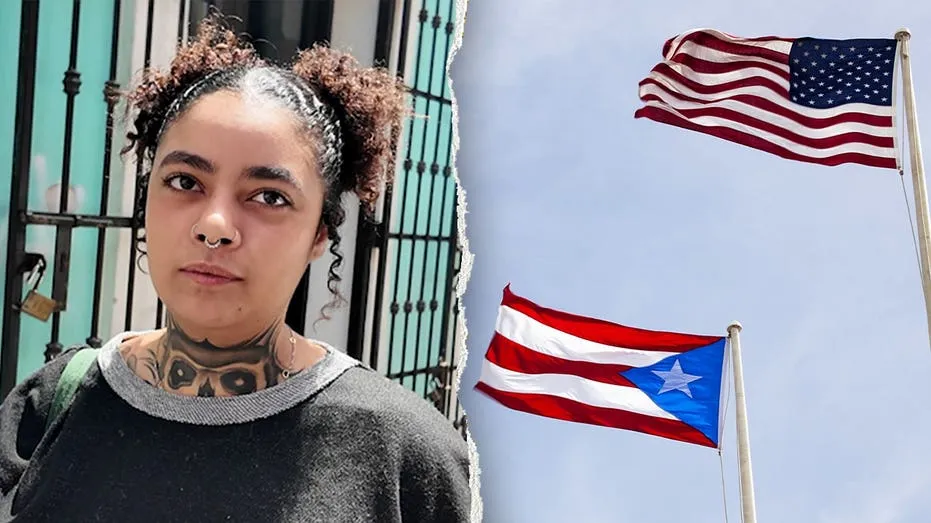
SAN JUAN, Puerto Rico – The prospect of Puerto Rico becoming the 51st U.S. state has ignited a passionate debate across the island, with many residents expressing significant apprehension about the potential economic fallout and the erosion of their distinct cultural identity. Interviews conducted in San Juan reveal a populace divided, but with a vocal segment fearing that statehood could lead to crippling tax increases and a loss of what makes Puerto Rico unique.
Economic Jitters and Tax Troubles
A central theme among those wary of statehood is the fear of escalating taxes. Puerto Rico currently operates under a federal tax structure distinct from that of the mainland United States. Embracing statehood would mean a more comprehensive integration into the U.S. federal tax system, a prospect that troubles many.
“I don’t think it should be a state,” shared Carly, a Puerto Rican native who now resides in Connecticut but maintains strong ties to the island. “I don’t want them to do PR how they did with Hawaii. I don’t want taxes to spike. People’s wages here are really low to maintain life here.” Her sentiment reflects a broader concern that the economic benefits of statehood might not outweigh the financial burden on ordinary citizens.
Alejandra, a resident of San Juan, echoed these worries, stating, “Everything would become more expensive than it already is, and locals have already been struggling for a while now. It would make stuff even worse.” This feeling of precarious economic footing suggests that any significant shift in fiscal policy, such as the tax changes accompanying statehood, could exacerbate existing hardships.
Cultural Identity on the Line
Beyond the economic implications, a deep-seated concern for Puerto Rico’s cultural heritage permeates the discourse. Many fear that becoming a state would accelerate the Americanization process, potentially diluting the island’s unique traditions, language, and spirit.
“Puerto Rico is already being very Americanized,” noted a resident who identified herself only as “Boo.” “I wouldn’t like that to keep going on if we become a state because it will lose the heart and soul.” This fear of cultural assimilation is a powerful counterpoint to the arguments for statehood, highlighting a desire to preserve the island’s identity.
Political Undercurrents and Past Referendums
The push for statehood has been a long-standing political issue, with Puerto Rico’s status as a U.S. territory dating back to 1898. The current governor, Jenniffer González Colón, a proponent of statehood, argues that it is essential for achieving equality with U.S. states, citing perceived disparities in federal program funding.
However, political sentiment is not monolithic. Some residents expressed reservations tied to the broader political climate in the United States. “Boo” mentioned that the intense public scrutiny surrounding the U.S. presidency, particularly Donald Trump, made her hesitant to align Puerto Rico more closely with the U.S. as a state. “We don’t want to be a part of that, for sure,” she stated, indicating a desire to distance the island from perceived political turmoil.
The issue was put to voters in a nonbinding referendum in November 2024. The results showed a majority favoring statehood, with 59% of votes cast for it. Independence garnered 29%, and associated independence received 12%. Despite the majority vote for statehood, the nonbinding nature of the referendum and the significant support for other options underscore the island’s complex and divided views.
Independence: A Viable Alternative?
For some, the path forward lies not in statehood, but in full independence. Angelie, another resident, voiced a strong belief in Puerto Rico’s potential as a sovereign nation. “I believe that we can be our own independent country,” she said. “I think that we have the full potential to become an independent country since we have been colonized for so, so many years.” She lamented that colonization by the United States had altered the island’s destiny after an earlier opportunity for self-determination.
Yet, the practicalities of independence also raise concerns. Luis, a Puerto Rican resident, while supporting the idea of independence in principle, questioned the island’s readiness. “The reality is that we have been… tailored to the U.S. — not citizens, the U.S. government, federal government — to their liking,” he explained. “In other words, they have been feeding us with a lot of federal funding, and people are used to that.” Luis pointed out that a reliance on federal funds has, in his view, discouraged some from working, highlighting a potential challenge for an independent economy.
A Complex Future
The debate over Puerto Rico’s political status is multifaceted, touching upon economic stability, cultural preservation, and national identity. While statehood is one option on the table, the concerns voiced by residents about taxes, economic hardship, and the potential loss of cultural heritage suggest that the path forward is far from settled. The island’s future hinges on navigating these complex issues, balancing aspirations for equality and self-determination with the practical realities of its economic and cultural landscape.


