


Reagan National Airport Enhances Safety with New Radar After Deadly 2025 Collision
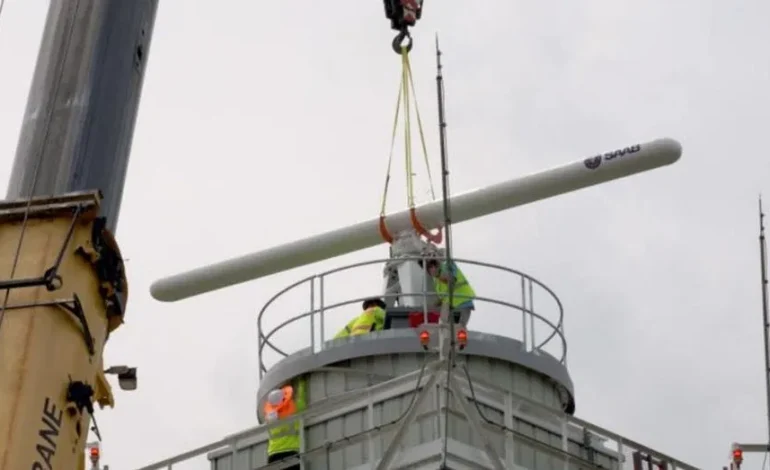

Ronald Reagan Washington National Airport (DCA) is bolstering its air traffic control capabilities with the installation of a new Surface Movement Radar system, a significant upgrade implemented in the wake of a catastrophic midair collision in 2025 that claimed 67 lives. The advanced technology, known as SMR-4, aims to provide air traffic controllers with a more precise view of aircraft and vehicle movements on runways and taxiways, even under challenging weather conditions.
A New Layer of Safety for DCA
Transportation Secretary Sean Duffy announced the deployment of the SMR-4 system on Friday, emphasizing its role as a critical tool for controllers safeguarding air travel. “This new radar is our latest reinforcement tool to equip our controllers as they safeguard our air travel,” Duffy stated. He added, “We’re working at the Speed of Trump to deliver the world-class air traffic control system America deserves.” The system is designed to offer controllers a “clearer portrait” of airport operations, enhancing situational awareness significantly.
Reagan National Airport is the fifth facility to receive this cutting-edge radar technology. Newark Liberty International Airport was among the earlier recipients, having been equipped with the system just days before. The investment in enhanced safety and technology at Reagan National is substantial, with the Department of Transportation allocating $30.5 million over the next three years for upgrades.
The Tragedy That Spurred Change
The impetus for these critical upgrades stems from a devastating incident on January 29, 2025. A tragic midair collision occurred over the Potomac River near the airport, involving American Airlines Flight 5342, a regional jet operated by PSA Airlines, and a U.S. Army Black Hawk helicopter. The accident resulted in the loss of all 64 passengers and crew aboard the American Eagle flight, along with the three individuals on the military helicopter.
In the aftermath of the collision, the federal government formally acknowledged its liability. A comprehensive, year-long investigation conducted by the National Transportation Safety Board (NTSB) identified a confluence of systemic failures as the root cause. These failures spanned airspace design, safety oversight protocols, and risk management practices, involving both the Federal Aviation Administration (FAA) and the U.S. Army.
NTSB Findings Highlighted Long-Standing Issues
Jennifer Homendy, chairwoman of the NTSB, detailed the investigation’s findings in a January 2026 report. She stated, “This complex and comprehensive one-year investigation identified serious and long-standing safety gaps in the airspace over our nation’s capital.” Homendy further noted the somber reality that “the conditions for this tragedy were in place long before the night of Jan. 29.” The NTSB’s findings underscored that the collision was not an isolated incident but rather the culmination of deeply embedded safety deficiencies.
Contributing Factors Identified by the NTSB:
- Airspace Design: Flaws in the established flight paths and operational procedures within the Washington D.C. metropolitan area’s complex airspace.
- FAA Safety Oversight: Deficiencies in the Federal Aviation Administration’s monitoring and enforcement of safety regulations and standards.
- Army Risk Management: Inadequate risk assessment and management protocols by the U.S. Army concerning military aircraft operations in shared airspace.
- Systemic Failures: A broader pattern of interconnected issues across multiple agencies and operational domains that collectively compromised safety.
Looking Ahead: A Commitment to Enhanced Air Safety
The installation of the SMR-4 radar at Reagan National Airport represents a tangible step towards addressing the vulnerabilities exposed by the 2025 tragedy. The investment in technology and safety upgrades signifies a commitment to preventing similar disasters. The focus on improving air traffic control systems, particularly in busy and complex airspaces like that of the nation’s capital, is paramount.
While the SMR-4 system provides enhanced surface situational awareness, the NTSB’s report also pointed to the need for broader reforms in airspace management and oversight. The ongoing efforts at Reagan National, alongside other airports receiving similar technology, are part of a larger national initiative to modernize air traffic control infrastructure and protocols. The goal is to create a more resilient and secure air travel environment for everyone, learning from the hard lessons of the past to build a safer future for aviation.