




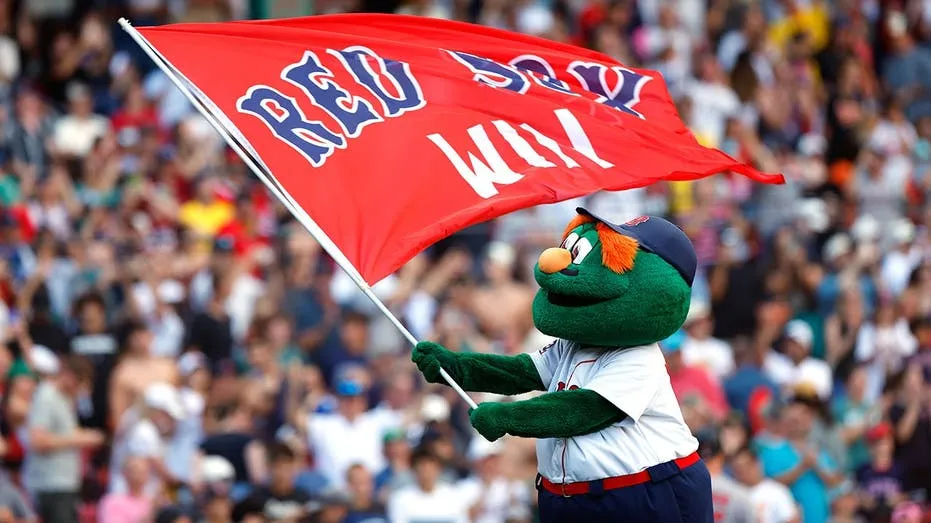
The Boston Red Sox recently saw their impressive 15-game winning streak come to an end, a development that likely brought a sigh of relief to a New England-based restaurant chain. While the employees might be avid baseball fans, the team’s extended run of victories proved to be a significant financial drain due to a popular promotion: “Kids Eat Free” on any day the Red Sox win.
A Promotion That Backfired During a Historic Streak
The promotion, a long-standing partnership between the Red Sox and the restaurant chain 99 Restaurants, has been in place since 2008. Typically, such offers are common, especially in minor league sports, where a specific in-game event might trigger a discount or freebie for attendees. Think of a promotion tied to an infield fly rule resulting in a free ice cream – a fun perk that often goes unnoticed or is forgotten by many.
However, this particular Red Sox promotion proved to be remarkably effective, perhaps too effective. The team’s incredible winning streak, which spanned from July 2 to July 22, meant that for nearly three consecutive weeks, children dining at 99 Restaurants were entitled to complimentary meals. Unlike less memorable promotions, the public clearly remembered this one, leading to a surge in free meals being claimed.
Thousands of Free Meals Disbursed
According to reports, 99 Restaurants acknowledged giving away “thousands” of free meals during this period. With the average cost of these children’s meals estimated at around $8, the financial impact on the restaurant chain was substantial. This wasn’t just a few free appetizers; it represented a significant volume of full meals being provided at no cost to the customers.
The streak was finally broken on Friday with a 5-1 loss to the Baltimore Orioles. This defeat offered the restaurant a brief two-day reprieve from the costly promotion. However, the Red Sox were slated to continue their season with a weekend series against the Toronto Blue Jays, potentially reigniting the free kids’ meal giveaway if they managed to start a new winning streak.
The Psychology of Promotions and Winning Streaks
This situation highlights an interesting aspect of consumer promotions and the unpredictable nature of sports. While businesses often use winning streaks as a marketing angle, they typically factor in the probability of losses. A 15-game winning streak is an exceptional event, far exceeding the usual fluctuations in a team’s performance. For 99 Restaurants, this outlier event turned a potentially positive marketing tool into a significant cost center.
The success of the promotion, in terms of customer engagement, was undeniable. It likely drove traffic to the restaurants and created goodwill among families. However, the financial sustainability of such an offer during an unprecedented winning streak became the critical issue. It serves as a case study in risk management for promotional campaigns, demonstrating the importance of setting reasonable limits or contingency plans for extraordinary circumstances.
Looking Ahead: Balancing Risk and Reward
As the Red Sox continue their season, 99 Restaurants may be re-evaluating the terms of their long-term promotion. While the partnership has likely brought benefits over the years, the recent streak serves as a stark reminder of the potential downsides. Future iterations of the promotion might include caps on the number of free meals per day, a limit on the length of a winning streak that triggers the offer, or perhaps a shift to a different type of reward that is less directly tied to game outcomes.
For now, the restaurant chain is likely hoping for a more balanced performance from the Red Sox – one that includes wins to keep fans engaged but also losses to keep the “Kids Eat Free” promotion from bankrupting the business. It’s a delicate balancing act, proving that sometimes, even the best intentions behind a promotion can lead to unexpected financial challenges when luck, or in this case, a historic winning streak, is involved.


