



San Francisco Archdiocese Reaches $395M Settlement for Clergy Abuse Survivors
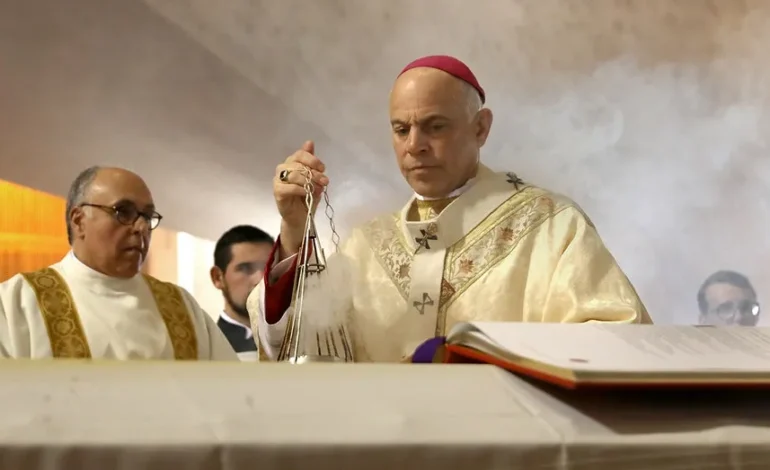

The Archdiocese of San Francisco has reached a landmark agreement to pay $395 million to settle claims from approximately 530 survivors of child sexual abuse perpetrated by clergy and church officials. This proposed settlement, one of the largest of its kind in California, aims to resolve a significant portion of the lawsuits and could bring an end to a protracted bankruptcy process.
A Path to Compensation and Reform
Archbishop Salvatore Cordileone has committed to personally writing an apology letter to each survivor as part of the agreement. Beyond financial compensation, the settlement mandates substantial reforms in child protection and institutional transparency. Key provisions include the public disclosure of a list of clergy members accused of abuse and a prohibition on using confidentiality agreements to silence survivors.
“We believe this proposal provides a path toward fair compensation for survivors who have borne the weight of this abuse for a lifetime,” Archbishop Cordileone stated. He emphasized that the entire Catholic community is called to participate in the process of making amends. While acknowledging that many allegations stem from decades past, the Archdiocese accepts full responsibility for the harm caused and pledges ongoing support for survivors while working to prevent future abuse.
“While the vast majority of sexual abuse allegations associated with this bankruptcy were from many decades ago, we accept full responsibility for what happened, and I sincerely apologize to all those who have been harmed,” Cordileone added. “We remain committed to the healing and care of survivors who have suffered because of past sins of Church ministers.”
The agreement comes in the wake of a 2019 California law that revived old claims, leading to a series of costly settlements involving Catholic dioceses across the state. Several other dioceses have also filed for bankruptcy in response to numerous lawsuits.
Broader Context of Settlements
This settlement is another significant event for Archbishop Cordileone, a prominent Catholic leader who has publicly discussed the challenges facing the Church. In a previous statement, he highlighted concerns about increasing hostility toward Catholics in American society, noting instances of attacks on Church property and desecration of sacred symbols.
In 2024, the Archdiocese of Los Angeles agreed to an $880 million settlement with abuse survivors. These large-scale settlements underscore the profound impact of past abuse and the ongoing efforts to address it.
Survivor Advocates Hail the Agreement
Attorneys representing the survivors have lauded the proposed settlement as groundbreaking. Jeff Anderson, a plaintiffs’ attorney, described the agreement as unprecedented, noting its dual focus on financial restitution and the implementation of lasting institutional changes. He highlighted that the Archdiocese of San Francisco is being required to undertake measures more comprehensive and rigorous than anything he has witnessed in decades of working with survivors.
In addition to the financial payout, the Archdiocese is committed to maintaining and regularly updating a public registry of accused clergy. Furthermore, the practice of requiring confidentiality agreements from survivors will cease, allowing for greater transparency in the handling of abuse allegations and investigations.
The Road Ahead
The proposed $395 million settlement is now awaiting approval from the U.S. Bankruptcy Court. If approved, it would represent a significant step toward accountability and healing for hundreds of survivors and mark a pivotal moment in the Archdiocese’s efforts to address historical abuse and implement robust protective measures for the future.
The reforms mandated by the settlement, including the publication of accused clergy lists and the ban on silencing confidentiality agreements, are designed to foster a safer environment and ensure greater accountability within the Church structure. This comprehensive approach aims not only to compensate survivors but also to fundamentally change how the Archdiocese handles allegations and protects children.