




In a significant development for collegiate athletics, the Southeastern Conference (SEC) and the Big Ten Conference have agreed to support the “Protect College Sports Act” following intensive, last-minute negotiations. The breakthrough came just days before the legislation was slated for potential consideration by senators, capping months of complex discussions involving lawmakers, the White House, and leaders across college sports.
A Race Against Time for Landmark Legislation
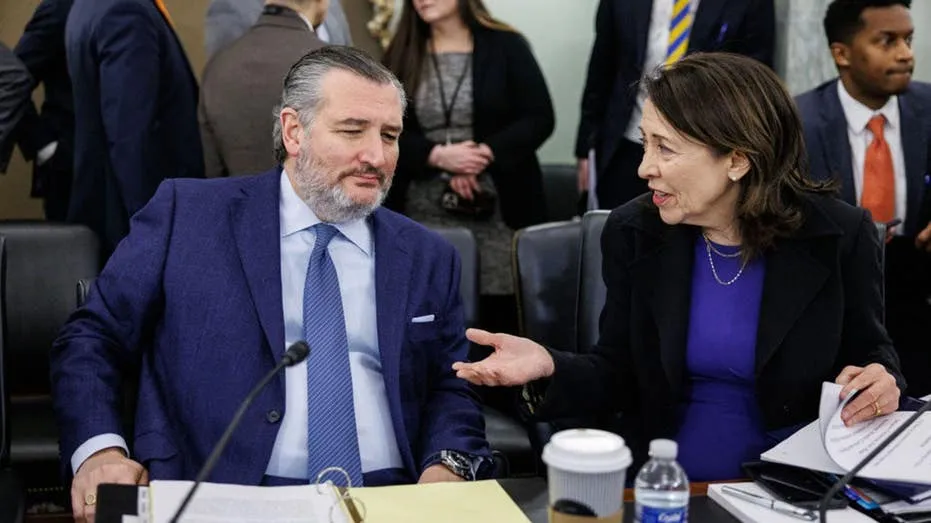
The path to agreement was fraught with challenges, marked by late-night calls, contentious virtual meetings, and a palpable sense of urgency. Senators Ted Cruz (R-Texas), Maria Cantwell (D-Wash.), and Eric Schmitt (R-MO) spearheaded the bipartisan effort to craft a bill acceptable to key stakeholders. For much of the process, reaching a consensus seemed like a distant possibility.
“Now progress can now be made in protecting women and Olympic athletes and moving this legislation closer to the President’s desk,” Senator Maria Cantwell stated, underscoring the bill’s potential impact. The intense discussions spanned the nation, with athletic directors and conference officials juggling their day-to-day responsibilities while engaging in critical deliberations.
Big Ten Commissioner Tony Petitti, for instance, maintained constant communication during media days in Chicago. On a single Wednesday, he reportedly spoke with SEC Commissioner Greg Sankey as many as ten times. The urgency was further amplified by scheduled meetings: the Big Ten convened at 1 p.m. ET on a Thursday, followed by a joint call involving the SEC, Big 12, and ACC at 4 p.m. ET. Congressional aides and Senate staff worked under immense pressure, aware of the high stakes involved in shaping the future of college sports.
White House Engagement and Presidential Push
The White House played an active role throughout the negotiation period. An official confirmed the President’s close attention to the talks, stating, “The White House has been following these negotiations closely, and the President has been actively engaged. President Trump wants to save college sports, and he wants the bill done.” This presidential involvement signaled a strong commitment to finding a resolution.
Sources indicated that White House officials and members of the President’s College Sports Committee were instrumental in strategizing the next steps to advance the bill toward a Senate vote. Key figures like New York Yankees president Randy Levine and Texas Tech booster Cody Campbell contributed significantly from the committee’s perspective. The White House reiterated its commitment, announcing, “At the President’s direction, the White House and his College Sports Committee have been working together closely to deliver a permanent solution to the challenges plaguing college sports.”
Navigating Complex Issues and Approaching Deadlines
The legislative push intensified as lawmakers raced against the clock to bring the bill to a vote before the Senate’s scheduled summer recess. Senate Majority Leader John Thune’s earlier remarks suggesting insufficient time to bring the legislation to the floor served as a catalyst, spurring further efforts to finalize the bill.
The process involved navigating intricate details, including potential loopholes related to Name, Image, and Likeness (NIL) deals involving multimedia rights companies and establishing retention caps to help athletic departments keep athletes on rosters. University presidents acknowledged the delicate balance required. “This is not easy. We have university’s to run, so athletics might be important, but we also have to rightfully consider everything else that is transpiring on our campuses,” one Power-4 school president commented. “School is about to start back, and thousands of students are heading back to our cities. Obviously, we know how important athletics are to our school and the amount of money, and eyes, that it brings in. This was, and has been, an interesting time to be a college president or chancellor. There is a lot at stake here.”
Final Push and Path Forward
The negotiations culminated in a critical period where deadlines, both explicit and implicit, drove the parties toward a resolution. Senators Cruz and Cantwell continued their diligent work, engaging with conference members via video conference and phone calls to secure the necessary support from the Big Ten and SEC. Senator Eric Schmitt engaged directly with SEC Commissioner Greg Sankey on Thursday evening, seeking common ground.
The urgency was palpable as the August recess loomed. For the bill to be considered, Senate Majority Leader John Thune would need to file for cloture by a specific Thursday deadline to allow for a vote the following week. The final agreement signifies a crucial step, with the SEC and Big Ten now prepared to lend their support and potentially lobby senators within their respective states.
As Congress prepared to return from recess in September, the momentum behind the “Protect College Sports Act” was seen as critical. The extended discussions, while complex, have brought the legislation to a point where broad support is now achievable, potentially offering a stable framework for the future of college athletics.


