




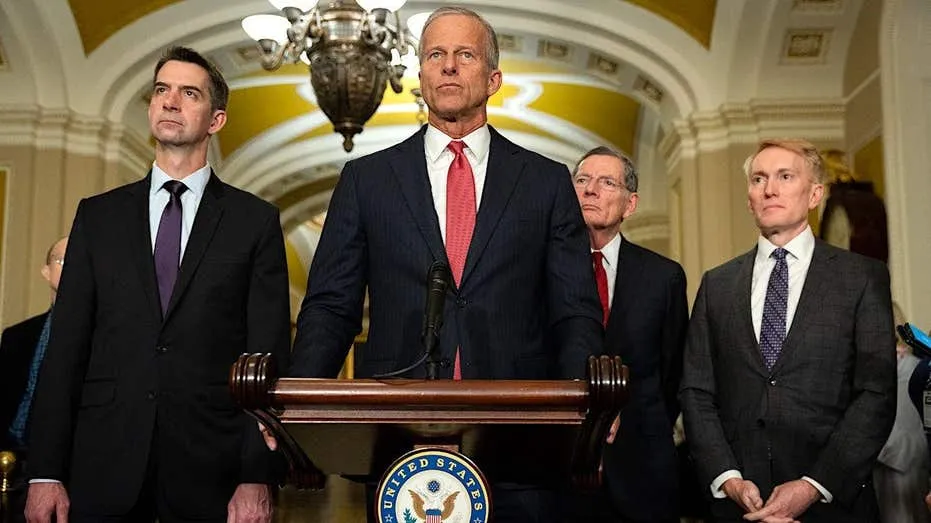
Senate Vote Signals Support for Administration’s Iran Diplomacy
In a significant development shortly before Congress adjourned for a lengthy recess, the Senate has voted down a measure aimed at restricting President Trump’s authority concerning Iran. This decision is being viewed as a victory for the administration, particularly as ongoing negotiations between the United States and Iran progress toward a potential long-term peace agreement.
The resolution, introduced by Senator Tim Kaine of Virginia, sought to curb the president’s war powers related to Iran. A similar resolution had previously garnered enough support to pass, surprising many and causing consternation among Republican lawmakers. However, this latest attempt faced a different outcome.
Behind-the-Scenes Diplomacy Drives Senate Outcome
The shift in the Senate’s stance appears to stem from intensive, closed-door discussions and direct engagement with key Republican senators. Reports indicate that President Trump personally addressed concerns during meetings, particularly with lawmakers who had previously expressed reservations about the administration’s approach to Iran and its transparency with Congress.
A particular point of contention had been the administration’s perceived lack of detailed information shared with legislators regarding the ongoing diplomatic efforts. President Trump reportedly argued that previous limitations on his war powers had negatively impacted the U.S. negotiating position with Iran.
Meetings held at the White House with previously undecided senators were instrumental in persuading them to change their votes. This behind-the-scenes work has provided the administration with a crucial win as it seeks to establish an agreement that extends beyond the current 60-day memorandum of understanding with Iran.
The outcome demonstrates a renewed alignment among some key figures in the Senate, bolstering the administration’s diplomatic strategy as it navigates complex international relations with Iran.


