




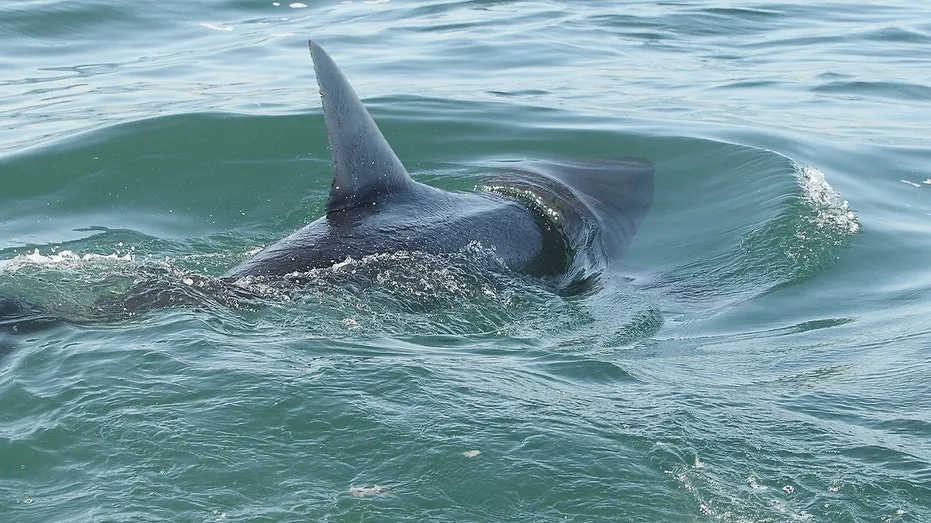
Swimmers and sunbathers along the East Coast are being urged to exercise caution as a notable increase in shark sightings, coupled with a recent swimmer injury, has put beachgoers on high alert. The heightened activity has led to temporary beach closures and increased surveillance efforts, particularly in New York and surrounding areas.
Shark Bite Incident at Jones Beach
Over the recent Fourth of July holiday weekend, a man sustained non-life-threatening injuries to his foot while swimming at Field 6 of Jones Beach State Park on Long Island. Officials from the New York State Department of Environmental Conservation have concluded that a small sand tiger shark was the likely culprit behind the bite. Following the incident, the beach was temporarily closed to allow state officials to search for additional sharks. It was later reopened for restricted swimming after approximately an hour.
Increased Activity at Rockaway Beach
This surge in shark activity comes shortly after the New York City Department of Parks & Recreation (NYC Parks) issued advisories about potential intermittent closures at Rockaway Beach in Queens, the city’s largest public beach. These warnings were prompted by multiple shark sightings. Since May, Rockaway Beach has reportedly seen 23 shark sightings, resulting in 23 closures. A significant portion of these sightings, 16 in total, occurred within the first five days of July, according to NYC Parks data. Emergency management officials confirmed receiving numerous reports of sharks at the Queens beach and advised beachgoers to heed the instructions of lifeguards.
Wider Regional Impact
The heightened shark presence is not confined to Rockaway Beach. On July 2, lifeguards at a Long Island beach near Point Lookout observed a shark, leading to the temporary closure of that beach and neighboring Hempstead beaches. Further south, in Connecticut, a fisherman reported hooking and releasing a sandbar shark measuring about 5 1/2 feet long approximately 200 yards offshore from East Haven Town Beach in late June. Fortunately, no injuries were reported in that instance.
Enhanced Surveillance Measures
Experts suggest that the increased number of shark sightings in the New York area might be attributed, in part, to enhanced surveillance capabilities. In May, New York Governor Kathy Hochul announced a significant upgrade in the state’s marine monitoring efforts. The New York State Office of Parks, Recreation and Historic Preservation, in partnership with the Department of Environmental Conservation, deployed new drones and trained operators to patrol Long Island State Park beaches throughout the summer. These advanced tools aim to provide better tracking and early detection of sharks and other marine life.
Understanding Shark Bite Risks and Alerts
While shark bites are statistically rare, especially with the implementation of alert systems, the recent incidents underscore the importance of ongoing safety measures. Gavin Naylor, director of the shark research program at the Florida Museum of Natural History, emphasized that alert systems can significantly reduce the probability of subsequent bites in a short timeframe. He noted that if an alert is issued following a confirmed bite, the chances of another person being bitten within a few hours become exceedingly small.
In Alabama, a legislative response to a severe shark attack led to the creation of the Lulu Gribbin Shark Alert System Act. Named after a survivor who sustained serious injuries, the system functions similarly to an Amber Alert, sending emergency notifications to cellphones when a confirmed shark attack occurs near a beach. U.S. Senator Katie Britt, who sponsored the legislation, highlighted the potential impact of such alerts, suggesting that a timely warning could have prevented the attack on Lulu Gribbin. The system aims to provide crucial information to beachgoers, thereby mitigating risks.
Following Shark Movements
For those interested in tracking the movements of tagged sharks, resources like the OCEARCH Shark Tracker offer a free, public online platform. This tool utilizes satellite tracking to allow individuals to follow the paths of various sharks, providing valuable data and raising public awareness about marine wildlife in coastal waters.
Conclusion: Staying Informed and Safe
The recent uptick in shark sightings and the isolated bite incident serve as a reminder for beachgoers to remain vigilant and informed. Adhering to lifeguard instructions, paying attention to posted advisories, and utilizing available tracking resources can all contribute to a safer experience at the beach. While shark encounters are infrequent, proactive measures and awareness are key to enjoying coastal environments responsibly.


