




Spain Boosts Ceuta Security Amid Calls for New Border Rush
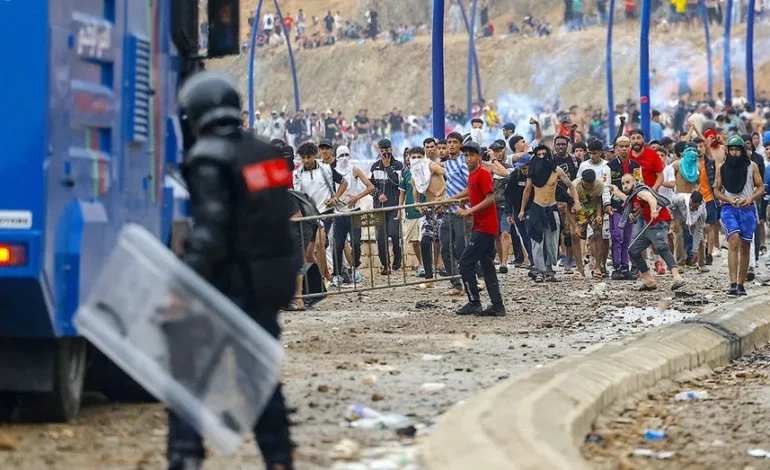

Spain has significantly reinforced security measures around its North African enclave of Ceuta, as social media platforms buzz with renewed calls for a mass border crossing by Moroccan migrants. This heightened alert follows a similar surge in July that overwhelmed the city’s resources. The move comes amid ongoing monitoring by Moroccan authorities of these online incitements.
Heightened Vigilance on Both Sides
On Friday, soldiers were observed patrolling key areas in Ceuta, including commercial centers and government buildings. An increased police presence was also evident along the city’s main thoroughfares. Meanwhile, on the Moroccan side of the border, security personnel in distinctive all-black uniforms maintained a visible presence on the beaches of Fnideq. This coastal town served as a primary departure point for migrants who entered Ceuta en masse on July 30, a day that saw an estimated 70,000 people cross into the Spanish territory.
The recent security buildup is a direct response to social media messages that have been circulating, urging Moroccans to attempt another large-scale crossing into both Ceuta and Spain’s other North African enclave, Melilla, over the weekend.
Morocco’s Stance and Actions
Morocco’s Ministry of the Interior issued a statement acknowledging the circulation of anonymous messages on social networks. These messages, the ministry stated, were inciting attempts at collective illegal crossings into Ceuta and Melilla. The ministry emphasized that such actions pose serious risks to personal safety and are being used to instrumentalize migration issues for incitement, which constitutes a criminal offense under Moroccan law. In response to these calls, Moroccan authorities have arrested several individuals believed to be involved in disseminating the inciting statements, according to Interior Ministry spokesperson Rachid El Khalfi.
Furthermore, the Interior Ministry has indicated its desire for continued cooperation with Spain to facilitate the return of Moroccan migrants currently residing in Ceuta back to their home country. This call for collaboration underscores the shared concern between the two nations regarding irregular migration and border management.
Migrant Numbers and Asylum Claims
Following the July mass migration event, which saw over 72,000 individuals cross into Ceuta, Spanish and Ceuta government officials report that the vast majority of these migrants have since returned to Morocco. As of Friday, Spain’s Interior Minister Fernando Grande-Marlaska indicated that approximately 5,000 migrants remain in Ceuta. Spanish authorities have been actively screening these individuals, processing around 500 asylum claims. However, reports suggest that the majority of these asylum applications have been denied.
To deter future crossings, Spain has also implemented physical measures, including the installation of floating barriers in the waters surrounding Ceuta, an area migrants previously used to swim across the border.
Context of the July Event
The mass migration incident in July was a significant event, reportedly resulting in the deaths of at least 96 people. The sheer volume of arrivals placed immense strain on Ceuta’s infrastructure and resources, prompting the urgent security reviews and measures now in place. The situation highlights the complex challenges faced by both Spain and Morocco in managing migration flows, border security, and humanitarian concerns.
Both Spanish and Moroccan governments, along with the autonomous city government of Ceuta, have been contacted for further comment on the evolving situation and their ongoing strategies for border management and migrant processing.