




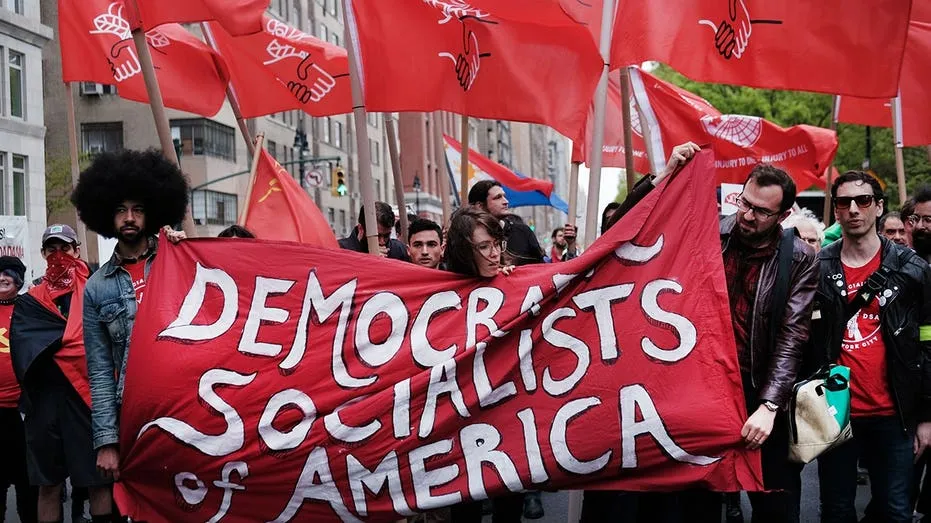
A prominent centrist Democratic organization, Third Way, has announced a significant $15 million initiative aimed at countering the influence of democratic socialism within the party, with a particular focus on the Democratic Socialists of America (DSA). This multi-year effort, set to run through 2028, signals a robust internal debate over the future direction of the Democratic Party.
Internal Party Conflict Over Ideology
The timing of Third Way’s announcement follows a series of primary election victories by progressive and DSA-aligned candidates. Notably, Abdul El-Sayed recently secured a significant win over incumbent Democratic Representative Haley Stevens in a key Michigan Senate primary. This victory, alongside other progressive successes in congressional primaries across the state and earlier in the season, has emboldened the left wing of the party and intensified the ideological struggle for its soul.
Third Way views the growing influence of the DSA as a substantial risk to the party’s broader electoral prospects. “We believe the DSA poses a serious threat to Democrats,” stated Matt Bennett, co-founder of Third Way. “Their ideas are dangerous and their politics are toxic. If we are to beat MAGA Republicans, we cannot allow our party to be defined by radicals.”
Third Way’s Strategy and Tactics
The $15 million campaign will employ a multi-pronged strategy designed to challenge the DSA’s platform and appeal. Key components include:
- Opposition Research: In-depth investigations into the DSA’s history, policy positions, and organizational structure.
- Polling and Data Analysis: Gathering data to understand public and Democratic voter sentiment towards democratic socialist ideas.
- Social Media Campaigns: Utilizing digital platforms to disseminate messaging and counter narratives.
- Education and Outreach: Informing Democratic activists, leaders, and voters about the perceived risks associated with the DSA’s agenda.
Bennett clarified that the initiative is not targeting individual candidates who have secured nominations, even those aligned with progressive or socialist movements. Instead, the focus is on the broader ideological and organizational influence of the DSA.
DSA’s Response and Perspective
The Democratic Socialists of America have responded to the announcement with a mix of defiance and confidence. Megan Romer, co-chair of the DSA, framed the substantial investment as a misguided attempt to suppress popular aspirations. “$15 million to tell working-class people that a better world isn’t possible?” Romer questioned. “We believe in people power, and our vision for a better future is winning. We will keep building our movement, and they will waste their money.” The DSA maintains that their grassroots approach and focus on systemic change are resonating with voters, leading to tangible electoral successes.
Concerns Over Electoral Impact
The internal friction highlights a significant concern among moderate Democrats: the potential for nominating far-left candidates in competitive races could jeopardize the party’s chances of regaining congressional majorities. There is also apprehension that the recent primary victories by progressive contenders could influence the 2028 Democratic presidential nomination landscape, potentially elevating candidates who appeal to the party’s left flank.
Bennett specifically pointed to El-Sayed’s win in Michigan, an early state in the presidential primary calendar, as potentially sending the wrong signal to aspiring presidential candidates about how to navigate primary contests in crucial states. This suggests a broader worry that the energy and momentum generated by progressive victories might disproportionately shape the narrative and candidate pool for future national elections.
Broader Context and Future Implications
The debate between centrist and progressive factions within the Democratic Party is not new, but the scale of Third Way’s planned investment underscores the perceived stakes. As the party grapples with its identity and strategy heading into the midterm elections and beyond, the effectiveness of such internal campaigns in shaping public opinion and party platforms remains to be seen. The outcome of this ideological contest could have significant implications for the Democratic Party’s ability to unify and compete effectively in the coming election cycles.
This strategic push by Third Way indicates a concerted effort by a segment of the party establishment to draw a clear line against what they perceive as radical elements, aiming to preserve what they consider a more electable path forward. Meanwhile, organizations like the DSA are poised to continue their grassroots organizing and electoral challenges, asserting that their vision represents the future of the Democratic Party and the aspirations of a growing number of voters.


