




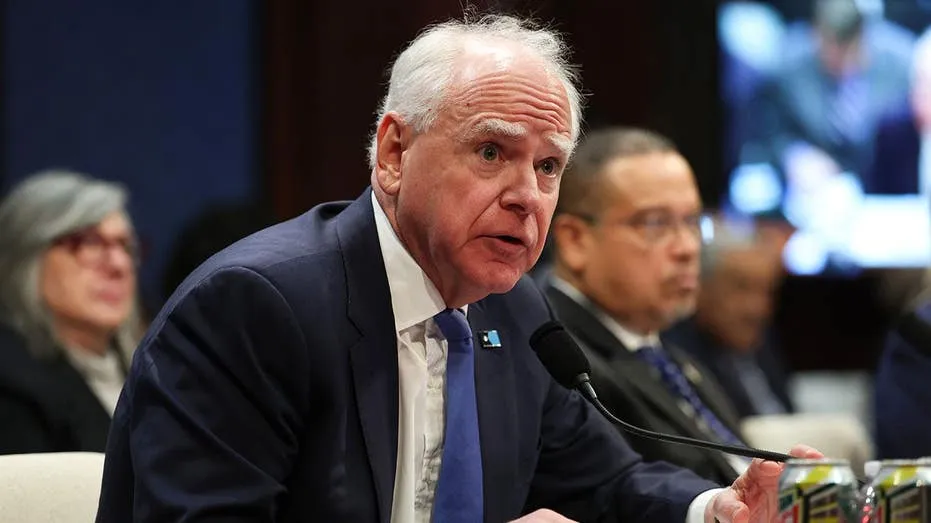
Minnesota Governor Tim Walz, alongside the state’s Board of Pardons, has granted a pardon to Tou Lue Vang, a Laos national convicted of sexually assaulting a child and facing deportation. The decision, made at the board’s June 10 meeting, effectively offers Vang a clean slate following his 2006 conviction for first-degree criminal sexual conduct. The pardon recommendation originated from the Minnesota Clemency Review Commission (CRC), which had previously voted to approve Vang’s petition.
Details of the Conviction and Pardon
Tou Lue Vang, 42, was convicted in 2006 for repeated sexual assaults against a 10-year-old girl that occurred between 2002 and 2006. Court documents indicate that Vang offered the child $10 to remain silent about the abuse. He entered a guilty plea to the first-degree criminal sexual conduct charge as part of a plea agreement that averted a prison sentence. Following his conviction, Vang lost his legal immigration status, leading to a final order of removal in 2006. He had initially entered the U.S. in 1994 and was granted legal status under the Clinton administration, which was later revoked.
The pardon was formally communicated to Vang via a letter from Carli Stark, the executive director of the state CRC. Stark’s letter stated, “Being granted a pardon is a notable achievement and a reflection of the work you have done since your conviction.” The Board of Pardons, chaired by Governor Walz and including State Attorney General Keith Ellison and State Chief Justice Natalie Hudson, has the ultimate authority in granting pardons, though it considers the CRC’s recommendations.
Reactions and Immigration Status
The pardon has drawn sharp criticism from federal officials. Lauren Bis, Acting Assistant Secretary for the Department of Homeland Security (DHS), issued a statement calling the governor’s decision “disgusting.” Bis asserted that such actions protect “criminal illegal aliens” and highlighted that Vang’s legal status was lost due to his conviction. She further stated, “These are the criminal illegal aliens he and his Minnesota sanctuary politicians are protecting.”
When initially arrested in 2005, Vang reportedly admitted to sexual contact with the minor but attributed it to cultural norms in Thailand, according to court filings. Vang’s petition for a pardon cited his rehabilitation efforts and acknowledgment of responsibility for his past actions. The CRC’s vote to approve his petition in April saw four members in favor, two against, and three absent.
Vang was previously detained by federal authorities in Minnesota in 2019 as part of the Trump administration’s immigration enforcement operations. This case has become a focal point in ongoing debates surrounding immigration policies and sanctuary cities, particularly concerning the handling of undocumented immigrants convicted of crimes.
Broader Context of Pardons and Immigration
The Minnesota Clemency Review Commission has a history of granting pardons to undocumented immigrants. In a separate case in May, the state pardoned Jai Vang, a Laotian citizen with a criminal record that included convictions for robbery and driving under the influence. These instances have fueled criticism from those who argue that such pardons undermine public safety and immigration enforcement.
Governor Walz has previously taken stances that have drawn scrutiny regarding immigration. Notably, his administration has been involved in policies that have been characterized by critics as protective of undocumented immigrants. The pardon of Tou Lue Vang adds another layer to these discussions, highlighting the complexities of balancing rehabilitation, public safety, and immigration law within the state’s clemency process.
Conclusion
The pardon granted to Tou Lue Vang by the Minnesota Board of Pardons represents a significant decision with implications for both immigration policy and criminal justice reform in the state. While Vang receives a clean slate, the case continues to spark debate regarding the appropriate handling of convicted immigrants and the role of state clemency in deportation proceedings. The differing perspectives from state officials and federal immigration authorities underscore the contentious nature of these issues.


