



Timothy Olyphant’s Tech-Free Life: No Computer, Just a Phone
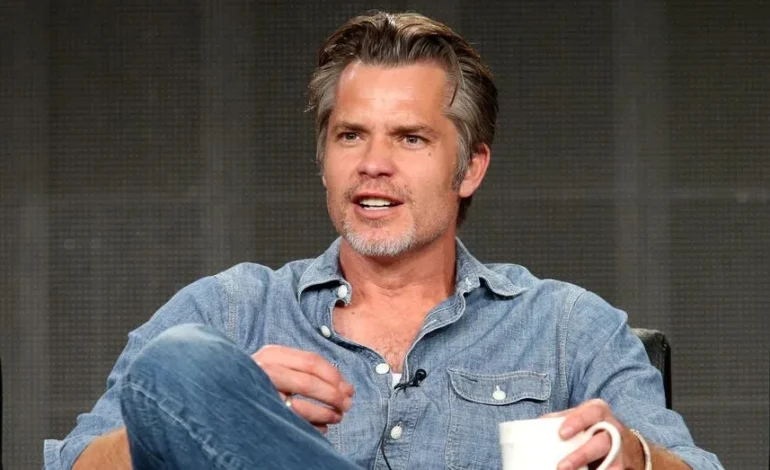

In an era where digital connectivity is practically a given, actor Timothy Olyphant has revealed a surprisingly low-tech approach to his personal life, admitting he doesn’t own a computer. The star, known for his roles in ‘Justified’ and ‘The Mandalorian,’ shared this revelation during an appearance on the ‘SmartLess’ podcast, hosted by Jason Bateman, Will Arnett, and Sean Hayes.
A Digital Detour for a Podcast Appearance
Olyphant’s computer-free lifestyle came to light when he needed a device to participate in the podcast recording. “I needed a computer,” Olyphant told the hosts, humorously noting, “I guess you can’t do your show if you don’t own a computer.” This statement prompted disbelief from Bateman, who questioned the actor’s artistic habits. “You don’t have, and you being an artist, you don’t have an iPad with one of those little, one of those little stylist pen thingies?” Bateman inquired.
The ‘Five-Star Weekend’ actor explained that while he does possess a desktop computer, it has been largely dormant for years. The effort to get it operational for the podcast involved retrieving the old machine, plugging it in, and dealing with its outdated USB ports. “We went… I had a… we went and got out an old desktop computer that we still have in the house and plugged it in and started it up, and they were all USB things,” Olyphant recounted. He quipped that appearing on the show required significant preparation, stating, “There’s a lot of sacrifices that went into this guys.” Despite the technical hurdles, Olyphant expressed his gratitude and admiration for the podcast, mentioning he reads the transcripts and finds the show “very, very, very good.”
The Allure of the Smartphone
Bateman continued to probe Olyphant’s aversion to modern computing, asking if he had ever considered acquiring a laptop or desktop to explore the internet. “But wait, but Tim, you’ve never been tempted to buy a laptop or a desktop just to see the landscape out there, like all the different sites you can go visit to expose yourself to?” Bateman asked.
Olyphant’s response was straightforward: he relies on his phone for digital access. “Felt condescending,” he replied to Bateman’s implication. When the conversation turned to artificial intelligence (AI) and the buzz surrounding it, Bateman wondered if Olyphant had any curiosity about the technology. “All this talk about AI and stuff. Not curious to see what the fuss is about?” the ‘Arrested Development’ actor added.
Olyphant reiterated his preference for his mobile device, emphasizing, “But you can do all that on… on the little phones.” For him, the smartphone suffices for accessing information and engaging with the digital world, negating the perceived need for more complex devices.
A Career Built on Presence, Not Pixels
Timothy Olyphant’s career trajectory has largely been defined by his compelling on-screen presence rather than his digital footprint. He gained significant recognition with his breakout role in the 1999 cult crime comedy ‘Go.’ His subsequent performances in the critically acclaimed series ‘Deadwood’ and the fan-favorite ‘Justified’ solidified his status as a leading man.
Olyphant’s diverse filmography also includes notable projects such as the horror-comedy ‘Santa Clarita Diet,’ the blockbuster ‘The Mandalorian’ and its spin-off ‘The Book of Boba Fett,’ and a memorable appearance in Quentin Tarantino’s ‘Once Upon a Time in Hollywood.’ Throughout his career, Olyphant has consistently delivered memorable performances, often portraying characters with a strong sense of conviction and a distinct, no-nonsense attitude, which perhaps mirrors his own approach to technology.
The Broader Implications of a Digital Detox
Olyphant’s deliberate choice to forgo extensive computer use raises interesting questions about our society’s increasing reliance on technology. While many embrace the constant connectivity and vast resources available online, Olyphant’s lifestyle suggests an alternative path focused on essential communication and a selective engagement with the digital realm.
His reliance on a smartphone for tasks that others might delegate to a computer highlights the evolving capabilities of mobile devices. These pocket-sized powerhouses can now handle a wide array of functions, from browsing the web and managing social media to engaging with complex applications and even exploring emerging technologies like AI, albeit perhaps with a different user experience than on a larger screen.
The actor’s stance also touches upon broader discussions about digital well-being and the potential benefits of disconnecting. In a world saturated with information and digital distractions, Olyphant’s approach could be seen as a form of intentional digital minimalism, prioritizing real-world interactions and a more focused use of technology. His ability to maintain a successful career and engage with the world without a traditional computer setup serves as a unique testament to adaptability and personal preference in the digital age.
Conclusion: A Unique Approach to Modern Life
Timothy Olyphant’s decision to live without a computer is a distinctive choice in today’s hyper-connected world. While he acknowledges the necessity of technology for certain professional engagements, his primary mode of digital interaction remains the smartphone. This approach, he suggests, is sufficient for his needs and allows him to navigate both his personal life and his career effectively. His story offers a refreshing perspective on technology adoption, emphasizing that personal comfort and practicality can guide one’s relationship with the digital landscape, even for a prominent figure in the entertainment industry.