




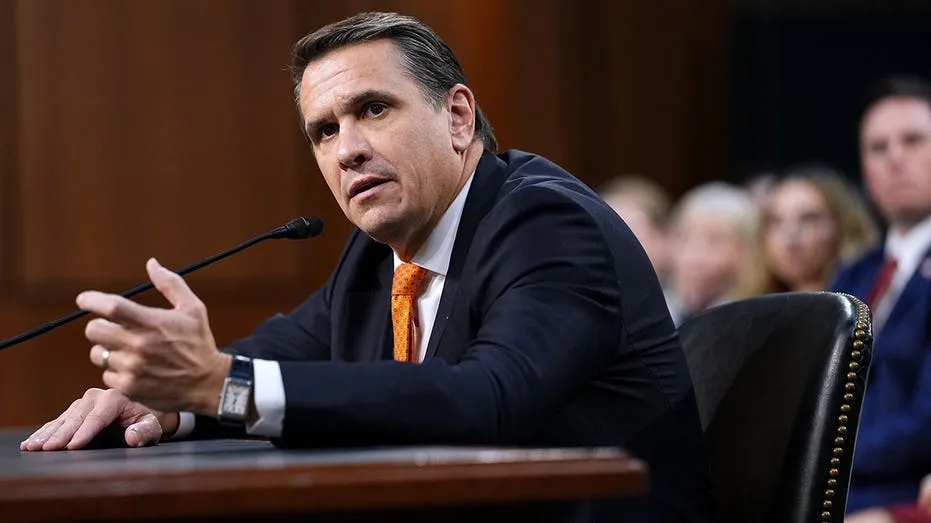
Todd Blanche, nominated to a key position within the Justice Department, appears to be moving closer to Senate confirmation following a significant shift in policy regarding a controversial $1.8 billion fund. The nominee formally withdrew the directive establishing this fund, which had drawn considerable criticism. Additionally, Blanche has clarified tax protections linked to a settlement with the Internal Revenue Service (IRS), narrowing their scope to apply only retroactively rather than to future tax filings.
Key Concessions Pave Way for Confirmation Vote
The developments come as Senators John Cornyn (R-Texas) and Thom Tillis (R-N.C.) had previously placed holds on Blanche’s nomination. A spokeswoman for Senator Cornyn confirmed that an agreement has been reached between the parties involved. This breakthrough is particularly timely as the Senate Judiciary Committee is slated to vote on Blanche’s nomination this coming Tuesday. The resolution of these concerns suggests a smoother path forward for the nominee.
Blanche Addresses Concerns in His Own Words
In a statement released on Sunday, Todd Blanche expressed his perspective on the recent discussions. “My team and I have met with committee members and Senators over the past several weeks and addressed any concerns or outstanding questions,” Blanche stated. He characterized the engagement as positive, noting, “We have enjoyed good faith discussions, and as a result issue the following order and update with regard to the May IRS settlement.” Blanche also extended an olive branch, adding, “The Department always welcomes and appreciates productive engagement with all members of Congress.”
Understanding the Rescinded Fund and Tax Protections
The core of the recent negotiations revolved around two main points: the $1.8 billion “anti-weaponization fund” and the IRS settlement’s tax protections. Blanche’s order officially rescinded the May 18 directive that had established the aforementioned fund. While the exact purpose of this fund was not detailed in the original reporting, its rescission indicates it was a significant point of contention for some lawmakers.
Furthermore, the nominee clarified the scope of tax-related protections stemming from the IRS settlement. Previously, these protections might have been interpreted to cover both past and future tax obligations. Blanche’s updated directive explicitly states that these protections are strictly retroactive, meaning they apply only to tax filings that have already occurred, not to those that are yet to be made. This distinction is crucial for ensuring clarity and preventing potential future disputes over tax liabilities.
The Significance of the IRS Settlement
While the specifics of the IRS settlement itself were not elaborated upon in the initial report, its connection to tax protections suggests it involved a resolution of past tax issues. Settlements with the IRS can arise from various circumstances, including audits, disputes over tax laws, or agreements on tax liabilities. The inclusion of tax protections within such a settlement implies an effort to provide certainty to the parties involved regarding their tax standing, but the debate over the scope of these protections highlighted differing views on how that certainty should be applied.
Legislative Scrutiny and Nominee Vetting
The process of Senate confirmation for high-level government positions, especially within the Justice Department, often involves rigorous scrutiny. Senators have a constitutional duty to advise and consent on presidential nominations, which includes investigating potential nominees’ records, policy positions, and any potential conflicts or controversies. The holds placed by Senators Cornyn and Tillis underscore this vetting process, indicating that they sought specific assurances or policy changes before signaling their support.
The ability of nominees like Todd Blanche to engage in productive dialogue with senators and address their concerns is a critical aspect of the confirmation process. It demonstrates a willingness to collaborate and a capacity to navigate complex policy issues. The fact that Blanche’s team engaged in “good faith discussions” and was able to reach an agreement suggests a successful negotiation that satisfied the key concerns raised by the senators.
Looking Ahead: The Judiciary Committee Vote
With the agreement now in place, the focus shifts to the upcoming vote by the Senate Judiciary Committee. This committee plays a pivotal role in vetting judicial and executive nominees, conducting hearings, and making recommendations to the full Senate. A favorable vote from the committee is a significant hurdle cleared on the path to confirmation. Should Blanche secure a positive recommendation from the Judiciary Committee, his nomination will then proceed to the full Senate for a final vote.
The resolution of the issues surrounding the $1.8 billion fund and the IRS settlement’s tax protections appears to have garnered sufficient support to move Blanche’s nomination forward. The outcome of the committee vote will be closely watched as a key indicator of his prospects for final confirmation.


