




Trump Administration Alters Asylum Process, Bypassing Interviews
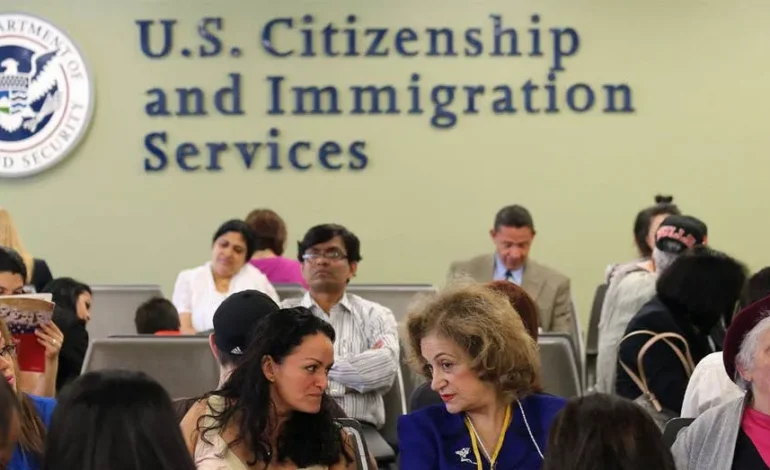

The Trump administration has implemented a significant change to the asylum process, allowing U.S. Citizenship and Immigration Services (USCIS) to send certain asylum applications directly to immigration judges without conducting initial interviews. This new interim final rule aims to expedite the resolution of asylum cases and reduce the substantial backlog that has accumulated within the immigration system. The policy change takes effect immediately.
Streamlining the Asylum Adjudication Process
Under the revised procedure, USCIS gains the authority to refer some affirmative asylum claims directly to immigration court. Affirmative asylum claims are those filed by individuals who are not currently in removal proceedings. This contrasts with defensive asylum claims, which are presented to an immigration judge after the government has already initiated removal proceedings.
Previously, USCIS typically interviewed affirmative asylum applicants. Following the interview, the agency would either grant asylum or refer the case to an immigration judge for a separate review. Officials from the Department of Homeland Security (DHS) noted that this dual review process—first by USCIS and then by an immigration judge—contributed to the growing backlog and extended processing times.
The new rule allows USCIS to bypass the interview stage for specific asylum applications, enabling both asylum officers and immigration judges to handle cases more efficiently. The stated goal is to better allocate resources toward individuals with credible claims of persecution.
Addressing Systemic Delays and Exploitation
Administration officials characterized this policy shift as part of a broader strategy to reinforce the integrity of the asylum system and accelerate immigration enforcement. They contend that the existing process has been exploited by some immigrants seeking to prolong their stay in the country and obtain work authorization, rather than genuinely seeking protection from persecution.
USCIS Director Joseph Edlow emphasized this point, stating, “For far too long, the asylum system has been exploited for purposes of delay and work authorization, not legitimate claims of protection.” He added, “America’s asylum system exists to protect individuals who genuinely fear persecution and this rule will help ensure that resources are directed to the timely adjudication of those claims instead of to those seeking to use the system as a loophole.”
James Percival, General Counsel for DHS, highlighted how delays in the asylum system impede effective immigration enforcement. He remarked, “One of the greatest barriers to effective immigration enforcement is intentional delay by illegal aliens and the open borders attorneys who represent them.” Percival affirmed that his office collaborates daily with DHS immigration components to enhance efficiency and fulfill the president’s directives, asserting that the new rule directly supports these objectives.
Public Comment and Future Revisions
While the interim final rule is effective immediately, USCIS has indicated that it will continue to accept public comments. The agency plans to review this feedback before issuing a final version of the rule, suggesting a willingness to consider input from stakeholders.
This regulatory adjustment represents a significant departure from the standard operating procedure for affirmative asylum cases. By removing the mandatory interview step for certain applicants, the administration anticipates a notable reduction in case processing times and a more streamlined approach to managing the influx of asylum claims. The effectiveness of this expedited process and its impact on the fairness and accuracy of asylum determinations will likely be subjects of ongoing observation and discussion.