

Trump Points Finger at Vandals for Dead Grass on National Mall
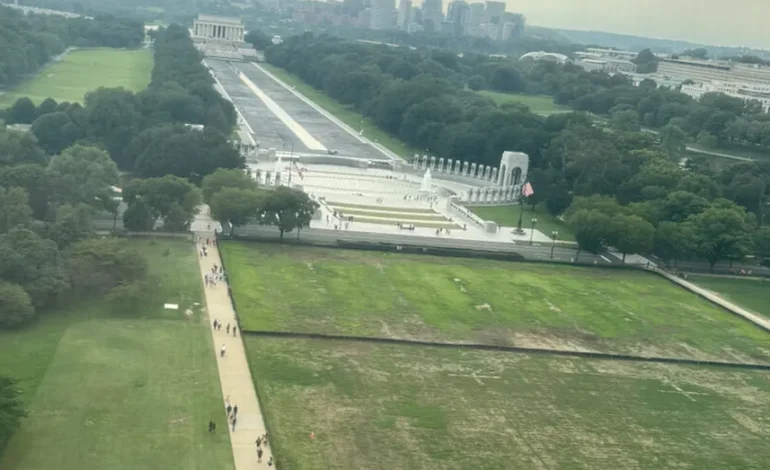

President Donald Trump has attributed the widespread dead grass on a section of the National Mall to vandals, specifically targeting the area near the World War II Memorial where a large Fourth of July celebration was recently held. The president made these assertions via his social media platform without presenting concrete evidence or elaborating on the specific nature of the alleged vandalism.
Trump shared a photograph depicting the expanse of turf by the World War II Memorial, which showed significant patches of brown and deceased grass, a stark contrast to its previously verdant state. “Look what VANDALS did to the grass connecting the vandalized World War II Monument and the vandalized Reflecting Pool, which will be opened again, and better than ever, shortly,” Trump posted. He added, “Anybody who thinks the Reflecting Pool wasn’t vandalized should go back to Law School!”
Fourth of July Event Infrastructure
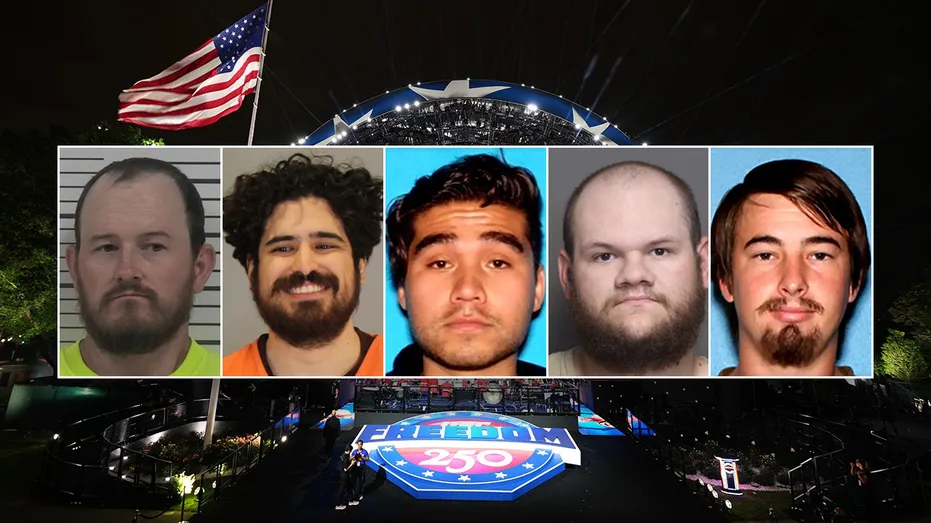
The area in question was the focal point of the president’s Independence Day festivities last month. A substantial stage and seating arrangements were erected, covering a considerable portion of the lawn to accommodate the crowds gathered for the president’s address and a fireworks display commemorating the nation’s 250th anniversary. Following the event, images captured workers dismantling the temporary structures, revealing the damaged grass beneath.
While photographs from the event clearly illustrate that the event infrastructure occupied much of the affected lawn, they do not definitively establish the cause of all the grass damage. The presence of heavy equipment, prolonged foot traffic, and the sheer weight of the structures are common factors that can stress and damage turf, especially during hot weather conditions.
Pattern of Blame and Disputed Cases
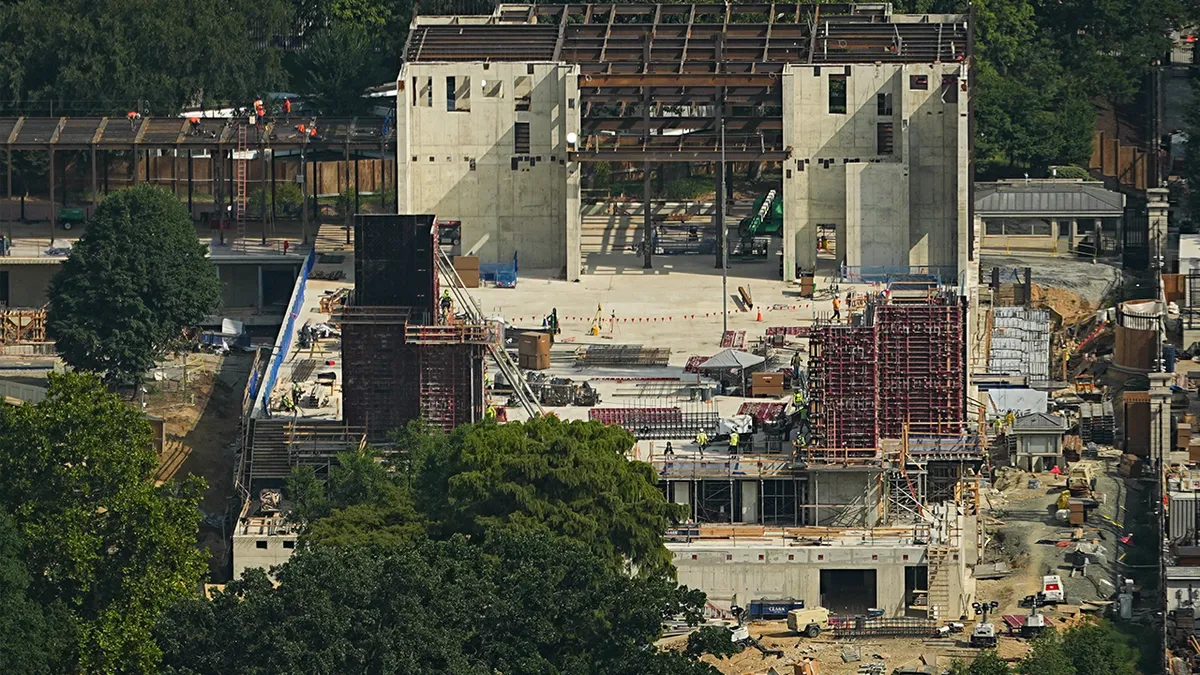
This is not the first instance where Trump has pointed to vandalism as the cause of damage to projects in Washington, D.C., often without substantiating evidence and sometimes in contradiction to accounts from his own officials. Earlier in August, Trump publicly criticized the U.S. Attorney for the District of Columbia, Jeanine Pirro, after her office sought to dismiss a vandalism case. Newly revealed evidence in that particular case indicated extensive liner damage resulting from installation issues and a hurried effort to complete the project before the July Fourth events, which complicated the prosecution.
Trump cited this situation as an example of what he believes is a broader issue, writing, “There may have been some contractor difficulty, but the major damage was caused by VANDALS!” He had previously shared a different photograph of the same area, which appeared to show the numbers “86 47” painted on the ground. Federal officials interpreted these numbers as a potential threat against Trump. Notably, these markings were not visible in the photograph Trump posted on Sunday.
Recent Vandalism Case
Separately, on Friday, an arrest was made in connection with vandalism at the World War II Memorial itself. Authorities reported that the words “Clean hands dirty $” were discovered painted on the monument, and a fountain was filled with bubbles. According to Pirro, felony charges are being pursued against Melissa Farris in this specific incident. However, the charging documents related to Farris’s arrest do not reference the grassy area Trump highlighted in his recent social media post. Officials noted that Farris had previously been arrested for camping on federal property in the vicinity of the World War II Memorial, but not for the damage to the grass.
Expert Perspectives on Turf Damage
Turf management experts often explain that large-scale events involving temporary structures can lead to significant grass damage due to soil compaction, lack of sunlight, and physical abrasion. The weight of stages, bleachers, and heavy equipment can crush grass roots and prevent photosynthesis, leading to browning and death. Furthermore, the removal of sod for installation of temporary infrastructure, followed by its replacement, can also result in visible damage and a period of recovery for the turf.
The National Park Service, which oversees the National Mall, typically employs extensive measures to protect the grounds during major events. These can include laying down protective coverings, limiting access to sensitive areas, and implementing rapid repair and reseeding programs after events conclude. The extent of damage often depends on the duration of the event, the type of equipment used, and the prevailing weather conditions.
In conclusion, while President Trump has publicly blamed vandals for the condition of the grass on the National Mall, the specific circumstances surrounding the damage remain a subject of discussion. The presence of event infrastructure undeniably played a role, and expert analysis suggests that such large gatherings inherently pose risks to turf health. The investigation into specific vandalism incidents continues, with authorities pursuing charges in a separate case involving graffiti and a filled fountain at the World War II Memorial.