


Trump Plans Meeting with Kim Jong Un Later This Year

President Donald Trump indicated Wednesday that a meeting with North Korean leader Kim Jong Un is on the horizon, potentially taking place later in the year. This statement suggests a continuation of direct diplomatic engagement between the United States and Pyongyang.
Direct Diplomacy Continues
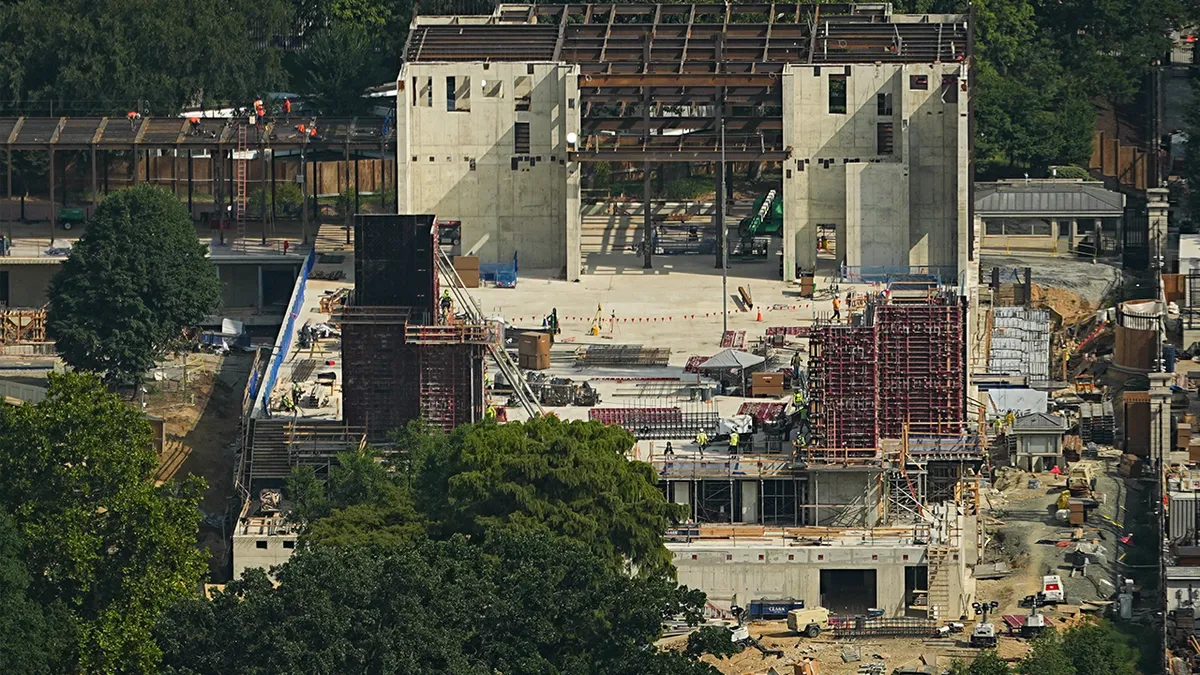
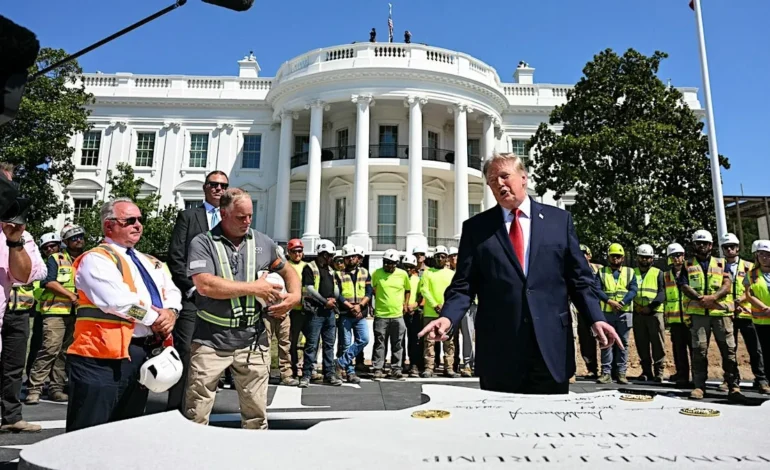
Speaking to reporters during an unannounced tour of construction at the White House, Trump expressed his expectation of meeting with Kim. “I get along with him very well,” Trump stated, adding with a degree of certainty, “I expected to meet with him later this year. Yeah, I will be.” The President did not offer specifics regarding the timing or location of any such encounter.
Personal Relationship as an Asset
When questioned about the nature of their communication, including whether letters had been exchanged, Trump remained circumspect, responding, “Can’t tell you that.” Throughout his remarks, the President emphasized the importance of his personal rapport with Kim Jong Un, characterizing the North Korean leader as a “very powerful player.” Trump views their ability to establish a connection as beneficial to diplomatic efforts, stating, “It’s a good thing, not a bad thing.” This personal diplomacy approach has been a hallmark of his administration’s foreign policy, particularly concerning North Korea.
Background on US-North Korea Relations
The relationship between the United States and North Korea has historically been fraught with tension, marked by periods of escalating rhetoric and nuclear brinkmanship, interspersed with moments of diplomatic overture. Under previous administrations, direct high-level engagement with North Korea was rare, often preceded by extensive preparatory talks and conditional on Pyongyang demonstrating a commitment to denuclearization.
The Trump administration, however, adopted a more unconventional approach. Following a period of intense mutual threats in 2017, President Trump pivoted to direct engagement, culminating in a historic summit with Kim Jong Un in Singapore in June 2018. This meeting was the first-ever encounter between a sitting U.S. president and a North Korean leader. While the summit produced a joint statement committing to denuclearization and improved relations, concrete progress on dismantling North Korea’s nuclear program has been limited.
Subsequent summits, including meetings in Hanoi in February 2019 and at the Korean Demilitarized Zone (DMZ) in June 2019, failed to yield a breakthrough agreement. The Hanoi summit, in particular, ended abruptly without a deal, highlighting the significant gaps that remained between the two sides’ positions on sanctions relief and denuclearization steps.
Significance of Future Meetings
The prospect of another meeting, even without a defined agenda or timeline, signals a continued willingness from both sides to maintain channels of communication. For the Trump administration, these direct engagements have been framed as a way to bypass traditional diplomatic stalemates and build personal trust, which they believe is crucial for achieving progress on complex issues like denuclearization.
North Korea, meanwhile, has often used diplomatic engagements to seek sanctions relief and international recognition. The country has continued to develop its weapons programs, despite international sanctions and previous commitments. Analysts suggest that Pyongyang may see continued engagement with the U.S. as a way to ease economic pressure and gain leverage in future negotiations.
Challenges Ahead
Despite the President’s optimism about his personal relationship with Kim Jong Un, significant hurdles remain. The core issue of denuclearization, including the scope, timeline, and verification mechanisms, continues to be a major sticking point. The U.S. has insisted on complete, verifiable, and irreversible denuclearization (CVID), while North Korea has sought phased disarmament in return for phased sanctions relief.
Furthermore, the effectiveness of personal diplomacy in resolving deeply entrenched geopolitical issues is a subject of ongoing debate among foreign policy experts. While personal rapport can facilitate dialogue, it does not inherently resolve fundamental disagreements over security, economics, and international norms. The international community, particularly allies like South Korea and Japan, will be closely watching any developments, hoping for tangible steps toward peace and stability on the Korean Peninsula.
The President’s announcement, made during a casual moment at the White House, underscores the fluid and often unpredictable nature of these diplomatic efforts. As the year progresses, further details regarding the potential meeting are expected to emerge, offering more clarity on the direction of U.S.-North Korea relations.