




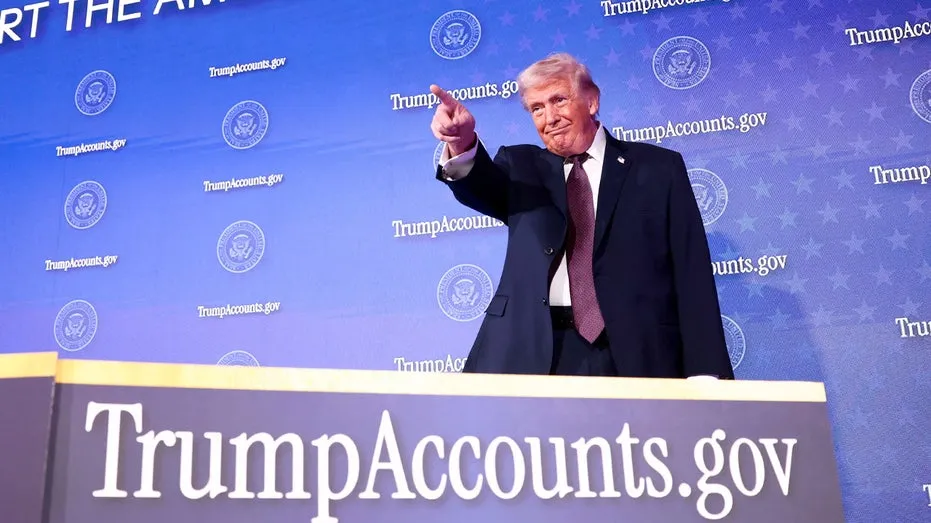
The economic landscape under President Donald Trump presents a compelling narrative of growth and improvement, yet this story appears largely overlooked or downplayed by much of the mainstream media. Key indicators such as low unemployment, rising real wages, a robust stock market, and increased investment paint a picture of economic vitality. While inflation has been a concern, recent data shows a cooling trend, with figures significantly lower than those recorded during President Joe Biden’s tenure.
Economic Indicators Show Strength
Looking at the broader economic picture, several metrics suggest a positive trajectory. Unemployment rates have remained historically low, providing a sense of job security for many Americans. Concurrently, real wages have seen an upward trend, meaning that earnings are increasing at a pace that outstrips inflation, thereby enhancing purchasing power. The stock market has also reached new heights, reflecting investor confidence and corporate growth. Furthermore, business investment has shown signs of booming, a crucial indicator of long-term economic health.
Inflation, a persistent worry for consumers, has shown signs of moderating. While it may currently hover above the Federal Reserve’s target, recent months have seen a decrease, with expectations of further stabilization as oil prices adjust. For context, the inflation rate, even when excluding volatile food and energy prices, remains substantially lower than the average recorded under the Biden administration.
Income Growth and Reduced Inequality
A notable development highlighted by a conservative think tank, the Committee to Unleash Prosperity, indicates significant gains for lower-income households. During the initial 16 months of Trump’s current term, real incomes for the bottom 25% of earners saw an increase of nearly $2,100. This stands in contrast to a reported shrinkage in real incomes for the same group under Biden. This suggests a potential narrowing of the income gap, a trend that runs counter to common perceptions.
Further evidence supporting this trend comes from the Bank of America Institute. Their analysis revealed a strong year-over-year increase in total credit and debit card spending in June, marking the most robust growth seen in over four years. Crucially, the Institute also reported that the disparities in wage and spending growth across different income brackets have diminished. This suggests that economic gains are becoming more broadly distributed, challenging narratives that focus solely on benefits accruing to the wealthy.
Public Perception vs. Economic Reality
Despite these positive economic indicators, public sentiment often reflects a more pessimistic outlook. Surveys from organizations like CNBC and a Washington Post-Ipsos poll indicate that a majority of the public views the current economy negatively, with low approval ratings for the president on economic matters. This disconnect between statistical data and public perception is a significant challenge.
Several factors may contribute to this discrepancy. The pervasive negativity in media coverage, particularly from outlets perceived as politically aligned against the administration, can shape public opinion. Additionally, there may be a failure


