




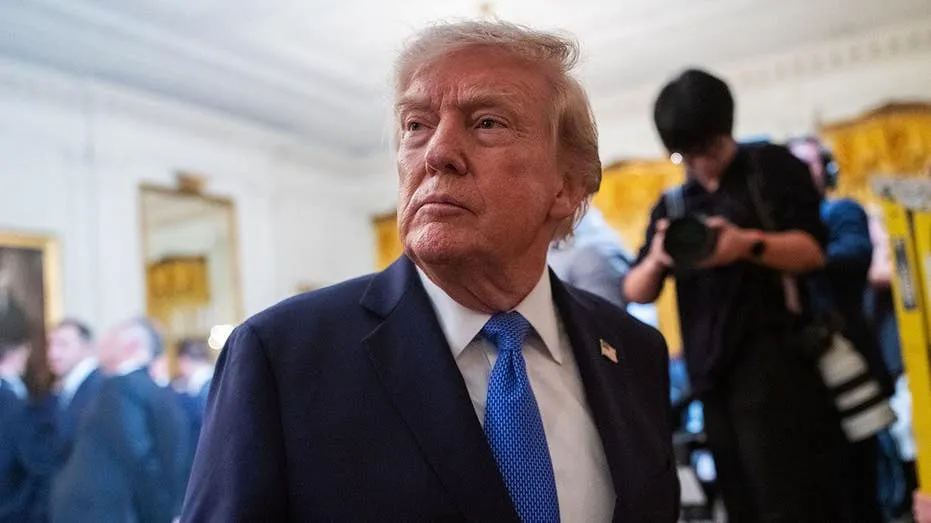
Senate Republicans departed Washington for their August recess, leaving behind a significant legislative goal: the passage of the SAVE America Act. This bill, a focal point for President Donald Trump, has been a source of considerable pressure on the party in the Senate. Despite assurances from some Republicans that they would remain in session to pass the voter integrity legislation, lawmakers ultimately adjourned, pushing the bill’s consideration to September.
SAVE America Act Faces Delay
The SAVE America Act, championed by President Trump, aims to bolster voter integrity measures. Its stalled progress highlights the challenges Republicans face in uniting their caucus and overcoming potential Democratic opposition. Senator Mike Lee of Utah, a key proponent, expressed confidence in the bill’s eventual passage, stating, “We’re not dropping SAVE. It’s a matter of time.” However, the legislative calendar is rapidly shrinking, with the Senate set to return in mid-September. Upon their return, senators will face a packed agenda, including crucial votes on cryptocurrency regulations and legislation concerning money in college sports, neither of which could be addressed before the recess.
Budget Blueprint Paused Amidst Presidential Concerns
Another administration priority, a renewed attempt to pass a budget through the reconciliation process, was also put on hold. This procedural maneuver allows certain legislation to bypass the Senate filibuster, a tactic Republicans hoped to employ for the SAVE America Act. The party had prepared to vote on a $150 billion budget blueprint, spearheaded by Senator Ron Johnson of Wisconsin, who chairs the Senate Budget Committee. However, President Trump intervened, expressing concerns that the proposed budget would not pass. Following discussions with the President, Johnson, along with Senators Mike Lee and Rick Scott of Florida, met with Senate Majority Leader John Thune. According to Johnson, President Trump agreed that the most effective approach was to “work diligently through August into September to do an actually better budget reconciliation bill.”
Defense Spending and Reconciliation Hurdles
Republicans are keen on increasing defense spending within their budget framework. Senator Johnson indicated that Secretary of Defense Pete Hegseth presented a compelling argument for an additional $350 billion in funding, citing the ongoing conflict in Iran and dwindling munitions supplies. The strategy of incentivizing states to adopt components of the SAVE America Act through the budget process remains uncertain, as the Senate’s rules administrator will have the final say on whether these provisions comply with reconciliation guidelines.
The prospect of using reconciliation for a budget that omits cost-of-living adjustments or affordability measures has not been popular among Senate Republicans, particularly with midterm elections on the horizon. Senate Majority Leader Thune acknowledged a desire within the Republican conference to leverage reconciliation for defense funding and elements of the SAVE America Act. While Thune has not always been an enthusiastic advocate for using reconciliation multiple times, his stance appeared to subtly shift. “I think at some point, we’re going to need to do another reconciliation bill,” he remarked.
Legislative Wins and Missed Opportunities
Despite the setback with the SAVE America Act and the budget plan, Senate Republicans did achieve several objectives before adjourning. They approved a short-term funding extension through early December, effectively neutralizing a potential Democratic tactic to force a government shutdown. Additionally, they advanced a robust sanctions package against Russia and confirmed Todd Blanche as the acting Attorney General, granting him the authority of a Senate-confirmed cabinet member.
However, not all Republican initiatives succeeded. Democrats blocked a voter ID bill proposed by Senator Jon Husted of Ohio. Significant obstacles also remain for the cryptocurrency bill, known as the Clarity Act, and legislation from Senator Ted Cruz of Texas aimed at addressing Name, Image, and Likeness (NIL) funding in college sports.
Debate Over August Recess
Perhaps the most notable legislative outcome was the decision to proceed with the August recess. Senator Lee had advocated for a full Senate vote on canceling the recess, viewing it as an opportunity to finalize agreements on various legislative items. Ultimately, he conceded to a voice vote, expressing his dissent against the recess with a quiet “no” on the Senate floor. “Would it have been better if we had passed SAVE America already? Absolutely,” Lee stated. “Would it be better if we had the votes right now? Yes. We, for a variety of reasons, don’t have the wherewithal to pass it right now.”
Senator Johnson attributed the delay directly to Democratic opposition, asserting, “No, no, no, [its] Democrats. Democrats refuse to vote for any kind of voter integrity measure, that’s just the reality of the situation.” This sentiment underscores the partisan divide surrounding voter integrity legislation and the broader legislative agenda.
Looking Ahead: September’s Legislative Challenges
The pause on the SAVE America Act and the budget reconciliation bill means these critical items will be revisited when the Senate reconvenes in September. The upcoming session will be intense, with lawmakers needing to navigate complex negotiations and partisan disagreements to advance their priorities. The success of these efforts will likely hinge on the ability of Republican leadership to rally support and find common ground, both within their party and potentially across the aisle, though the latter seems unlikely given the current political climate surrounding voter integrity measures.
The coming weeks will be pivotal as the SAVE America Act and the budget blueprint face renewed scrutiny. The outcome will not only shape the legislative legacy of the current Senate session but also influence the political landscape leading into the midterm elections. The commitment to these initiatives, particularly the SAVE America Act, remains strong among its proponents, who are determined to see it through despite the current delays.


