




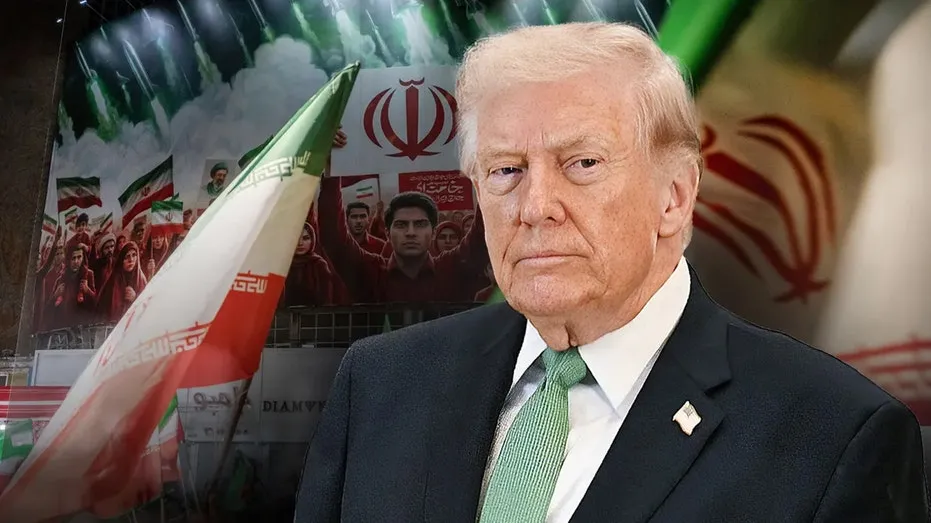
President Donald Trump has declared an “unprecedented” economic campaign against Iran, vowing severe repercussions for any nation that provides assistance to the country. The announcement, made via his Truth Social platform, described the U.S. operation as the “MOST CRUSHING ECONOMIC OPERATION EVER TAKEN AGAINST ANY COUNTRY,” framing it as a new era of “Economic Warfare and Isolation.”
Economic Warfare Declared Against Iran
In a series of posts on Wednesday, Trump articulated a stark ultimatum to the international community. He stated unequivocally that any country allowing its financial institutions, businesses, airports, or governmental bodies to offer any form of support to Iran would face “TREMENDOUS Economic Consequences.” The president’s message was direct, targeting specific channels through which Iran might receive aid.
“Oil smuggling, swap lines, cash transfers, exchange houses, ship registries, front companies — It all needs to stop NOW,” Trump wrote, directly addressing perceived facilitators of Iranian economic activity. He issued a clear warning, stating, “You know who you are.”
“Economic D-Day” and Global Isolation
Trump likened the sweeping economic measures to an “ECONOMIC D-DAY,” emphasizing the scale and critical nature of the U.S. initiative. He called upon American allies to join the effort, urging them to “stand with the United States of America to isolate, and defeat, the Iran threat.” The president expressed confidence that these actions would significantly undermine Iran’s capabilities.
“These maniacs are on the ropes, and these HISTORIC MEASURES will cripple them and their ability to project terror worldwide,” he asserted. The administration’s stance suggests a strategy aimed at completely severing Iran’s access to international financial and trade networks, thereby limiting its resources and influence on the global stage.
Context of Escalating Tensions
This aggressive economic posture comes amid a backdrop of heightened geopolitical tensions involving Iran. The country has been a focal point of international concern regarding its nuclear program, regional activities, and alleged support for militant groups. Previous U.S. administrations have employed sanctions as a primary tool to pressure Iran, but the scope and intensity described by Trump appear to signal a significant escalation.
The effectiveness of such broad economic sanctions often depends on the degree of international cooperation. While Trump urged allies to participate, the willingness of other nations to comply fully with U.S. demands could be influenced by their own economic interests and diplomatic relationships with Iran. Countries heavily reliant on trade or energy ties with Iran might face difficult choices in balancing these relationships against potential U.S. sanctions.
Potential Global Economic Impact
The implementation of “unprecedented” economic consequences could have far-reaching effects beyond Iran and the nations directly targeted. Global markets, particularly those related to oil and finance, could experience volatility. Disruptions to established trade routes or financial flows could impact supply chains and investment climates worldwide. The administration’s move underscores a willingness to leverage economic power as a significant foreign policy instrument, potentially reshaping international economic relations.
Analysts suggest that the success of this strategy will hinge on its execution and the global response. While the U.S. possesses considerable economic leverage, isolating a nation entirely requires coordinated action from a broad coalition of countries. The coming weeks and months will likely reveal the extent to which international partners align with the U.S. objectives and the tangible impact these measures have on Iran’s economy and its global standing.


