




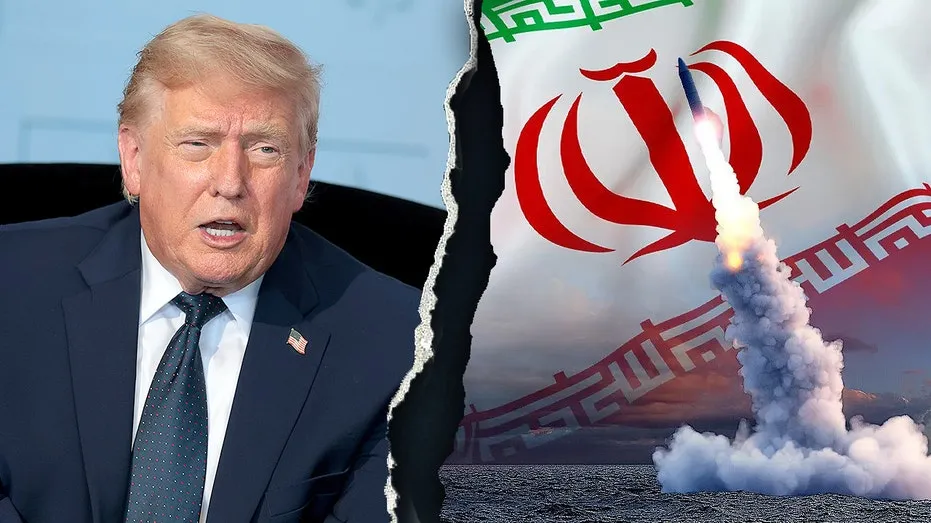
President Donald Trump reiterated a stern warning to Iran on Tuesday, stating that the United States is prepared to deliver a “really hard” blow if current nuclear negotiations falter once more. The President emphasized that Iran cannot be allowed to possess nuclear weapons, making military action a necessary option if diplomatic efforts prove unsuccessful.
Escalating Tensions and Diplomatic Stalemate
Speaking in an interview, Trump indicated that the most significant punitive measures are yet to be deployed, expressing hope that they will not be necessary. This statement follows a recent decision to halt a planned military strike against Iran, which Trump described as potentially the largest since World War II. The pause came after Iran and several Middle Eastern nations requested additional time to engage in discussions aimed at reopening the Strait of Hormuz and addressing Iran’s nuclear ambitions.
Trump recounted the moments leading up to the averted strike, explaining that Iran’s representatives had politely requested a dialogue. “We were going to a tremendous attack, the biggest since World War II, and they called me and said very politely, ‘Please, can we talk? Can we talk?’ And I said, ‘Yes, we can talk. Let’s get it done,'” Trump shared. He had previously suggested that an agreement to secure the Strait of Hormuz and limit Iran’s nuclear program was nearing completion.
Iran’s Position and Negotiation Dynamics
Iranian officials, however, have publicly denied engaging in direct talks with the U.S., asserting that all negotiations are being conducted through intermediaries, particularly in Oman. Reports from The Associated Press indicated that progress had been made between Iranian and Omani officials toward a potential deal to reopen the vital shipping lane, although discussions were still ongoing.
Despite these public denials from Tehran, Trump described the ongoing negotiations as “very good.” He expressed a degree of bewilderment at Iran’s stance, calling it “a little bit disconcerting” and a “lie.” However, he quickly pivoted, stating that words are less important than actions and that Iran’s desire to reach a deal is the key factor. “The only thing that matters is action. And they want to make a deal. We’ll see what happens. If they don’t make a deal, it’s going to be too bad,” the President remarked.
Patience in Diplomacy and Historical Context
When questioned about the U.S. timeline for abandoning talks, Trump conveyed a sense of unhurried patience, stating, “I have plenty of time.” He drew a contrast with previous administrations, criticizing their handling of the Iran issue and specifically referencing the nuclear agreement negotiated under former President Barack Obama. Trump asserted that the task should have been accomplished years ago and that he is now the one seeing it through, adding that “Obama was taken to the cleaners.”
This latest round of negotiations has been characterized by Trump as Iran’s “last chance” to avert increased U.S. military action. The initial focus of these discussions, according to Trump, is the reopening of the Strait of Hormuz, with Iran’s nuclear program to be addressed subsequently.
Key Points of the Negotiations:
- Strait of Hormuz: A primary objective is to ensure the free passage of vessels through this critical global oil chokepoint.
- Iran’s Nuclear Program: Discussions aim to curb Tehran’s ability to develop nuclear weapons.
- Negotiation Channels: While the U.S. suggests direct talks, Iran maintains that negotiations occur through Omani mediation.
- U.S. Stance: President Trump has warned of severe consequences if diplomacy fails, while also expressing patience.
The Path Forward
The situation remains fluid, with conflicting statements regarding the nature and progress of the talks. The U.S. maintains a firm stance on preventing Iran from acquiring nuclear capabilities, leaving the door open for military action should diplomatic avenues be exhausted. The coming days and weeks will likely reveal whether the current negotiations can yield a breakthrough or if tensions will escalate further, potentially leading to the significant military response that has thus far been held in reserve.


