




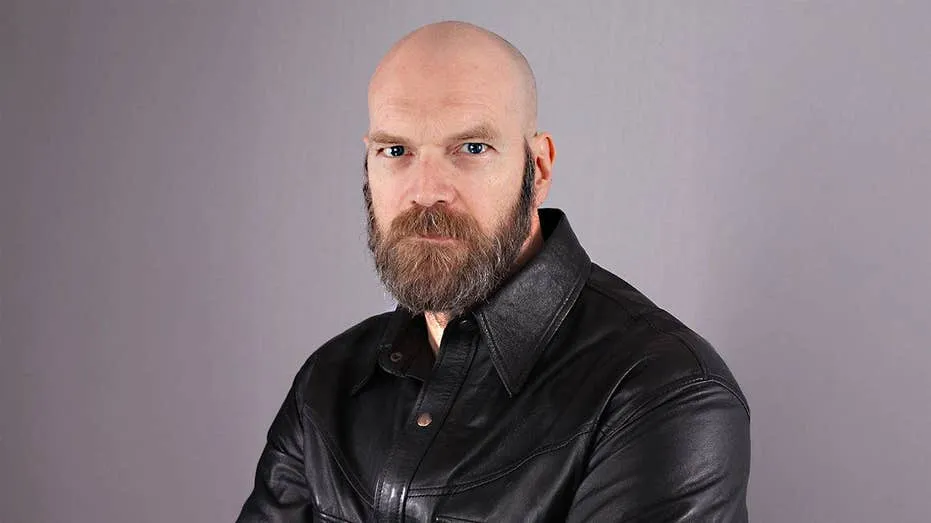
Actor Tyler Mane, widely recognized for his imposing roles in franchises like X-Men and Halloween, revealed that his wife, Renae Mane, played a pivotal role in his recent breast cancer diagnosis, potentially saving his life. The couple is now sharing their personal journey, including this significant health challenge, on their new podcast, “Mane AF,” which delves into the complexities of midlife, marriage, and the unexpected twists life can throw.
A Lump, a Wife’s Insistence, and a Life-Saving Diagnosis
Mane, 59, initially dismissed a lump he discovered in his chest as a harmless lipoma, a type of benign fatty growth he had experienced before. However, his wife, Renae, sensed something more and persistently urged him to seek medical attention. “She just kept insisting,” Mane recounted, emphasizing his wife’s crucial role. “I kept talking about it, ‘I have this lump here still, and it’s hard.’ And she was very insistent because women are trained from a certain age that if they feel something in their breast area, go get it checked out.”
His initial doctor visits were met with reassurance that the lump was likely benign. “To be honest, even my doctor said, ‘Oh, it’s probably nothing. It’s probably just a lipoma,'” Mane recalled. “And then, when I went in for the [surgery], he said, ‘You probably want to get that removed, but it’s probably nothing.'” This tendency for medical professionals to downplay potential concerns in men, Mane noted, underscores the importance of patient advocacy. “It’s just dismissed so much that you have to be an advocate for your body. And I’m just so thankful that she was an advocate for my body. Otherwise, it could have been a whole different story.”
Following Renae’s persistent encouragement, Mane finally underwent testing. The subsequent surgery revealed a 28-millimeter tumor. The diagnosis of invasive ductal carcinoma (IDC) came shortly after the procedure. “It was removed, I think, on a Thursday,” Mane explained. “I went on a trip and thought nothing of it. I came back, got up and started working at 6am, and then I got the news: invasive ductal carcinoma. I went and woke my wife up. She’s like, ‘This is not good.’ She was half-asleep but woke up very quickly. And that’s when our journey began.”
Understanding Male Breast Cancer: A Rare but Serious Reality
Breast cancer is overwhelmingly associated with women, often leading to a lack of awareness regarding its occurrence in men. The American Cancer Society estimates that approximately 2,670 men in the U.S. will be diagnosed with invasive breast cancer in 2026, with about 530 succumbing to the disease. The average lifetime risk for men stands at roughly 1 in 755. Invasive ductal carcinoma, the type Mane was diagnosed with, is the most common form of breast cancer in both men and women.
The primary symptom of male breast cancer is typically a firm, usually painless lump located under or near the nipple. Other potential signs, though less common, can include skin dimpling, nipple retraction, or nipple discharge. For Mane, the lump was the sole indicator before his diagnosis.
Male breast cancer represents less than 1% of all breast cancer cases in the United States. Routine screening mammograms are generally not recommended for men, even those with higher risk factors, according to the National Cancer Institute. This situation highlights the critical need for men to be vigilant about their health.
Advocating for Oneself and Embracing the Fight
Mane stresses the importance of self-advocacy, particularly for men who may not be aware of their risk. “This is a cancer that anyone can get,” he stated firmly. “If you feel something different in your chest than the norm, you have to go get it checked out and tested. You have to insist on getting tested and checked. You have to be the best advocate for yourself.”
Initially, Mane felt a sense of shame about his diagnosis. “For sure, I wanted to keep my diagnosis private at the beginning because I felt a bit ashamed,” he admitted. “I was like, ‘How can I have breast cancer?’ But then I quickly turned to, ‘No, I got to talk about this because this is a very serious issue that men don’t usually deal with.'” He recognized the need to raise awareness about a condition that often goes unaddressed in public health discussions concerning men.
Navigating Treatment and Maintaining Positivity
Mane’s breast cancer was detected at Stage 1, allowing for early intervention. Treatment typically begins with surgery, followed by other modalities such as chemotherapy, hormone therapy, and radiation, depending on the cancer’s stage and the patient’s overall health. “I was a Stage 1, so we got it early,” Mane confirmed. “Now we’re into the chemotherapy… to make sure that it’s completely out of my system… and then after the chemotherapy, I have some radiation to make sure we hit that area specifically.”
He described the rigorous nature of chemotherapy, noting its profound physical toll. “Chemotherapy is hard on your system,” he explained. “Unless you’ve gone through it, you can’t even imagine what it does to your body, and it’s a repetitive cycle. It’s not like you get an injury, and you rehabilitate it, or like when I had my hips replaced, and it’s one and done. With chemotherapy, it’s ongoing. You have your chemo treatment, where they put all of the chemicals into you.”
The experience involves cycles of intense sickness followed by a slow recovery, only to face the next treatment session. “You feel like c— for about the first week, and then you have a couple of weeks where you’re like, ‘I’m just getting back to normal now,'” he shared. “And then you have to go in, sit in that chair again and have that pumped into your body again to kill off the cancer cells. It’s about the hardest thing to psych yourself up for.” Mane also detailed other side effects, including metallic taste in his mouth, limited shoulder mobility, and skin rashes, describing them as his body’s reactions as it fights the disease.
A Fighter’s Spirit and a Message of Hope
Despite the formidable challenges, Mane, known for portraying tough characters, is channeling that same resilience into his cancer treatment. He credits his positive attitude and his wife’s unwavering support for helping him through this difficult period. “I knew I had it in me,” he said with a smile. “You have to have a positive attitude, and I’ve stayed positive no matter what. You have to stay positive. As soon as you let yourself get down, then it’s a downhill slide from there. And I need to stick around for my wife and my family. It’s time to step up and do what I have to do.”
Through their podcast and public discussions, the couple aims to elevate awareness about male breast cancer. Mane plans to feature his oncologist on “Mane AF” to further educate listeners. His overarching message to men is simple yet profound: heed the advice of your wives and partners. “All you guys out there, listen to your wives when they tell you to get checked,” he urged, reinforcing the idea that sometimes, the most crucial health advice comes from those closest to us.


