




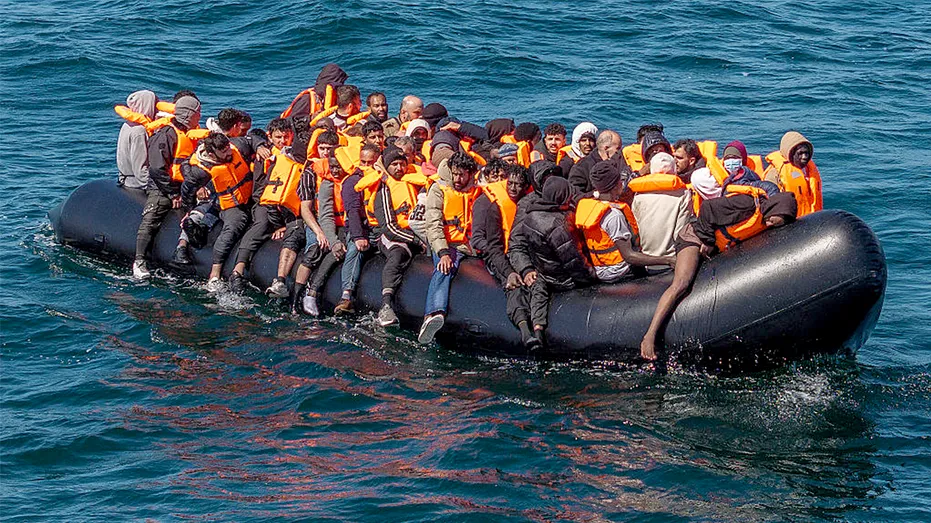
New proposals in the United Kingdom suggest that individuals granted asylum may be required to reimburse the government approximately £10,000 (over $13,000 USD) for accommodation and essential support before they can apply for permanent settlement. This potential policy shift comes as immigration continues to be a dominant and highly debated issue in British politics, frequently appearing at the forefront of public concerns.
Proposed Repayment Scheme Details
Government officials have indicated that any repayment obligations under the proposed rules would be subject to a means test, affecting only adults who surpass a certain income level. While assurances have been given that safeguards will be in place to prevent individuals from falling into severe poverty, specific details regarding the income threshold and the methods for enforcing these repayments have yet to be released.
The policy would not apply retroactively, meaning it would not affect those already granted asylum, and children would be exempt from any payment requirements. Home Secretary Shabana Mahmood stated, “Receiving asylum support is a right, but it is also a responsibility. Once people can contribute and repay the generosity of the British people, we expect them to do so.” She further explained that the reforms are intended to alleviate the financial strain on taxpayers.
Broader Immigration Policy Context
The Home Office has also outlined ambitious targets to remove an additional 45,000 individuals without a legal right to remain in the UK, along with foreign criminals, over the next decade. This initiative is in addition to the tens of thousands already being deported annually.
The center-left Labour Party has been intensifying its efforts to control both legal and illegal immigration. This strategic move appears aimed at countering the growing influence of Nigel Farage’s Reform UK party, which advocates for the deportation of a substantial number of asylum seekers and others whose claims have been rejected.
Nigel Farage, a prominent figure in the UK’s political landscape, has voiced strong opinions on the impact of migration. He has asserted that “Mass migration has changed this country, certainly in many of our cities, literally beyond recognition.” Farage has also pointed to a lack of selectivity in immigration as a significant contributing factor to these changes.
Criticism and Concerns
Refugee advocates and migration researchers have voiced significant criticism regarding the proposed repayment scheme. Concerns have been raised that the policy could unfairly penalize individuals who have fled persecution and that many refugees may struggle to achieve the income necessary to meet the repayment demands.
Furthermore, critics have warned that linking the ability to apply for settlement to these repayments could introduce considerable uncertainty for individuals attempting to establish new lives in the UK. The prospect of having to repay a substantial sum before securing a pathway to settlement raises questions about the practicalities and fairness of the proposed system.
Political Landscape and Party Dynamics
The Labour Party has experienced internal disagreements concerning the appropriate stringency of its immigration policies. Adding to the party’s challenges, its leader, Prime Minister Keir Starmer, recently announced his intention to resign, creating further uncertainty within the party following significant local election losses and internal dissent.
The political climate surrounding immigration remains charged, with various parties vying to address voter concerns. The proposed financial requirements for asylum seekers seeking settlement represent a significant development in the ongoing efforts to reshape the UK’s immigration system.
Conclusion
The proposed requirement for asylum seekers to repay a substantial sum before applying for settlement marks a significant development in the UK’s approach to immigration. While proponents argue it ensures responsibility and reduces taxpayer burden, critics raise concerns about its feasibility and potential impact on vulnerable individuals. The coming months will likely see further debate and clarification on the specifics of this policy as it navigates the complexities of the UK’s political and social landscape.


