




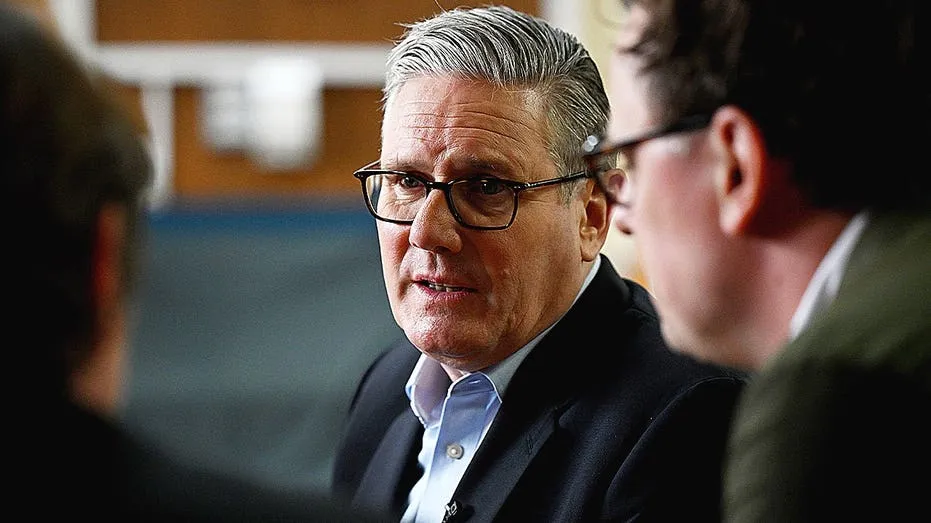
Starmer Steps Down as Prime Minister Following Labour Turmoil
London – Prime Minister Keir Starmer announced his resignation on Monday, citing an unbridgeable rift within the Labour Party following significant local election defeats and a wave of ministerial resignations. Starmer stated his decision to step down as both Prime Minister and Labour leader stems from his inability to unite the party. He is expected to remain in office until a successor is formally chosen.
The announcement comes after weeks of internal upheaval for the governing party. Last month’s local elections saw Labour suffer substantial losses, relinquishing approximately 1,500 council seats and control of over 25 local authorities. These setbacks were attributed to significant inroads made by Nigel Farage’s Reform UK in traditionally Labour-supporting areas and advances by the Green Party in urban centers.
Foreign Policy Dispute Intensifies Domestic Pressure
Starmer’s premiership had already been under strain due to a contentious dispute with President Donald Trump earlier this year concerning the Iran conflict. Initial resistance from Starmer to U.S. requests for the use of British bases during military operations against Iran drew public criticism from President Trump, who remarked on March 3, “This is not Winston Churchill that we’re dealing with.” Despite his initial firm stance, Starmer eventually sanctioned limited defensive cooperation with the United States. This move, however, alienated anti-war factions within his own party and failed to appease critics who questioned his decisiveness and leadership.
Public sentiment regarding the episode, as reflected in opinion polls and commentary, characterized Starmer as “weak” and “indecisive,” with voters perceiving him as overly deferential to Washington.
Cabinet Departures and Calls for Leadership Change
The crisis intensified in the days following the local election results, with two Labour ministers publicly resigning and advocating for a change in leadership. Jess Phillips departed from her government post after Starmer reportedly declined to yield the floor during a cabinet meeting. Phillips expressed that Labour required leadership with greater “gusto” and cautioned that the government was not delivering the transformative change constituents expected, according to statements reported by The Guardian.
Miatta Fahnbulleh also resigned, calling for what she termed an “orderly transition,” as indicated in reports U.K. media outlets on Tuesday. The scale of dissent within the parliamentary party became evident when over 80 Labour Members of Parliament publicly urged Starmer to step down. Political editor Steven Swinford noted on the social media platform X that these calls originated from across the political spectrum within the party, with roughly a third of the signatories identified as centrists, while others represented the party’s soft-left and hard-left wings.
Privately, senior cabinet ministers were reportedly urging Starmer to outline a timeline for his departure. Figures such as Yvette Cooper and Ed Miliband had advised Starmer to consider stepping aside to mitigate further political damage, The Guardian reported. Prior to the resignation announcement, John Healey publicly defended Starmer, stating, “More instability is not in Britain’s interest. Our full focus must be on security.”
Scrutiny Over Appointments and Leadership
The political turmoil also amplified scrutiny of Starmer’s broader leadership style and decision-making processes. His administration faced criticism for its handling of the ongoing U.S.-Iran crisis, with opposition figures accusing him of appearing hesitant after reports of initial U.K. resistance to certain American military requests, followed by a partial reversal. Public dissatisfaction with this issue has been evident in recent polling and voter focus groups.
Starmer also encountered criticism regarding the appointment of Peter Mandelson as ambassador to Washington. This decision reignited media attention concerning Mandelson’s past associations with convicted sex offender Jeffrey Epstein.
Succession Battle Looms for Labour Party
Attention now shifts to a potentially contentious Labour leadership contest. Wes Streeting is considered a prominent candidate from the party’s centrist faction, while Andy Burnham retains significant support among the Labour grassroots, having recently secured a parliamentary seat. Deputy Prime Minister Angela Rayner is also anticipated to play a pivotal role in shaping the upcoming succession battle.


