


Ukraine’s Independence Day: Defiance Amidst Russian Strikes
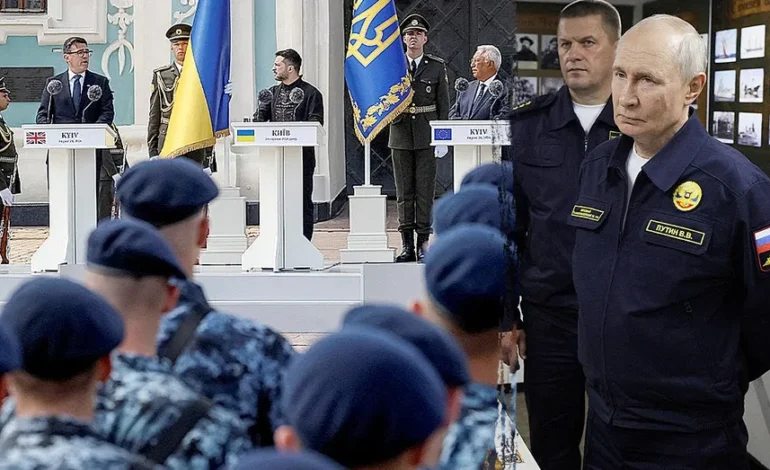

Ukraine observed its Independence Day on Monday, a solemn occasion marked by continued Russian aerial assaults and a palpable sense of defiance. The anniversary, commemorating the nation’s 1991 secession from the Soviet Union, fell under a heavy cloud of intensified attacks targeting civilian infrastructure. Security officials had issued warnings of potential terrorist acts, adding a layer of anxiety to the national holiday.
A Day of Dual Significance
The 35th Independence Day, celebrated on August 24th, is a pivotal moment for Ukraine, symbolizing its hard-won sovereignty. This year, however, the festivities were overshadowed by the ongoing conflict. The date also served as a stark reminder of the human cost of the war, with recent Russian strikes leaving a trail of destruction. A particularly devastating drone attack on a bustling shopping center in Kryvyi Rih, President Volodymyr Zelenskyy’s hometown, resulted in at least 16 fatalities and injured 130 others, according to reports from The Associated Press.
In a powerful display of solidarity, several European leaders journeyed to Kyiv to participate in Independence Day events alongside President Zelenskyy. This high-level presence underscored the unwavering international support for Ukraine as it continues to resist the full-scale invasion launched by Russia. President Zelenskyy reiterated Ukraine’s desire for peace but firmly stated the nation’s refusal to capitulate to Moscow’s demands.
Perceived Russian Panic and Strategic Strikes
Amidst the heightened tensions, some security analysts suggest that Russian President Vladimir Putin is exhibiting signs of panic. This assessment stems from Ukraine’s increasing success in striking targets deeper within Russian territory. These incursions, according to former Deputy Assistant Secretary of State Carrie Filipetti, now executive director of the Vandenberg Coalition, represent a significant shift. “The war with Russia has seen a lot of advances for the Ukrainians over this year,” Filipetti observed. “They’ve recently been able to actually penetrate much deeper into Russian territory, including close to Moscow and St. Petersburg.”
Filipetti posited that these military successes on the Ukrainian side have led to a more agitated response from Russia. “Their success on the military front has now resulted in the Russians getting panicked and starting to attack more inside Ukraine and what they’re really trying to do is weaken their will and capabilities,” she explained. She further elaborated on Putin’s state of mind, suggesting he “gets very anxious when he’s put in a corner.” The targeting of civilian sites, such as the Kryvyi Rih shopping mall, is seen by some as a desperate attempt to regain control and break the Ukrainian spirit, rather than a focus on military objectives.
Russia has previously warned that Ukrainian strikes on its economic targets could open a “Pandora’s box.” Conversely, Kyiv views these deep strikes as essential for disrupting Moscow’s logistical networks. Ukraine has indeed targeted Russian economic infrastructure, including the warehouses of major online retailers like Wildberries and Ozon. This strategy aims to impose economic pressure on Russia while simultaneously degrading its ability to sustain its war effort.
Heightened Security and International Resolve
The targeting of civilian areas, particularly during a national holiday, naturally raises significant security concerns. Ukrainian authorities urged citizens to remain vigilant, advising caution on public transport and against sharing information that could reveal military positions. The possibility of sabotage or further attacks loomed large.
The presence of European leaders in Kyiv was a powerful symbol of continued international commitment. “Independence Day is a really important moment for the allies of the Ukrainians to really show that we are not losing steam, that we continue to support their operations, to continue to support their sovereignty,” Filipetti stated. However, she also cautioned that large public gatherings, especially those celebrating national pride and support for the state, inherently increase security risks.
A War of Attrition and Deterrence
The holiday coincided with a period of intense aerial exchanges. Russian attacks reportedly claimed at least seven lives, while a Ukrainian drone strike in Russia’s Krasnodar region resulted in three fatalities, according to Russian officials. Filipetti characterized the conflict as a struggle where Russia aims to deplete Ukraine’s human and material resources before its own reserves are exhausted. “The Russians really want to bleed the Ukrainians of people, equipment, and will before the Russians are bled of those same three things,” she noted. She also pointed out the lack of significant Russian territorial gains over the past year, suggesting that Russia is struggling to replenish its forces and is increasingly relying on foreign fighters.
Reflecting on the initial assumptions of the conflict, Filipetti recalled that Putin had anticipated a swift victory. “Remember, Putin thought that this was going to be a special military operation that was going to last a matter of weeks,” she said. Ukraine’s sustained resistance, she emphasized, serves as a crucial deterrent. “It sends a message to the Russians that any invasion of sovereign territory, like their invasion of Ukraine, is going to create more consequences for them,” Filipetti concluded. This message, she added, is also intended for other global adversaries, including China, Iran, and others, demonstrating that unprovoked aggression will be met with significant consequences, not rewards.
The ongoing conflict highlights Ukraine’s resilience and determination to defend its independence, while the international community reaffirms its commitment to supporting the nation’s sovereignty and territorial integrity.