




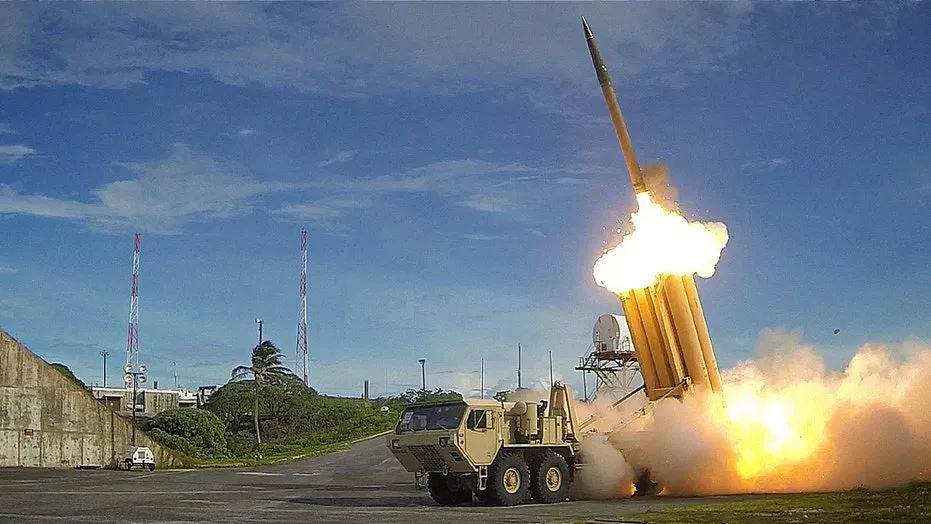
The U.S. Department of Defense is undertaking a significant strategic shift in its missile procurement and deployment, a move prompted by the continuous and substantial depletion of American stockpiles due to ongoing global conflicts. This reassessment comes as the Pentagon navigates a complex geopolitical landscape where the demand for advanced weaponry has outpaced traditional supply chains.
Pentagon Reevaluates Missile Strategy
Repeated military engagements across various theaters have placed an unprecedented strain on the United States’ arsenal of missiles. The sustained high rate of expenditure, particularly in response to international crises, has led to concerns about the long-term readiness and sufficiency of these critical defense assets. In response, the Pentagon is reportedly re-evaluating its production capabilities, inventory management, and future acquisition strategies to ensure it can meet both current operational needs and potential future demands.
While specific details of the strategic shift remain under wraps, sources indicate a focus on increasing production capacity for key missile systems and potentially diversifying supply chains to reduce reliance on single sources. The goal is to build a more resilient and responsive defense industrial base capable of replenishing stocks more rapidly.
Global Demand and Supply Chain Pressures
The current situation is exacerbated by a global surge in demand for military hardware, driven by escalating tensions and active conflicts worldwide. Nations are seeking to bolster their defenses, leading to increased competition for raw materials, manufacturing components, and production facilities. This global demand puts additional pressure on the U.S. defense sector, making it more challenging and costly to ramp up production quickly.
The Pentagon’s strategy adjustment is not just about manufacturing more missiles; it also involves a critical look at how existing munitions are utilized. This includes optimizing deployment strategies, exploring potential alternatives where feasible, and ensuring that every round fired serves a clear and necessary strategic purpose. The aim is to strike a delicate balance between maintaining robust offensive and defensive capabilities and conserving vital resources.
Broader Geopolitical Implications
This development underscores the significant financial and logistical commitments associated with modern warfare. The drain on U.S. missile stockpiles highlights the economic and industrial capacity required to sustain prolonged military operations, especially in an era of great power competition. The Pentagon’s proactive measures signal an acknowledgment of these challenges and a commitment to adapting its defense posture accordingly.
Beyond missile stocks, the broader defense industry is also under scrutiny. Reports suggest that the U.S. is looking at ways to streamline the production process for various munitions, potentially involving partnerships with allied nations or incentivizing domestic manufacturers to expand their operations. The long-term implications of this strategic pivot could reshape U.S. defense industrial policy for years to come, prioritizing readiness and rapid replenishment in an increasingly uncertain global security environment.
Other Notable Developments
In other news, a significant legislative development occurred as a Democratic governor signed a law permitting abortion up to the point of birth, a move that has drawn both praise and criticism. Meanwhile, former President Donald Trump has reportedly responded to Iran’s demands for war reparations with a counter-bill of his own, signaling a firm stance in international negotiations.
The sports world saw a notable exchange, with a controversial WNBA player addressing assertions made by Sophie Cunningham regarding a hard foul. In politics, Vice President Kamala Harris has inadvertently become a strong proponent for the SAVE America Act, according to some analyses. Separately, a video clip of Tim Walz’s golf swing and attire sparked considerable online discussion.
On the political tarmac, reports emerged of the Trump security team allegedly orchestrating a staged Air Force One diversion. In healthcare policy, changes are being considered for the child vaccine schedule, with a focus on shifting medical decision-making power towards parents. A political contest in a key Midwestern battleground state is reportedly at risk due to a series of socialist electoral victories.
Furthermore, Representative Alexandria Ocasio-Cortez faced criticism from conservatives regarding her approach to the “Woke 1” wave and speculation about her 2028 ambitions. In media circles, the podcast ‘Pod Save America’ faced accusations of temporarily removing a segment critical of a commentator after it was amplified by a former Biden staffer. Ocasio-Cortez also attempted to downplay the significance of the “woke era,” a sentiment not shared by her conservative critics.
The Democratic Attorney General of Michigan expressed concerns that her party is not doing enough to combat antisemitism. Additionally, a figure named Mamdani is reportedly in conflict with Democratic Socialists over proposals to abolish police and prisons. In opinion pieces, one author suggested a Democrat’s departure from the party signals a takeover by radical socialists, while another highlighted a crackdown on fraudsters leading to record low highway deaths.
In other news, an alleged repeat offender, identified as an undocumented immigrant, is accused of driving a pickup truck into a crowd in Nashville, prompting renewed attention from ICE. Federal authorities are investigating an unlicensed New York City boat operator, who allegedly disregarded safety warnings before a capsizing incident resulted in the deaths of a mother and baby. Finally, a suspect was apprehended at Kim Kardashian’s mansion following reports of a stolen vehicle and a break-in in Hidden Hills.


