




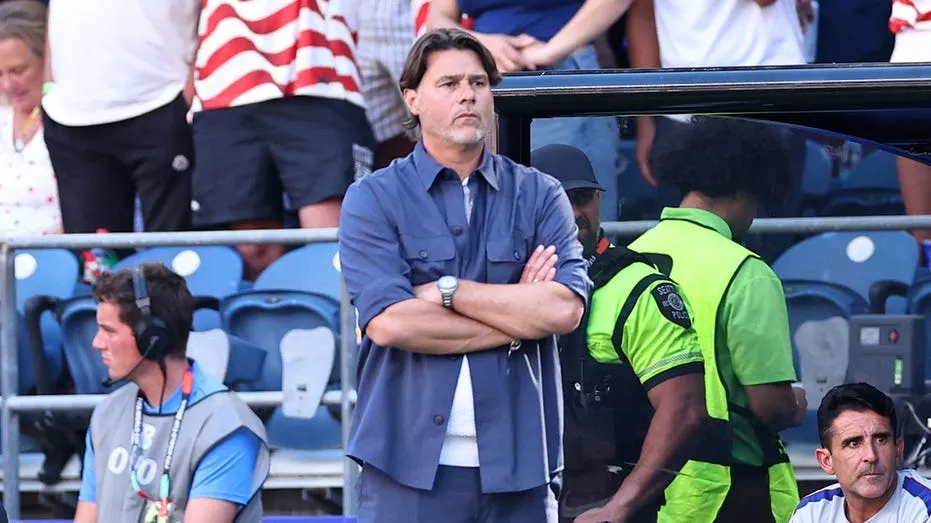
The United States men’s national soccer team faced a challenging first half against Belgium in their Round of 16 World Cup match, a performance that visibly frustrated head coach Mauricio Pochettino. The team struggled defensively, conceding early and often, leading to a moment of visible displeasure from the sideline.
Belgium Strikes Early
Just under ten minutes into the contest, Belgium’s Charles De Ketelaere put his team ahead, tapping in a close-range opportunity past U.S. goalkeeper Matt Freese. The goal sent a ripple of concern through the capacity crowd at Seattle Stadium.
Tillman Equalizes, But Belgium Responds Quickly
The U.S. managed to pull level in the 31st minute. Malik Tillman, who had previously scored a crucial free kick against Bosnia and Herzegovina, found the back of the net once more. His shot, however, took a deflection off a Belgian defender before beating the formidable Belgian goalkeeper Thibaut Courtois.
The elation was short-lived. Only two minutes later, Belgium regained the lead. De Ketelaere, demonstrating his aerial prowess, out-leapt veteran defender Tim Ream to head the ball into the net for his second goal of the match.
Pochettino’s Frustration Boils Over
Witnessing his team concede again so quickly after equalizing, Pochettino’s frustration became palpable. As Belgium celebrated their go-ahead goal, the coach walked towards his bench and expressed his displeasure by kicking a cluster of Powerade bottles on the ground. It was a clear indicator of the team’s difficult first 45 minutes.
First Half Statistics Tell a Story
While possession statistics were relatively even, with Belgium holding a slight edge at 53% to the U.S.’s 47%, the offensive statistics painted a starker picture. Belgium outshot the U.S. significantly, registering five shots on goal compared to the Americans’ single shot. More concerningly, Belgium created four ‘big chances,’ indicating they came very close to scoring on multiple occasions, suggesting the scoreline could have been even more lopsided.
Looking Ahead to the Second Half
Entering halftime, the U.S. team had considerable work to do. The first half performance highlighted defensive frailties and an inability to contain Belgium’s attacking threats. To advance to the quarterfinals and keep their World Cup aspirations alive, the U.S. would need a significantly improved performance across the board.
Historical Context and Future Prospects
Should the U.S. manage to turn the game around and progress, they would match the 2002 squad’s achievement of reaching the quarterfinals in the modern FIFA World Cup era, a feat only accomplished once before in the nation’s history. However, with Belgium holding the momentum after the first half, Coach Pochettino would need to devise a clever strategy to inspire a comeback.
The manager’s tactical adjustments and the team’s ability to execute them in the second half would be crucial. The pressure was on for the U.S. to regroup, address their defensive lapses, and find a way to break down Belgium’s solid structure to keep their World Cup journey going.


