




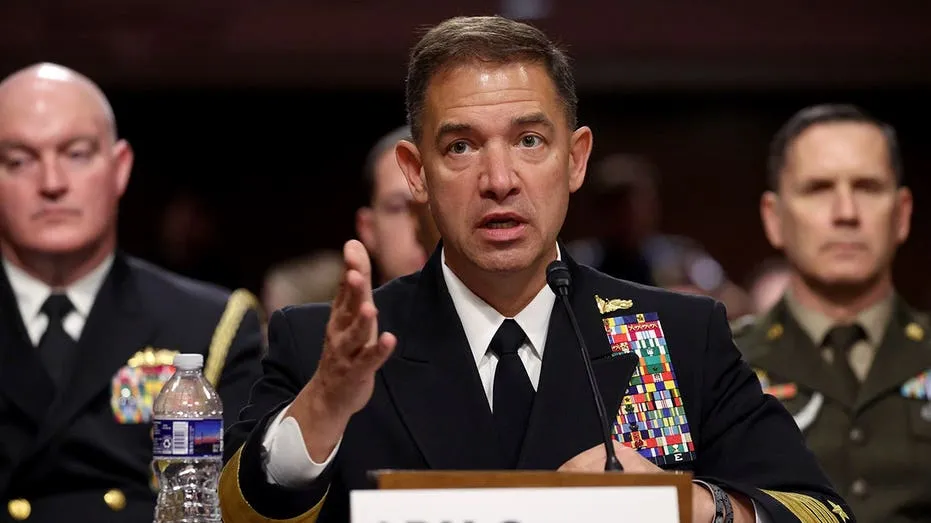
The commander of U.S. Central Command (CENTCOM) has highlighted the USS Abraham Lincoln’s strong mental health record, positioning it as one of the best among the Navy’s active aircraft carriers. This comes as the carrier concludes an extensive deployment of over 260 days at sea, supporting operations in the Middle East, and amid recent scrutiny over alleged poor conditions aboard the vessel.
Commander’s Perspective on Ship Conditions
Admiral Brad Cooper, CENTCOM commander, recently visited the USS Abraham Lincoln and shared his observations, emphasizing the crew’s resilience and camaraderie. In a statement shared via X (formerly Twitter), Cooper described his visit as “awe-inspiring” and expressed pride in witnessing the crew’s teamwork. He specifically pointed to the carrier’s mental health statistics, noting that it currently has one of the lowest numbers of mental health-related cases among the Navy’s 11 active aircraft carriers.
Cooper also addressed recent media reports that have raised concerns about the ship’s conditions, including allegations of supply shortages, plumbing issues, and crew morale problems. In an opinion piece published in The Wall Street Journal, he suggested that many of these reported issues were outdated, stemming from concerns raised months prior that had since been resolved by the ship’s leadership. He stated that he had spoken directly with junior enlisted personnel and officers in small groups and found that leadership had addressed and resolved earlier problems related to food, hot water, and other matters.
Acknowledging the Challenges of Extended Deployments
While praising the ship’s achievements and the leadership’s efforts, Admiral Cooper acknowledged that prolonged deployments at sea present unique challenges. He recognized that the demanding nature of extended missions can affect sailors differently, and that “service at sea for long periods isn’t for everyone.” He emphasized that the nearly 4 million Navy veterans in the United States would likely attest to the demanding nature of such service, where individuals react to stressors in varied ways.
Cooper credited the ship’s leadership, particularly the senior enlisted leaders within the Chief Petty Officers Mess, for prioritizing mental health and crew resilience. He stated that these leaders have “stepped up and making mental health and crew resilience a leadership priority,” giving it the same importance as physical and spiritual well-being. He concluded his remarks by commending the Sailors and Marines aboard the ship and wishing them well on their journey home.
Context of the Deployment and Allegations
The USS Abraham Lincoln’s extended deployment has been in support of operations related to the conflict with Iran. The allegations of poor conditions surfaced following reports detailing numerous complaints, such as inadequate food supplies, issues with potable water, malfunctioning toilets, and a reported increase in suicidal ideation among crew members, exacerbated by the lengthy period without a port call.
These reports have been met with strong denials from officials. The Navy had previously released photos of meals described as “fresh” in an effort to counter claims of food shortages on warships operating in the Middle East. The carrier is reportedly nearing the end of its deployment, with plans for its replacement by another vessel, the USS George Washington, which is en route from the Pacific.
Reactions to Media Reporting
Sean Parnell, who has personal experience with extensive deployments, having served 485 days in Afghanistan, criticized the media’s portrayal of the USS Abraham Lincoln’s situation. He characterized the accusations as a distortion of legitimate challenges faced during combat deployments, arguing that the media narrative was false and that genuine difficulties encountered by military families were being exploited for headlines.
The discussion around crew well-being and operational conditions on naval vessels highlights the complex realities of modern military service. While extended deployments are an inherent part of naval operations, ensuring the physical and mental health of service members remains a critical focus for military leadership. The emphasis on proactive leadership, addressing concerns promptly, and fostering a supportive environment are seen as key to maintaining morale and effectiveness during demanding missions.
The USS Abraham Lincoln’s situation underscores the ongoing dialogue about the balance between operational readiness and the well-being of naval personnel. As the carrier prepares to return home, the focus remains on the crew’s service and the measures taken to support their health and resilience throughout their challenging mission.


