

US Urges Travelers to Reconsider Venezuela Amid New Risks

The U.S. Department of State has updated its travel advisory for Venezuela, urging Americans to reconsider visiting the South American nation due to a confluence of escalating security concerns and recent natural disaster impacts. The country remains under a Level 3 advisory, meaning “Reconsider Travel,” a designation that has been in place throughout the year. However, the latest update on June 27 specifically highlights the disruptive effects of recent seismic activity as a significant new factor for potential visitors.
Earthquake Aftermath Adds to Existing Dangers
Venezuela was recently shaken by powerful earthquakes, including a magnitude 7.2 foreshock followed by a magnitude 7.5 quake on June 24. These seismic events caused widespread damage, severely impacting transportation networks, essential infrastructure, and emergency response capabilities. The State Department noted in its advisory that these earthquakes led to “extensive damage and disruption to transportation, infrastructure and emergency services,” compounding the already precarious situation for travelers.
Beyond the immediate aftermath of the earthquakes, the advisory reiterates long-standing warnings about pervasive security risks. U.S. officials caution potential visitors about the prevalence of “crime, kidnapping, terrorism and poor health infrastructure.” The advisory explicitly states that “violent crimes such as homicide, armed robbery, and kidnapping occur.” Furthermore, it warns of the potential for “irregular armed groups” to engage in “acts of violence against citizens without warning.” A critical point highlighted is the lack of reliable crime statistics, making it difficult to gauge the true extent of the danger.
Specific Regions Under Highest Warning
In addition to the nationwide Level 3 advisory, several specific areas within Venezuela are subject to the most stringent warning: Level 4, or “Do Not Travel.” These high-risk zones include:
- The border region shared with Colombia.
- The state of Amazonas.
- The state of Apure.
- The state of Aragua, specifically areas outside the city of Maracay.
- The state of Guárico.
- The state of Táchira.
- Rural areas within the state of Bolívar.
These designations underscore the localized but severe dangers present in these particular regions, advising against any travel whatsoever.
U.S.-Venezuela Relations and Disaster Aid
The updated travel advisory arrives amidst a complex and often strained relationship between the United States and Venezuela. Despite diplomatic challenges, the U.S. government provided disaster relief to Venezuela following the recent earthquakes. This humanitarian assistance was reportedly welcomed by Venezuelan authorities, marking a rare point of cooperation. A State Department official indicated that the interim authorities in Venezuela had shown “total compliance” in response to the unprecedented U.S. aid effort for the deadly earthquakes.
Venezuela’s Appeal and Traveler Profile
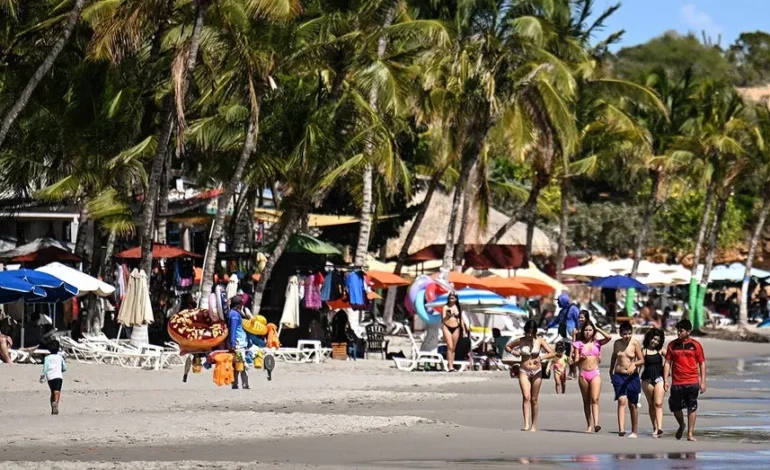
While Venezuela is not typically considered a prime tourist destination for international travelers, a segment of Americans does visit the country. These visitors often travel for personal reasons, such as visiting family members, or to experience its natural wonders. Notable attractions include the breathtaking Angel Falls, the world’s tallest uninterrupted waterfall, and the pristine Los Roques National Park, an archipelago in the Venezuelan Caribbean known for its stunning coral reefs and turquoise waters. However, the current security and disaster-related risks significantly overshadow these potential attractions.
Understanding Travel Advisories
The U.S. Department of State uses a tiered system to inform citizens about international travel risks:
- Level 1: Exercise Normal Precautions – The lowest level of risk.
- Level 2: Exercise Increased Caution – Travelers may face risks such as crime, health issues, or other concerns.
- Level 3: Reconsider Travel – Travelers may be exposed to serious risks to their safety and security.
- Level 4: Do Not Travel – The highest level of risk, indicating extreme danger.
The advisory for Venezuela, particularly the combination of a Level 3 nationwide warning with specific Level 4 areas, signals a critical need for Americans to carefully evaluate the risks before considering any travel to the country. The State Department emphasizes that U.S. citizens should remain aware of their surroundings, avoid displaying signs of wealth, and take precautions against petty and violent crime, especially in urban areas.
Conclusion: A Complex Risk Landscape
The updated U.S. travel warning for Venezuela reflects a multifaceted threat environment. The recent earthquakes have introduced new layers of disruption and danger, particularly concerning infrastructure and emergency services. These natural disaster impacts are layered upon pre-existing, serious concerns about violent crime, kidnapping, and the presence of armed groups. Coupled with warnings about inadequate health infrastructure, the overall risk profile for travelers is exceptionally high. Americans considering travel to Venezuela are strongly advised to heed the State Department’s warnings, consult the full advisory for detailed information, and make decisions based on a thorough assessment of the significant risks involved.