
WNBA Faces Scrutiny Amidst Controversies and Political Debates

The Women’s National Basketball Association (WNBA) is currently navigating a tumultuous period, finding itself under intense public scrutiny for a series of incidents that have overshadowed on-court performance. While the league has experienced a surge in interest, largely attributed to the arrival of star player Caitlin Clark, recent events have brought internal and external conflicts to the forefront, sparking widespread debate about the league’s direction and priorities.
Caitlin Clark’s Impact and League Dynamics
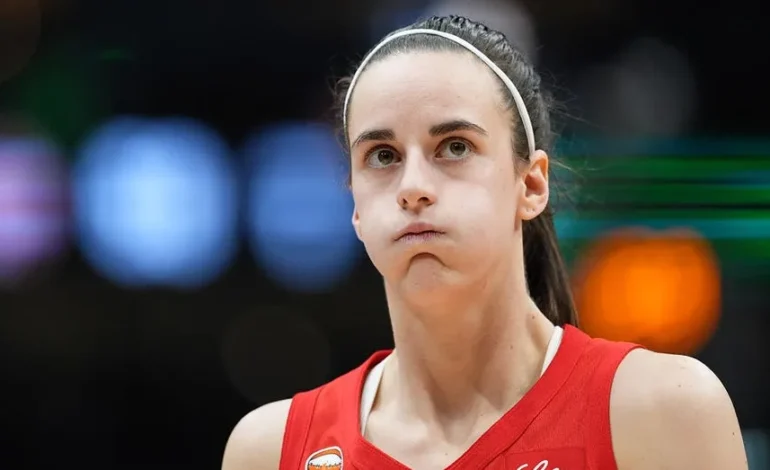
Caitlin Clark’s entry into the WNBA has undeniably been a boon for the league, attracting significant fan engagement, boosting viewership, and driving merchandise sales. This increased revenue has translated into tangible improvements in player benefits and overall quality of life for athletes. However, this success has also seemingly created a complex dynamic within the league, with reports suggesting a degree of resentment towards Clark from some within the WNBA establishment, including coaches and fellow players. Despite her efforts to remain neutral and avoid controversy, Clark has become a focal point, with some attributing the animosity to jealousy and a perception that her fanbase aligns with conservative political viewpoints.
Sophie Cunningham and the Debate Over Women’s Sports
The league’s internal tensions were further amplified by comments from Phoenix Mercury player Sophie Cunningham. Cunningham publicly stated her belief that male athletes should not compete in women’s sports, a stance she described as reasonable and shared by many Americans. This opinion immediately ignited a firestorm within the WNBA. Opposing players and coaches donned shirts in support of transgender athletes, and Cunningham’s own coach suggested she lacked understanding of biological differences in sports. The controversy escalated when a Seattle Storm co-owner was suspended for confronting a Cunningham supporter, and the Storm’s social media account appeared to celebrate opposition to Cunningham’s remarks. One player even expressed openness to male athletes competing in the WNBA, a sentiment that raised concerns about the potential displacement of female athletes.
The DiJonai Carrington Incident
The situation reached a boiling point during a game between the Chicago Sky and the Phoenix Mercury. Chicago Sky forward DiJonai Carrington was assessed a Flagrant 2 foul and ejected for a play deemed a “dirty play” by many, resulting in Cunningham sustaining a bloody face. In the aftermath, Carrington posted “white privilege” on social media, tagging the Indiana Fever. Cunningham, speaking after the game, suggested the foul was intentional, stating, “Clearly, I think it was like unnecessary. I’ve never really spoken to her and have no beef with her, but I guess she has some pent up stuff. So get your s— off. That’s fine. I can take it… Yeah, it’s intentional.” Her coach, however, defended Carrington, characterizing the foul as hard but not intentionally malicious, a stance that appeared to be met with visible disapproval from Clark, who was seated nearby.
Broader Implications and League Direction
Adding another layer to the ongoing discussions, former NBA players Enes Kanter Freedom and Royce White announced their intention to enter the 2027 WNBA draft. This move, framed by some as a consequence of the league’s stance on gender identity and inclusion, has further fueled debates about eligibility and the definition of women’s sports. The WNBA Players Association has reiterated its commitment to diversity, equity, and inclusion, principles that are now being tested by these complex issues. Critics argue that the league’s focus on progressive political activism, often at the expense of common-sense rules and the elevation of its top stars, has led to these embarrassing situations. They contend that the WNBA’s embrace of a specific political ideology has alienated a significant portion of the public and contributed to its struggles with widespread legitimacy and financial stability.
Conclusion: A League at a Crossroads
The WNBA stands at a critical juncture. While the influx of talent like Caitlin Clark has provided an unprecedented opportunity for growth, the league’s handling of controversial incidents and its perceived prioritization of political activism over on-court integrity and clear policy-making have drawn considerable criticism. The recent events surrounding Sophie Cunningham, DiJonai Carrington, and the potential entry of male athletes into the draft highlight the deep divisions and complex challenges the league faces. Moving forward, the WNBA must grapple with how to balance its commitment to social issues with the need for on-court credibility, consistent rule enforcement, and a unified approach that fosters respect and seriousness among its players, fans, and the broader sports community. Failure to address these issues could jeopardize the progress made and further alienate potential supporters, leaving the league in a precarious position.