




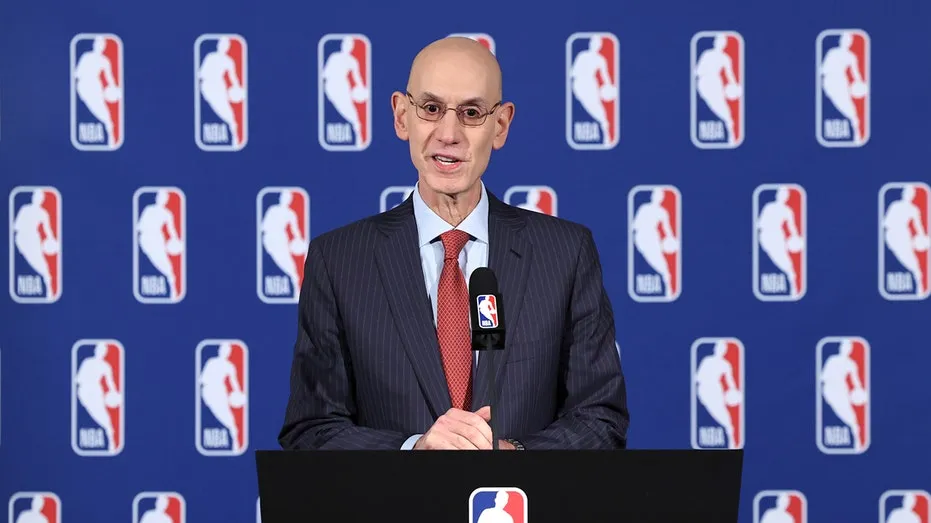
The WNBA has experienced a significant surge in popularity and fan engagement in recent seasons, largely propelled by the arrival of star player Caitlin Clark. This increased attention has translated into higher attendance, greater revenue, and a substantial rise in media coverage. However, a recent incident involving player Sophie Cunningham and a team co-owner has ignited a debate about the league’s management of its public image and its stance on sensitive social issues, prompting questions about whether NBA Commissioner Adam Silver should step in.
Sophie Cunningham’s Rise and Controversial Stance
Sophie Cunningham has emerged as a prominent figure in the WNBA, gaining widespread recognition beyond her on-court performance. A viral clip of her distinctive finger-pointing gesture became a social media sensation, and her engaging personality and sense of humor have endeared her to many. Offensively, Cunningham has shown marked improvement, boasting impressive shooting percentages. Her popularity was further amplified when she publicly supported Caitlin Clark against what some perceived as overly aggressive play from opponents, resonating strongly with Clark’s burgeoning fanbase.
Cunningham recently articulated her views on the inclusion of transgender athletes in women’s sports during an interview. “I think that I am here to extend love, but I also think that with love is truth, being honest, and I want to protect young girls in a locker room, or young girls in sport, who shouldn’t have to go against biological men,” Cunningham stated. This perspective aligns with a significant portion of the American public and is rooted in biological definitions of sex. Her comments, however, proved divisive within the league.
The Seattle Storm Incident and League Response
The controversy escalated during a recent game between the Seattle Storm and the Indiana Fever. Reports indicate that Celeste Keaton, a co-owner of the Storm, made inappropriate remarks to fans who were expressing support for Cunningham. Concurrently, the Storm’s social media account shared a photo of player Stefanie Dolson wearing a “Trans Rights are Human Rights” T-shirt, a move seen by some as a direct counterpoint to Cunningham’s stance and a dismissal of fans with differing views. The league’s reaction to the incident involved the suspension of Keaton for five home games and a general statement of apology from the Storm. However, these measures are viewed by some as insufficient to address the underlying tensions and the league’s perceived political alignment.
Cunningham herself responded to the situation with a message of inclusivity on social media, stating, “I truly believe there is a safe space and love for EVERYBODY. Biological girls, biological boys, trans women, and trans men. Everyone is welcome at my table! You can disagree and still be kind. Bravo to those girls for standing up for what they believe.” She also expressed disappointment in the co-owner’s behavior.
Calls for NBA Intervention
The handling of this controversy has led to questions about the WNBA’s strategy for capitalizing on its growing popularity. With new fans, many from diverse geographical and cultural backgrounds, being drawn to the league primarily through stars like Clark, there is concern that the league’s perceived political leanings could alienate this broader audience. Critics argue that the league and its teams are taking divisive political stances that may not align with the views of a significant portion of potential fans.
This situation raises a critical question: At what point does the NBA, which provides financial support to the WNBA, have a responsibility to intervene? The debate centers on whether Commissioner Adam Silver should step in to ensure the league maintains a focus on basketball and fan engagement, rather than becoming embroiled in divisive political issues. The core concerns include:
- The potential for team owners and league actions to alienate a growing fanbase.
- Whether the league’s current political messaging aligns with its business interests and long-term growth.
- The extent to which the WNBA prioritizes political advocacy over fan inclusivity and business strategy.
The NBA and WNBA were approached for comment regarding these issues, but as of the time of reporting, no official response had been received. Critics suggest that the league may be prioritizing progressive ideology over broader fan appeal, potentially jeopardizing the gains made in recent years.
Navigating Politics and Professional Sports
The WNBA finds itself at a crossroads, balancing the opportunities presented by increased visibility with the challenges of navigating complex social issues. While stars like Clark and Cunningham have significantly boosted the league’s profile, the league’s response to internal controversies and player statements on social matters could impact its ability to sustain and grow its audience. The question of whether Commissioner Silver and the NBA should exert influence remains a central point of discussion as the WNBA seeks to solidify its position as a major professional sports league.
Ultimately, the league’s ability to attract and retain fans may depend on its capacity to foster an environment where diverse viewpoints can coexist, or at least be navigated without alienating large segments of its audience. The current trajectory suggests a willingness to engage in political discourse, a strategy that carries both potential rewards and significant risks for the league’s future growth and stability.


