




Democrat Rep. Jayapal Calls Out ‘Disrespectful’ Treatment of Socialists
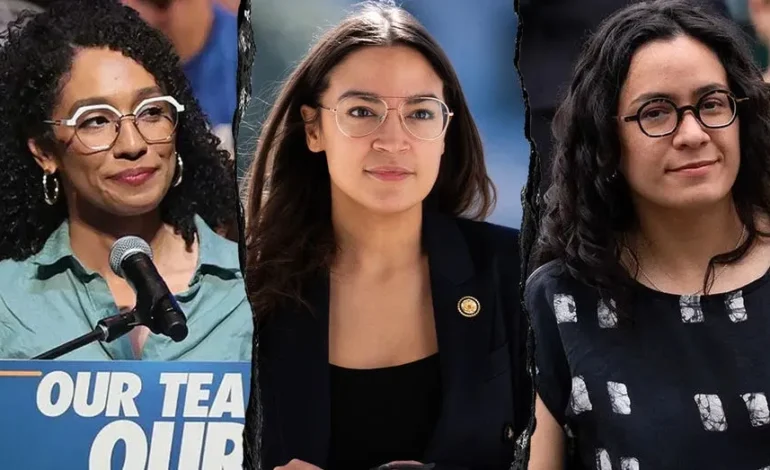

A noticeable strain is emerging within the Democratic Party as some establishment figures express frustration over the growing influence of its socialist wing. Representative Pramila Jayapal of Washington state has publicly criticized fellow Democrats, describing their reception of socialists within the party as “disrespectful.” She argued that certain comments dismiss the very voters who put these progressive lawmakers into office.
Jayapal’s remarks come at a time when socialist candidates are achieving notable successes in primary elections, sometimes unseating more traditional Democratic incumbents. This trend suggests an increasing acceptance of left-leaning ideologies within the party’s broader coalition.
Jayapal Defends Socialist Victories
As the chair emerita of the Congressional Progressive Caucus, Jayapal views these electoral outcomes as a clear signal that the American electorate is looking for more assertive leadership. She stated that many voters are “sick and tired of the old establishment politics” and are ready for a “bolder” approach.
Her comments also highlighted a perceived double standard in how the party treats its moderate and progressive wings. Jayapal questioned why a moderate victory is often hailed as a “new blueprint” for the party, while a progressive or Democratic socialist win is met with alarm, as if the “whole party’s falling to hell in a handbasket.”
Criticism of Establishment Figures
Jayapal specifically took issue with Pennsylvania Governor Josh Shapiro, a prominent Democrat, who had suggested that some Democratic socialists engage in “performative politics.” Jayapal countered that such a characterization is “insulting” and overlooks the reasons behind the success of these candidates. She posited that Democratic socialists and progressives are often successful because they resonate with voters who feel alienated by traditional politics, effectively “bringing voters back” in crucial races, even in competitive swing states.
The congresswoman emphasized the importance of understanding the “big tent” nature of the Democratic Party, suggesting that embracing a wider range of political viewpoints is essential for the party’s broader appeal and electoral success. She believes that dismissing these candidates or their supporters is counterproductive and fails to address the underlying reasons for voter engagement with the progressive movement.
Broader Context of Intra-Party Debate
The internal discussions reflect a larger debate about the future direction of the Democratic Party. As progressive and socialist candidates gain traction, particularly in urban centers and among younger voters, the party faces the challenge of unifying diverse ideological factions. While some see these shifts as a sign of necessary evolution and a response to voter demands for more significant change, others worry about alienating moderate voters and jeopardizing electoral gains in swing districts.
The victories of candidates endorsed by figures like New York City Mayor Zohran Mamdani, who saw his chosen candidates win Democratic primaries, illustrate the growing influence of this wing. These outcomes are often interpreted as a rejection of more centrist approaches and an embrace of policies advocated by the left flank of the party.
Jayapal’s advocacy for a more inclusive and respectful dialogue within the party aims to bridge these divides. By defending the legitimacy of socialist and progressive candidates and their supporters, she seeks to foster an environment where all wings of the party feel valued and understood. This approach, she argues, is not only crucial for internal party harmony but also for effectively connecting with a broad spectrum of voters who are seeking substantive policy changes and a departure from conventional political strategies.
The “Big Tent” Challenge
The concept of the Democratic Party as a “big tent” has long been a cornerstone of its identity, accommodating a wide array of political beliefs from centrists to democratic socialists. However, the increasing visibility and electoral success of the socialist wing have intensified scrutiny of this inclusivity. Critics within the party sometimes express concern that the more radical elements could alienate moderate voters necessary for winning general elections.
Conversely, proponents like Jayapal argue that the energy and engagement generated by progressive and socialist candidates are vital for mobilizing voters and addressing pressing national issues. They contend that ignoring or disrespecting these voices risks alienating a crucial segment of the Democratic base and overlooks the potential for these candidates to win in diverse electoral landscapes.
The ongoing debate underscores the dynamic nature of political parties and their constant effort to balance ideological purity with broad electoral appeal. As the Democratic Party navigates these internal tensions, the strategies employed to manage differing viewpoints and foster unity will likely shape its future trajectory and its ability to compete effectively in the political arena.