



Iran May Strike as US Tightens Sanctions, Analysts Warn
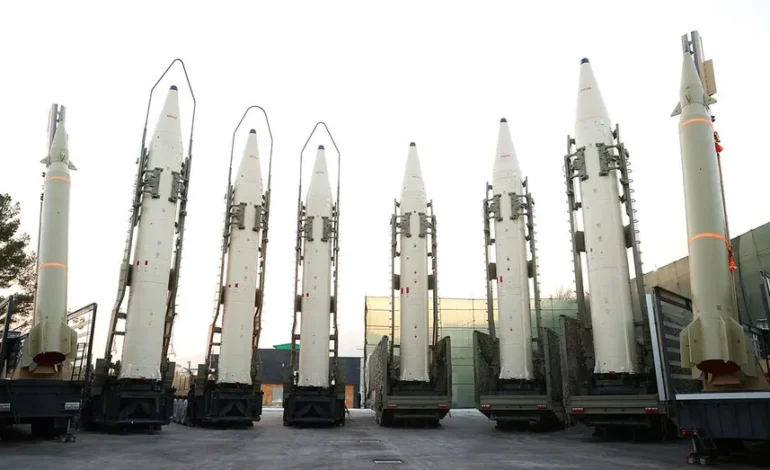

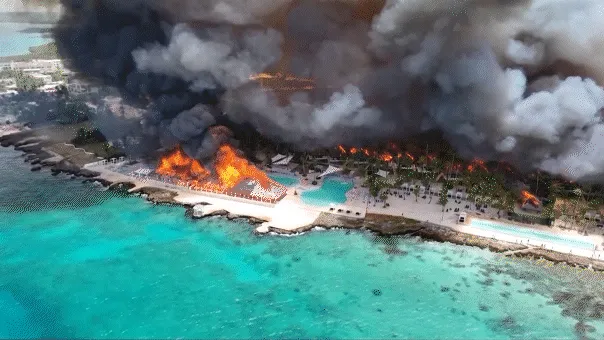
Iran could escalate its military actions as early as the autumn, potentially targeting key assets in response to intensifying U.S. economic pressure, according to national security analysts. This warning follows an incident in the Strait of Hormuz where two vessels were struck, though no injuries were reported and the situation was reportedly contained, according to the United Arab Emirates’ state-run WAM news agency. The UAE’s foreign ministry has condemned the attacks.
Economic Pressure and Potential Retaliation
The U.S. is reportedly preparing to implement stringent economic measures against Iran, with Treasury Secretary Scott Bessent stating that “measures like have never been seen in the history of economic isolation on a country” are forthcoming. This heightened economic containment strategy, analysts suggest, could provoke a forceful reaction from Tehran.
Behnam Ben Taleblu, a senior fellow at the Foundation for Defense of Democracies, explained that Iran might resort to military action, or “kinetic” responses, to counter the economic policies. “Come early fall, what we can expect is for them to kinetically push back against Trump’s economic policy,” Taleblu stated. He elaborated that if the administration continues to rely on economic pressure as a primary tool, Iran may feel compelled to use military means to escape what it perceives as economic containment, a tactic reminiscent of 2019.
Expanding Target List Amidst Sanctions
Analysts believe that Iran’s shrinking oil revenues and the U.S. naval presence could compel Tehran to broaden its range of potential targets across the region. “This means they would embrace the kinetic tool, and that’s how they would get out of the economic containment regime that the U.S. seems to be defaulting to want to put on them,” Taleblu noted. This could translate into an increase in attacks on shipping, U.S. bases, and infrastructure within the Persian Gulf. Taleblu suggested that Iran would likely develop a tiered list of targets, prioritizing those with immediate economic or strategic value, and considering potential U.S. responses.
Stalled Negotiations and Strategic Waterway Control
These warnings emerge against a backdrop of stalled negotiations between Washington and Tehran. Discussions regarding an extension of the U.S.-Iran ceasefire agreement have reportedly not taken place. Iran has maintained its stance that Washington should return to the previous pact and commit to a clear timeline for fulfilling its obligations. An interim memorandum of understanding, signed in June, had called for an immediate and permanent cessation of hostilities. However, this agreement reportedly dissolved after President Trump declared it “over” on July 7.
Under the terms of the expired framework, both parties had a 60-day window to negotiate a comprehensive agreement addressing critical security concerns, including Iran’s nuclear program. This negotiation period was set to expire on August 17, with control over the Strait of Hormuz remaining a significant point of contention.
Adding to the tension, Hossein Taeb, the new head of Iran’s Basij paramilitary force, asserted on Thursday that the Strait of Hormuz remains “under Iran’s control and management.” This statement directly contrasted with President Trump’s assertion from the previous day, claiming the U.S. held “total control” over the vital maritime route.
Iran’s Diplomatic and Military Maneuvers
Taleblu characterized Iran’s approach as employing “tried and true tactics,” suggesting a dual strategy of “a knife in the back and a handshake in the front” towards America’s traditional Gulf partners. He indicated that Iran’s actions, including military posturing and diplomatic efforts, might be an attempt to pressure the Trump administration back into the memorandum of understanding. “The regime definitely does not want to grant the Trump administration the optics of victory, and to that end, they’re quite keen to hold on to the Strait of Hormuz,” he added.
While President Trump has described the strategy of leveraging sanctions as a “low-key” approach, Taleblu emphasized that these economic tools can have significant impacts. He concluded by suggesting that past escalations, such as those seen in the summer of 2019, could foreshadow future events, implying that the current situation might be a prelude to further conflict.
The incident involving the two vessels in the Strait of Hormuz, while reportedly contained, highlights the volatile nature of the region and the potential for miscalculation. As the U.S. signals a more aggressive stance on economic sanctions, the possibility of Iran responding with military force remains a significant concern for regional stability and international maritime security.