
Hollywood’s Secret Conservative Club: A Haven from ‘Woke 1.0’ Censorship

As the cultural landscape shifts, and figures like Rep. Alexandria Ocasio-Cortez acknowledge the excesses of what she’s termed “Woke 1.0,” it’s a pertinent moment to recall the pervasive censorship that characterized that era. This climate of political correctness grew so stifling that it compelled conservative and independent voices within the entertainment industry to form a clandestine organization: Friends of Abe (FOA).
The Genesis of Friends of Abe
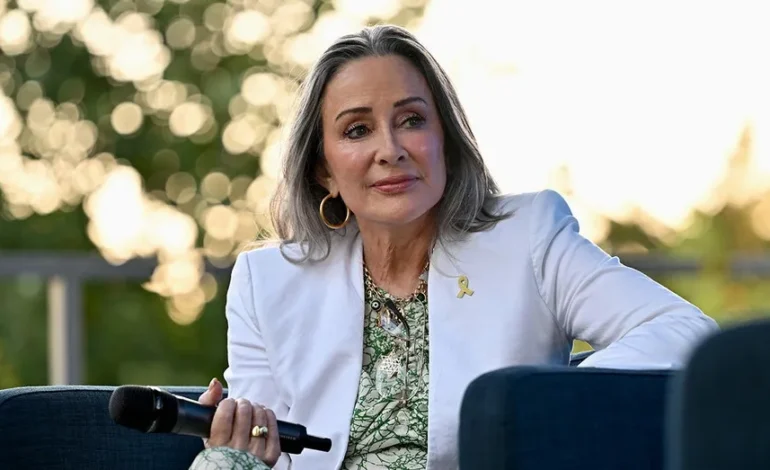
Actress Patricia Heaton, widely recognized for her role in ‘Everybody Loves Raymond,’ recently shed light on FOA during a podcast interview. She revealed that the group, named in honor of Abraham Lincoln, was established during the Obama administration. What began as a small cadre of industry insiders, including notable figures like Gary Sinise and Kelsey Grammer, gradually expanded into an organization numbering in the thousands. The author himself was part of the New York City chapter around 2012, describing it as a much-needed sanctuary within a New York arts scene that felt intensely progressive.
Heaton articulated the group’s core function: “You could ask someone if they are a friend of Abe, or FOA, and if they said yeah, then you know there was another conservative or independent, or someone who is not a Democrat, that you could talk to without feeling like you were going to get in trouble at your job.” This simple exchange offered a vital connection for individuals navigating a professional environment where expressing dissenting political views could carry significant risks.
The Perils of Conservative Expression in Entertainment
The risks associated with voicing conservative opinions in Hollywood and related creative fields over the past decade were substantial. The case of actress Gina Carano, who was reportedly dismissed from a Disney television series for a social media post suggesting that those with conservative viewpoints should not be ostracized, serves as a stark example. Within the New York theater community, where many FOA members were active, even questioning progressive orthodoxies on social issues or expressing dissent regarding political figures could lead to severe professional repercussions, akin to a “lifetime ban.”
The author recounted personal experiences of being perceived as an anomaly. Upon publicly identifying as conservative while hosting a regular segment at the Bowery Poetry Club, a venue known for its liberal audience, many friends and acquaintances initially assumed it was a performance or a joke, highlighting the rarity of openly conservative individuals in such spaces. For many in the arts, from actors to technical crew, a publicly known right-leaning stance could directly impact employment opportunities or lead to social exclusion from professional gatherings.
Kevin Sorbo, another actor, has characterized the alleged “blacklisting” of conservatives in Hollywood as akin to a “seventh grade mean girls culture,” underscoring the perceived immaturity and personal animosity that can permeate professional interactions based on political affiliation.
A Space for Free Discourse
The monthly gatherings of Friends of Abe provided an invaluable space for members to engage in open dialogue – a freedom that many had previously taken for granted before the rise of what is now widely discussed as “wokeness.” This ability to speak freely without fear of professional reprisal was a cornerstone of the FOA experience.
The author draws a connection between the perceived ideological homogeneity in Hollywood and broader societal trends. He questions whether the systematic exclusion of conservative viewpoints from entertainment narratives has contributed to a national discourse where, for instance, public figures might describe the American flag as a “complicated symbol.” The absence of conservative perspectives in writing rooms, with few exceptions like ‘South Park,’ meant that narratives defending founding principles, acknowledging progress in race relations, or offering alternative viewpoints on social issues were seldom explored.
While the camaraderie and support offered by FOA were significant for its members, its very existence underscored a profound intolerance for conservative ideas within the entertainment industry. This disconnect often left conservative Americans feeling alienated from the cultural narratives shaping their society.
Shifting Tides and Lingering Challenges
Patricia Heaton’s willingness to discuss Friends of Abe publicly today signals a noticeable thaw from the intensely censorious climate of recent years. An increasing number of celebrities appear more comfortable expressing conservative viewpoints and discussing their personal faith. However, the journey toward genuine ideological diversity in Hollywood is far from complete.
Despite the reduction in high-profile firings over social media posts, the entertainment industry remains overwhelmingly progressive, with estimates suggesting a 95% lean. This demographic reality continues to shape the content produced and disseminated to audiences worldwide. While the immediate threat of job loss for expressing certain views may have diminished, the underlying ideological landscape persists.
Though no longer actively involved in the industry, the author expresses hope that those who remain can now be more open about their conservative beliefs. The ultimate aspiration is for this influence to be reflected more broadly on screen and in cultural conversations. Until that day arrives, and even beyond, the sentiment of solidarity remains: “I will remain a proud friend of Abe.”