



Federal Judge Allows Border Wall Construction in Arizona Amid Tribal Opposition
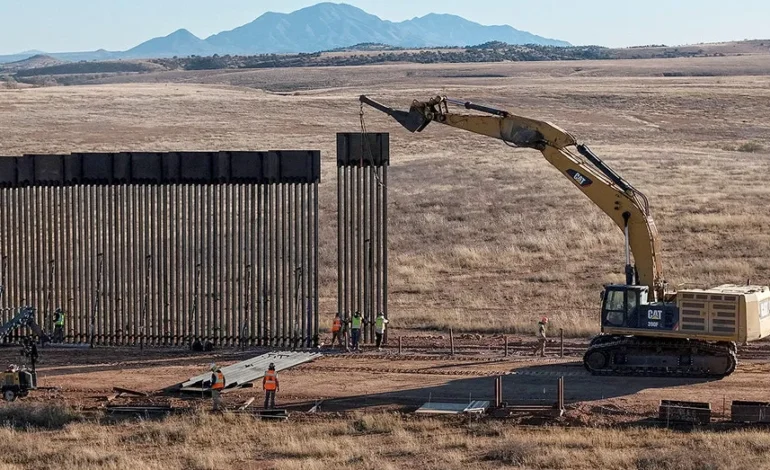

A federal judge has cleared the way for the construction of a border wall in Arizona, ruling against a legal challenge brought forth by the Tohono O’odham Nation. The Native American tribe had sought to halt the project, arguing that building the wall along their southern border with Mexico would constitute illegal trespassing on tribal lands and effectively diminish their reservation.
Legal Challenge and Tribal Concerns
The Tohono O’odham Nation, whose reservation spans approximately 62 miles along the U.S.-Mexico border, expressed significant opposition to the wall’s construction. Members of the tribe had taken proactive steps, including posting “no trespassing” signs, to deter federal workers from surveying the land for potential construction sites. The tribe’s stance was made clear on social media, where they stated that any individuals involved in construction activities related to the border wall would be informed of trespass laws and escorted off tribal land by law enforcement.
The Judge’s Ruling and Historical Precedent
U.S. District Judge Richard Leon based his decision on a federal proclamation issued in 1907 by President Theodore Roosevelt. This proclamation asserted federal control over the initial 60 feet of land along the international boundary, designating it for federal use. Judge Leon noted that this proclamation predated the official establishment of the Tohono O’odham Nation as a reservation in 1917.
The 1907 proclamation, according to the ruling, was enacted to safeguard against the smuggling of goods between the United States and Mexico. Judge Leon emphasized that given the significant national security and foreign policy implications associated with border wall projects, it was appropriate to defer to the government’s position in this matter.
Government’s Perspective and Border Security Claims
This legal victory for the federal government comes at a time when the current administration has highlighted its efforts in border security. Officials pointed to a period of 15 consecutive months with no reported border releases and asserted that daily apprehensions at the border have decreased significantly, reaching levels not seen in three decades. These figures were presented as evidence of the effectiveness of the administration’s border security agenda in restoring order and prioritizing public safety.
The Department of Homeland Security reiterated its commitment to enforcing immigration laws, securing the border, and ensuring the swift removal of individuals who enter the country illegally. The department credited strong leadership for what it described as the most secure border in the nation’s history.
Broader Context of Border Policy
The construction of a border wall has been a central and often contentious issue in U.S. immigration policy. Proponents argue that physical barriers are essential for controlling illegal immigration, drug trafficking, and other illicit activities. They often cite national security concerns and the need to maintain border integrity as primary justifications.
Conversely, opponents, including many Native American tribes with ancestral lands straddling the border, raise serious objections. These concerns often center on the violation of tribal sovereignty, the disruption of cultural sites and traditional lands, environmental impacts, and the symbolic implications of such a barrier. The Tohono O’odham Nation’s legal challenge underscored these deep-seated concerns about land rights and the federal government’s authority over reservation territories.
Future Implications
The judge’s decision effectively removes a significant legal hurdle for the federal government’s border wall construction plans in this specific area of Arizona. However, the broader debate surrounding border security, land rights, and the impact of such infrastructure on Native American communities and the environment is likely to continue. The ruling highlights the complex interplay between federal authority, national security objectives, and the rights and concerns of indigenous peoples whose lands are directly affected by these policies.
As construction proceeds, the focus will likely remain on the implementation of the project and its tangible effects on the region and its inhabitants. The legal precedent set by this case may also influence future disputes over border infrastructure and land use along the U.S.-Mexico border.