



GOP Divided Over Trump’s Iran Strategy: Hawks vs. ‘America First’

GOP Hawks Clash with ‘America First’ Allies on Iran Endgame
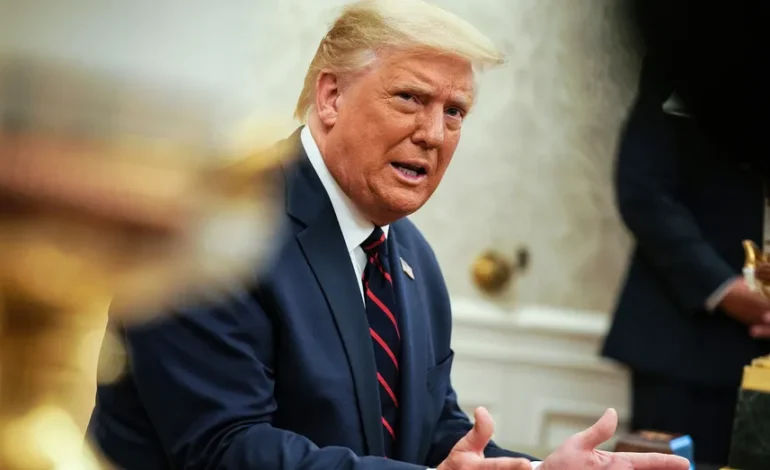
President Donald Trump’s decisive military actions against Iran appear to have unified Republicans. However, his subsequent efforts to finalize a peace accord are creating significant internal division within the party. As the specifics of a recently emerged memorandum of understanding come to light, traditional Republican hawks are expressing concern that the administration may have conceded too much. Conversely, Trump loyalists maintain that the president has achieved a monumental goal, effectively neutralizing Iran’s military capabilities without entangling the United States in another protracted conflict.
This disagreement extends beyond the immediate Iran situation; it is revealing a deepening rift within the Republican Party regarding the practical application of Trump’s “America First” foreign policy and the very definition of victory following military engagement.
Competing Visions of American Power
At the heart of this debate lie two distinct perspectives on American global influence. One faction believes that military successes should be leveraged to extract maximum concessions from adversaries and secure enduring strategic advantages. The opposing view posits that military power is a tool to neutralize immediate threats and conclude conflicts swiftly, thereby avoiding the quagmires seen in places like Iraq and Afghanistan. The agreement concerning Iran has inadvertently brought these competing philosophies into a rare and public collision.
This ideological divergence is already evident among some of the party’s most influential national security voices.
Criticism Mounts Over Iran Accord Concessions
Staunch Republican critics of the deal argue that Trump is relinquishing valuable leverage precisely when Iran is at its most vulnerable. Senator Bill Cassidy of Louisiana has vehemently criticized the agreement on social media, labeling it “the worst foreign policy blunder in decades.” Senator Roger Wicker of Mississippi, Chairman of the Senate Armed Services Committee, has also voiced concerns, suggesting the accord appears “out of step” with the objectives of the preceding military campaign. Additionally, Senator Ted Cruz of Texas has questioned the concessions offered to Tehran, while former United Nations Ambassador and former South Carolina Governor Nikki Haley has expressed disapproval of any proposals that could aid in Iran’s reconstruction.
Former Vice President Mike Pence has taken an even stronger stance, characterizing the agreement as a potential “lifeline” for the Iranian regime and warning that it “smacks of appeasement.”
Supporters Point to Military Successes
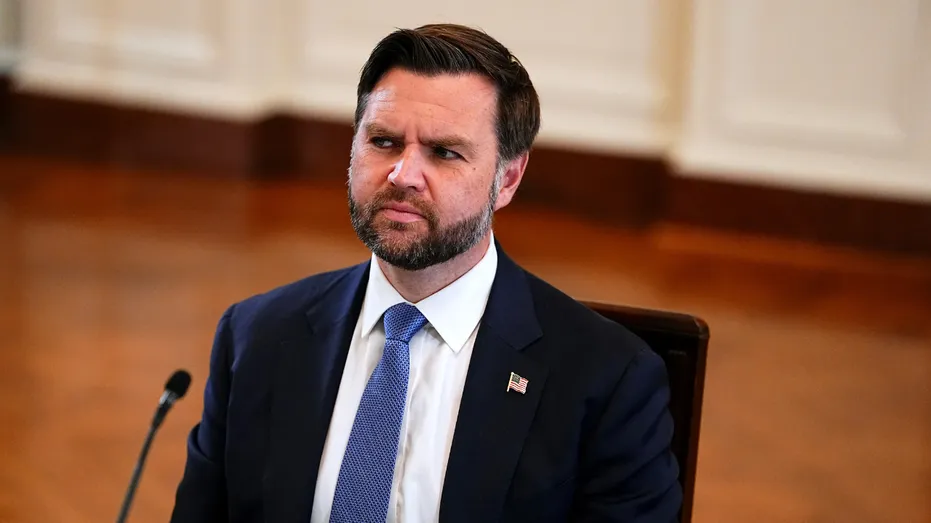
In contrast, allies of President Trump contend that critics are failing to acknowledge the substantial military campaign that paved the way for the agreement. Vice President JD Vance and other administration officials assert that the president successfully achieved his primary objectives following coordinated strikes by U.S. and allied forces on key Iranian military and nuclear installations. These operations, they argue, led to the elimination of senior commanders and inflicted significant damage on Tehran’s military infrastructure.
Supporters maintain that these actions crippled Iran’s capacity for power projection, re-established deterrence, and ultimately compelled the regime to negotiate without necessitating a large-scale deployment of American ground troops. They define victory as the achievement of U.S. objectives and the termination of conflict on favorable terms, rather than risking another prolonged war in the Middle East.
A Broader Foreign Policy Debate
The current clash underscores a foreign policy debate that has been quietly brewing within the Republican Party for years. While Republicans have largely coalesced around Trump’s use of military force against Iran, the disagreement over the subsequent steps reflects a deeper tension within the party. For traditional hawks, military victories are seen as opportunities to fundamentally reshape adversaries and secure lasting concessions. For many “America First” conservatives, the objective is more narrowly focused: neutralizing threats, avoiding nation-building endeavors, and keeping U.S. troops out of protracted engagements.
As lawmakers and conservative leaders continue to deliberate the merits of the memorandum of understanding, the ongoing dispute may ultimately prove to be less about the specifics of the Iran deal and more about the future trajectory of Republican foreign policy and the evolving meaning of victory in the Middle East.