
Mets Eyeing Francisco Lindor Trade Amidst Disastrous 2026 Season
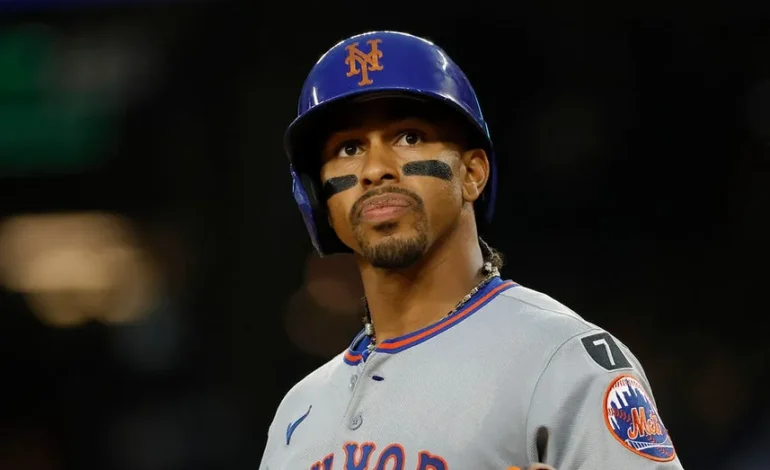

As the 2026 Major League Baseball season passes its midpoint, the New York Mets find themselves in a season that defies all predictions, a stark reminder of baseball’s inherent unpredictability. Despite being one of the sport’s wealthiest franchises, boasting billionaire owner Steve Cohen since 2020, the team’s ambitious project has faltered spectacularly. Cohen’s vision of a model organization, blending vast financial power with astute front-office leadership, has yet to yield the desired results. In fact, since the 2022 season, the Mets have shouldered the highest player payroll in baseball, exceeding $1.671 billion – a figure even surpassing the Los Angeles Dodgers.
A Pattern of High Spending, Low Returns
The team’s significant investments include a massive 10-year, $341 million contract extended to star shortstop Francisco Lindor before the 2022 season, and one of the highest average annual value deals ever awarded to pitcher Max Scherzer. In a move to inject proven success into the front office, Cohen brought in Dave Stearns from the Milwaukee Brewers late in the 2023 season. Stearns had a reputation for building the Brewers into consistent contenders, even with the financial constraints of a small market.
However, despite being the highest-spending team over the last five years, the Mets’ postseason resume is thin, featuring only two appearances. They were eliminated by the San Diego Padres in the 2022 wild card series and by the Los Angeles Dodgers in the 2024 NLCS. The 2023 season was particularly disappointing, with the team finishing 75-87, a staggering 29 games behind the division leader, despite their considerable star power and payroll.
Aggressive Offseason Overhaul Fails to Ignite
Following another playoff miss in 2025, despite acquiring Juan Soto on a record-breaking 15-year, $765 million contract, the Mets embarked on a radical overhaul for 2026. Stearns opted against maintaining a similar roster, instead trading away key players. Pete Alonso departed for the Baltimore Orioles, and Brandon Nimmo was sent to the Texas Rangers in exchange for Marcus Semien. The team also acquired prospects and players like Freddy Peralta, Devin Williams, Bo Bichette, Jorge Polanco, Luke Weaver, and Luis Robert Jr. in a series of moves aimed at retooling.
The results of this aggressive strategy have been dismal. Entering Tuesday, the Mets were vying with the Colorado Rockies for the worst record in the National League. They have been outscored by 60 runs on the season, languish at the bottom of the NL East, and trail the division-leading Atlanta Braves by 15 games. Their playoff aspirations, according to FanGraphs, have dwindled to a mere 2%. This dire situation, a $370 million disappointment, has led to speculation about another significant shake-up.
Report Suggests ‘Deadline Sale’ Imminent
A recent report from baseball writer Jon Heyman suggests that the Mets might be preparing for a substantial “deadline sale.” Heyman indicated on X (formerly Twitter) that the team is likely to make most players available soon, stating, “Time for Mets deadline sale to begin. Everyone but Ewing, Benge, McLean, Scott and Soto should be made available.”
Notably absent from Heyman’s list of untouchables are several high-profile players, including Bo Bichette, Luis Robert Jr., Freddy Peralta, Devin Williams, and, crucially, Francisco Lindor. The potential trade of any of these significant figures would represent a profound admission of failure for the team’s current strategic direction.
Assessing Trade Value in a Difficult Market
The question then becomes the market value of these players, especially considering their substantial contracts and recent performance. Bichette has struggled offensively this season and is committed to $84 million over the next two years, with a player option that seems likely to be exercised. Lindor, though sidelined for much of the year with an injury, has also posted below-average offensive numbers when healthy. Robert Jr. has similarly missed significant time and has not impressed when on the field.
However, in a market with few true sellers, the Mets might find willing partners if they are prepared to absorb a portion of these large salaries. This could provide a competitive edge for a team looking to bolster its roster. While Cohen has previously expressed a desire to keep Lindor, the team’s persistent lack of success despite massive spending might force a reevaluation, potentially leading to a complete teardown.
Lindor’s Future and the Mets’ Ongoing Search for Success
At 32, Francisco Lindor could still command a decent return, though his considerable contract would likely temper expectations for what the Mets could receive. Similarly, Bichette’s substantial salary and player options present challenges for potential suitors. Nevertheless, the possibility of these players regaining their All-Star form offers a tantalizing prospect for any team willing to take on the financial commitment.
It’s a difficult turn of events for a franchise that aimed to emulate the Los Angeles Dodgers’ model of high salaries combined with organizational excellence. Instead, the 2026 Mets appear headed for another postseason spent watching from the sidelines, still searching for their first division title since 2015. The narrative serves as a potent reminder that even immense financial resources cannot guarantee on-field success in baseball.