
Mom of Ex-SJSU Star Leads Rally for Athlete’s Stance on Women’s Sports
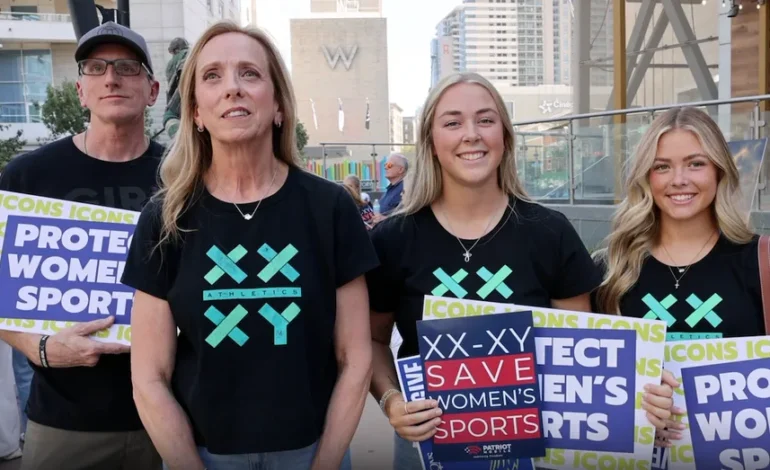

Kim Slusser, mother of former San Jose State University volleyball player Brooke Slusser, was a prominent figure at the eighth rally supporting professional athlete Sophie Cunningham in Dallas on Wednesday. The event, organized in part by the Texas-based Christian advocacy group Texas Values, took place outside the American Airlines Center just before a Dallas Wings game against Cunningham’s team, the Indiana Fever.
A Mother’s Story and a Call for Fairness
At the rally, Kim Slusser delivered a speech recounting her daughter Brooke’s experience at San Jose State. She described how Brooke had to share a volleyball team and living quarters with a transgender athlete without prior knowledge of the individual’s biological sex. This situation, Slusser explained, became a catalyst for her family’s involvement in a national conversation about fairness in women’s sports.
The Slusser family gained national attention in the fall of 2024 when Brooke joined a lawsuit filed by Riley Gaines against the NCAA, citing her experiences at SJSU. Kim Slusser spoke about the sudden and intense public scrutiny her family faced.
“Almost overnight Brooke was launched into a media frenzy, there were reporters, cameras, social media, and suddenly, people all over the world were celebrating, and in some cases, smearing our youngest daughter. It was overwhelming at times, and nothing our family was ever prepared for,” Kim shared during her speech.
She emphasized the significance of supporting Sophie Cunningham, particularly in her home state of Texas. “And that’s why it means so much to our family to be here in our home state Texas, supporting Sophie Cunningham. Sophie chose to use her voice to stand up for women and girls in sports. And what she’s standing for is really very simple. Girls deserve a fair chance to compete. They deserve the opportunities created for female athletes. They deserve privacy in their locker rooms and in their apartments.”
Brooke Slusser’s Experience and the Growing Movement
Speaking with reporters after the rally, Kim Slusser reflected on the profound impact Brooke’s time at San Jose State University had on their family. “My daughter Brooke went through a lot at San Jose State University… it’s one of the hardest things our family has ever been through,” she stated. She expressed pride in Cunningham for speaking out and noted how the athlete’s actions are contributing to a growing movement.
“So to see a woman speak up, and now it’s becoming a movement… People are starting to come around and have a little more common sense thanks to Sophie because she’s one of the few professional athletes that has come out and spoken up,” Slusser added. While she was rooting for Cunningham in the game against the Wings, Slusser indicated a willingness to support the WNBA as a whole if the league embraces Cunningham’s perspective.
“I would prefer they acknowledge what the W means in the WNBA. I know they had a meeting last week and couldn’t quite figure out what the W stood for so they’re going to have to reconvene,” she remarked, alluding to the league’s ongoing discussions about inclusivity and its core mission.
Slusser urged a shift in focus: “I think focus on sport and focus on the women and focus on the many, and not on the ideology that they’re focusing on.”
‘Sophie Night’ Rallies and WNBA Dynamics
The rallies in support of Sophie Cunningham, dubbed “Sophie Night,” have become a notable feature of the WNBA season. Beginning in Seattle in July, these demonstrations have evolved from isolated events into a significant narrative thread, highlighting ideological divisions within the league.
The movement surrounding Cunningham has brought increased scrutiny to the WNBA. Incidents have included the suspension of a co-owner for confronting young supporters of Cunningham, coaches facing questions about their stances on women’s sports, and former NBA players declaring for the WNBA draft. The league also issued a statement after fans wearing “XX-XY Athletics” shirts were asked to cover them at a game.
Despite the WNBA and its players’ union consistently defending their inclusive policies, the sustained visibility and vocal support for Cunningham’s position have introduced a polarizing element. This has led to defensive public relations efforts from league executives, dominated sports media discussions, and fueled intense fan debates, creating challenges for team and league management.
A Broader Debate on Women’s Sports
The ongoing protests have effectively turned the current WNBA season into a prominent platform for the wider national discussion on the future of women’s sports. As the regular season progresses toward the playoffs, the narrative continues to be heavily influenced by events and discussions occurring outside the arenas.
For the WNBA, navigating the remainder of the season involves managing not only the competitive basketball games but also the persistent and divisive movement that has become closely associated with the league. This dynamic presents a complex challenge for league officials seeking to balance competitive integrity, fan engagement, and broader societal debates.