


Pentagon Launches Task Force to Prosecute Leakers to Media
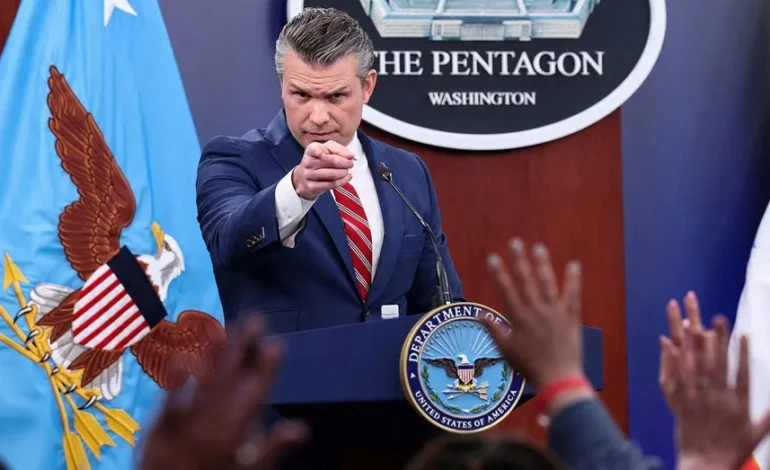

Pentagon chief Pete Hegseth announced Monday the formation of a joint task force with the Department of Justice (DOJ) aimed at identifying and prosecuting government officials responsible for leaking sensitive information to journalists. This new initiative grants the Pentagon’s Office of General Counsel (OGC) the authority to request and obtain all necessary information, support, and records from across the department to aid in investigations of media leaks.
Combating Information Security Risks
In a video message shared on the platform X, Hegseth explained the urgency behind this measure. “To combat the dangers that leaks pose, effectively immediately, I have delegated tasking authority to the war department’s office of general counsel, empowering OGC to request and receive all information, records and support across the department concerning media leak investigations,” he stated. He emphasized that leaked information can have severe consequences, potentially endangering lives. “Leaked information risks lives, these new tools and processes will greatly assist us in protecting our joint force,” Hegseth added.
The Pentagon chief underscored the gravity of mishandling classified material, asserting, “The security of our nation cannot be a bargaining chip for those who seek momentary headlines, access to confidential and secret information is a sacred trust, and those who betray that trust will be met with the full force of the law.” Hegseth also expressed gratitude for the collaboration with Acting U.S. Attorney General Todd Blanche, noting a strengthened partnership between their departments.
Context: Recent Subpoenas and Press Freedom Concerns
This announcement arrives shortly after the DOJ issued subpoenas to four reporters from The New York Times. The subpoenas sought to compel their testimony before a federal grand jury concerning a report detailing security concerns related to a plane gifted to former President Donald Trump by Qatar. The aircraft was used by Trump for travel to a recent NATO summit. The move drew significant criticism from The New York Times, numerous other news organizations, and press freedom advocates, who viewed it as an attempt to intimidate journalists engaged in legitimate reporting on government activities.
David McCraw, an attorney representing The New York Times, issued a strong statement condemning the subpoenas. “The appearance of federal law enforcement agents on the doorstep of news reporters should shock the conscience of any American who believes in the Constitution and the press freedom it protects,” McCraw said. He defended the role of journalists, stating, “Our journalists report the facts and advance the American public’s right to know how their government is operating and their taxpayer dollars are being used.” McCraw characterized the action as “a brazen act” intended to “prevent the public from knowing what is happening in their country by intimidating journalists from doing their jobs.”
Hegseth’s Stance on Leaks and Reporter Access
Since assuming leadership of the Pentagon last year, Secretary Hegseth has made efforts to curb leaks to the media. Previously, the department initiated investigations into alleged leakers of classified information and considered using polygraphs to identify them. Hegseth also attempted to implement stricter rules for reporters covering the Pentagon. This included requiring them to sign a pledge against soliciting unauthorized material, even if unclassified.
Many Pentagon reporters protested these new restrictions by returning their press credentials rather than agreeing to the terms. The policy faced legal challenges, and a judge recently issued a preliminary injunction. The court ruled that the Pentagon’s requirement for journalists to be constantly accompanied by an official chaperone violated the First Amendment, a decision stemming from a lawsuit brought by The New York Times.
Implications for National Security and Journalism
The establishment of this joint task force signals a heightened focus on prosecuting individuals within the government who share classified or sensitive information with the press. Proponents argue that such measures are essential for safeguarding national security and preventing potential harm to personnel and operations. Critics, however, express concern that these efforts could chill legitimate investigative journalism and undermine the public’s right to information about government actions.
The collaboration between the Pentagon and the DOJ highlights a significant legal and ethical tension between the government’s need to protect classified information and the press’s role in holding power accountable. The effectiveness and scope of this new task force, along with its impact on the relationship between government sources and journalists, will likely be closely watched by both policymakers and the public.